
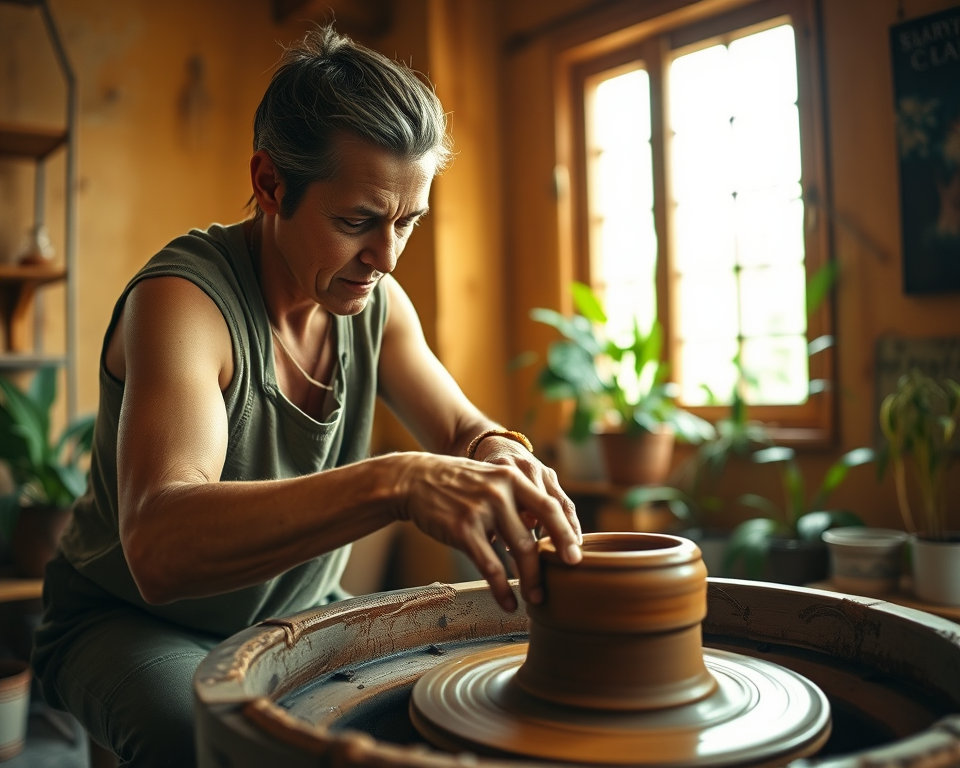
Getting your hands dirty with clay is a magical experience, isn’t it? As you spin that lump of earth beneath your fingers on a pottery wheel, something incredible happens—you’re not just creating art; you’re connecting with one of humanity’s oldest crafts. If you’re itching to learn about pottery wheels, you’re in the right place. Let’s break it all down together.
Table of Contents
- 1 Key Takeaways
- 2 Understanding the Pottery Wheel: Basics and Components
- 3 Setting Up Your Pottery Wheel: Step-by-Step Guide
- 4 Pottery Techniques: Getting Started
- 5 Troubleshooting Common Issues with Pottery Wheels
- 6 Historical Context and Evolution of Pottery Wheels
- 7 Tips for Beginners: Making the Most of Your Pottery Experience
- 8 Frequently Asked Questions
- 8.1 What are some common types of pottery wheels and their features?
- 8.2 How do I choose the right pottery wheel for my skill level?
- 8.3 What are bats, and why are they important for pottery wheels?
- 8.4 How can I maintain my pottery wheel for long-term use?
- 8.5 Are there specific techniques for centering clay on a pottery wheel?
- 8.6 What are some troubleshooting tips for pottery wheel performance issues?
- 8.7 How can I advance my pottery techniques after mastering the basics?
- 8.8 What should I know about the history and evolution of pottery wheels?
- 8.9 How can I connect with local pottery communities or classes?
- 8.10 What are some common mistakes beginners make when starting pottery?
Key Takeaways
- Understanding the key components of a pottery wheel is essential for any potter, beginner or pro.
- Setting up your pottery wheel properly can drastically improve your crafting experience.
- Learning different throwing techniques is a game-changer for successfully shaping your clay.
- Troubleshooting common wheel issues can save you time and frustration during your creative flow.
- Appreciating the historical context of pottery can deepen your connection to the craft.
Understanding the Pottery Wheel: Basics and Components
Alright, let’s kick things off with the nitty-gritty of a pottery wheel. A pottery wheel might look simple, but it’s a well-designed machine with several components working in harmony. Whether you’re eyeing a Shimpo VL-Whisper or a Bailey VIP Series, the basics remain the same.
Main Components of a Pottery Wheel
So, what’s under the hood of this magical machine? Here are the primary parts of a pottery wheel you’ll want to get familiar with:
Wheel Head: This is where you place your clay. It usually comes in two shapes—round and square. A 14-inch round head is pretty standard and gives you ample space to work.
Foot Pedal: Think of this as your speed control. Press lightly for slower spins; press harder for high-speed whirling. It’s all about balance, and getting a hang of this will make it much easier to center your clay.
Motor: This is the powerhouse. Entry-level models, like the Speedball Artista, come with motors that provide reliable torque. If you’re serious about pottery, consider the more robust motors found in models like the Brent CXC, which offers variable speed options.
Bat System: This nifty addition helps you switch pots without hassle. It attaches to the wheel head and lets you lift your work off without distorting it. Brands often sell pre-made bats, while some potters create their own.
Let’s break down how these components work together to create that beautiful spinning action.
How a Pottery Wheel Operates
When you kick on the motor, the wheel head spins, and it’s your job to guide the clay into shape. But how exactly does that work?
Pottery wheels can be either electric or manual. Electric wheels—like the very popular Brent A—rely on a motor that provides steady, controllable speed. This is ideal for beginners who want to focus on technique rather than the mechanics of the wheel itself. *Manual wheels, often made from a sturdy clay body, may appeal to those who appreciate the traditional approach of the craft.
Have you ever heard of “throwing speed”? That’s what we call how fast your wheel spins! Starting slow while you shape and prepare the clay means better control, while a speedy rotation can help create those complex forms.
See, the mechanics aren’t just about the parts; they’re about how you feel while using them. Getting that feel right is absolutely crucial to mastering your craft.
Setting Up Your Pottery Wheel: Step-by-Step Guide
Now that you’ve met your wheel, let’s talk setup. A well-set-up pottery wheel can change your entire experience. I can’t tell you how many times I’ve been frustrated due to a wobbly surface!
Step-by-Step Setup Instructions
Choose Your Workspace Wisely: You want a flat surface with enough space around for your tools and materials. Try to avoid anything that might vibrate or move easily.
Level Your Wheel: Using a bubble level, you want to make sure your wheel is perfectly even. Uneven surfaces can lead to all sorts of problems when you’re working with clay.
Position the Wheel Head: Attach the wheel head, ensuring it fits snugly onto the motor shaft. Most wheel heads have notches for an easy fit.
Adjust Foot Pedal: Make sure it’s within reach but comfortable. You’ll want to transition between speeds without straining your foot.
Prepare Your Bat System: If you’re using a bat system, pop it on now. Make sure it’s locked securely, or you might find your pieces flying off during shaping!
Having these elements firmly in place will set you up for success. Trust me, one little mishap at this step can cost you time and clay.
Pottery Techniques: Getting Started
Now we’re talking! You’ve got your wheel set up and ready to roll; it’s time to create! This is where we delve into throwing techniques—the heart and soul of pottery.
Throwing Techniques for Beginners
As a newbie, you’re in for a treat. Here are some basics:
Centering the Clay: This is the first step in throwing. You’ll want to make sure that the clay is centered properly before you even think about shaping it. Start with a ball of clay, and as you press and push against it, it should start to spin evenly.
Pulling Techniques: This is where the magic happens! Using your hands to pull the clay upwards allows you to create the forms you want. It might feel a little clumsy at first, but keep at it.
Making Basic Forms: Start with simple shapes like bowls and cylinders. As you get comfortable, you can work your way into more complex pieces. Remember, practice makes perfect!
Here’s a quick table breaking down common throwing techniques:
| Technique | Description | Key Tips |
|---|---|---|
| Centering | Ensuring clay is balanced on the wheel | Use pressure from both hands |
| Pulling | Lifting clay upward and outward | Keep your hands wet |
| Shaping | Molding the clay into desired form | Focus on steady, even pressure |
It’s all about finding your rhythm! The more you throw, the more you’ll learn what works for you.
Troubleshooting Common Issues with Pottery Wheels
Ok, let’s get real. No one’s a pottery pro right off the bat. There’ll be hiccups along the way. But that’s okay!
Common Problems and Solutions
Clay Sticking to the Wheel: This can happen if the wheel head isn’t clean or if there’s too much moisture on your clay. Keep a spray bottle handy to mist the clay, and don’t forget to clean your wheel after each session.
Uneven Spinning: If you center your clay properly and still have this issue, it’s likely a motor problem. Check that the wheel head is securely attached to the motor and not wobbling.
Foot Pedal Issues: If the pedal feels unresponsive or sticks, check the connections. It might be time for some maintenance—or a call to customer service if it’s a brand new wheel!
The world of pottery wheels isn’t just about craft; it’s also about overcoming challenges and learning from mistakes.
Historical Context and Evolution of Pottery Wheels
Now that we’ve tackled the mechanics, let’s step back and appreciate where this craft comes from. Understanding the history makes every pot you create feel even more significant.
The Role of Pottery Wheels in Craft
Pottery has been part of human creativity for thousands of years. These wheels evolved from simple foot-operated models used by ancient civilizations to the high-tech electric wheels we have today.
Think about it—pottery has cultural significance around the globe. From the intricate designs of ancient Chinese porcelain to the rustic charm of traditional Native American pottery, each piece tells a story. Being part of that legacy is deeply fulfilling.
“Every time I sit at the wheel, I think about those before me who have shaped this craft. It connects me to a beautiful tradition that transcends time.”
As you throw your clay, remember: you’re embracing a technique that has evolved, influenced by culture, technology, and artistry.
Tips for Beginners: Making the Most of Your Pottery Experience
Feeling a little overwhelmed with all this new information? Don’t worry, I’m right here with you! Let’s take a step back and talk about how to make your pottery journey enjoyable.
Overcoming Beginner Frustrations
As a newbie, you might feel like you’re swimming with the sharks, but you’re not alone. Here’s how to keep those frustrations at bay:
Manage Your Expectations: Your first few pieces might not turn out as expected, and that’s perfectly fine. Each attempt is one step closer to mastering your craft.
Join a Pottery Community: It helps when you’re surrounded by fellow potters. Whether it’s an online group or local workshops, learning from others can make all the difference.
Take Breaks: When things get tough, don’t hesitate to step away. Sometimes a little distance will bring fresh ideas and renewed energy.
Pottery isn’t just a hobby; it’s a way to express yourself. Embrace the journey, imperfections and all.
Encouragement and Resources for Aspiring Potters
If you’re ready to invest in this craft, there’s no shortage of resources. Here are a few that I genuinely recommend:
Pottery Classes: Local studios often offer classes tailored for beginners. Check out options near you or even consider virtual classes for flexibility.
Online Tutorials: YouTube has a treasure trove of pottery tutorials that cover everything from basic techniques to advanced glazing.
Pottery Books: Books such as “The Complete Guide to Pottery” by John Doe can provide deeper insights into techniques and approaches.
Finding your community and resources is key. You’ll be amazed at how much support is available when you reach out!
Frequently Asked Questions
What are some common types of pottery wheels and their features?
There are two main types of pottery wheels: electric and manual. Electric wheels use an electric motor for smooth and consistent rotation, making them ideal for beginners. Manual wheels, driven by foot power, offer a hands-on experience and can enhance control. Each type has unique features, so choose based on your preferred style and needs.
How do I choose the right pottery wheel for my skill level?
For beginners, an electric pottery wheel is generally recommended because it simplifies the throwing process and lets you focus on technique. More experienced potters may prefer a manual wheel for enhanced control and traditional feel. Consider your budget, space, and the type of pottery you want to create when selecting a wheel.
What are bats, and why are they important for pottery wheels?
Bats are flat disks attached to the pottery wheel head for easy removal of pottery pieces. They prevent the need to move items directly from the wheel to a drying area. Using bats can help maintain the shape of your pottery and allows for easier handling once the piece is finished.
How can I maintain my pottery wheel for long-term use?
Regular maintenance includes cleaning the wheel head after each use, checking for any loose parts, and lubricating moving components as needed. It’s also essential to ensure the foot pedal is properly calibrated and free of debris to maintain responsive control during use.
Are there specific techniques for centering clay on a pottery wheel?
Yes! Centering clay involves applying even pressure while the wheel spins, gradually pushing the clay into a centered mass. Utilize your body weight and hands to control the action. Practicing this skill is essential for successful throwing, so don’t hesitate to spend time refining your technique.
What are some troubleshooting tips for pottery wheel performance issues?
If your pottery wheel isn’t spinning evenly, check for debris in the motor or wheel head. For foot pedal issues, ensure connections are secure and free from damage. Additionally, if clay is sticking to the wheel, consider dusting the wheel with water or using a bat for separation.
How can I advance my pottery techniques after mastering the basics?
Explore advanced techniques like altering, carving, and glazing to expand your skills. Joining pottery workshops, attending classes, or participating in online tutorials can provide valuable guidance. Experimenting with various clays and tools will also help you develop your unique style and techniques.
What should I know about the history and evolution of pottery wheels?
The pottery wheel has evolved from simple hand-driven systems used in ancient cultures to modern electric models. Understanding historical context enriches your appreciation for this craft. Research ancient pottery techniques to inspire your work and discover traditional methods still relevant today.
How can I connect with local pottery communities or classes?
Look for community colleges, art centers, or studios that offer pottery classes. Online platforms and social media groups can also help you find local pottery enthusiasts and workshops, providing opportunities for mentorship and collaboration with other potters.
What are some common mistakes beginners make when starting pottery?
Beginners often encounter issues like improper clay consistency, rushing the centering process, or misjudging drying times. Take your time and practice patience; developing a feel for the clay and the wheel takes practice. Don’t hesitate to seek feedback from instructors to improve your skills.
