
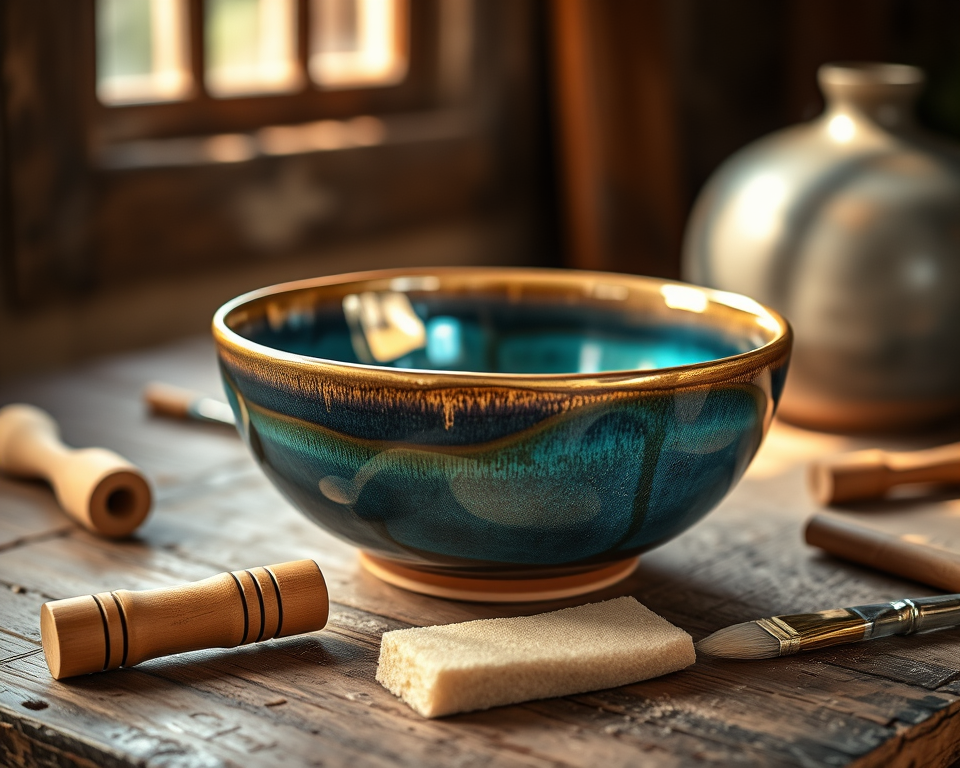
Pottery has a magical charm, doesn’t it? From molding a lump of clay into a beautiful bowl to crafting intricate sculptures, there’s something deeply satisfying about creating with your hands. But as every aspiring potter knows, getting your work from the wheel to your studio shelf can be a bumpy road, especially when it comes to firing your creations. That’s where the right kiln comes into play! Buckle up, because we’re about to embark on an exciting journey into the world of pottery kilns.
Table of Contents
- 1 Key Takeaways
- 2 Understanding Pottery Kilns
- 3 Types of Pottery Kilns
- 4 Considerations for Purchasing a Pottery Kiln
- 5 Operating and Maintaining Your Pottery Kiln
- 6 Enhancing Your Pottery Experience
- 7 Frequently Asked Questions
- 7.1 What is the difference between bisque firing and glaze firing in pottery?
- 7.2 How do I determine the right size kiln for my pottery needs?
- 7.3 Are there specific maintenance routines recommended for pottery kilns?
- 7.4 What safety gear is essential when operating a pottery kiln?
- 7.5 Can I use any type of clay in any kiln?
- 7.6 What are the environmental considerations when using a pottery kiln?
- 7.7 How do I troubleshoot uneven firing in my kiln?
- 7.8 What are the benefits of joining a pottery community?
- 7.9 What factors influence the price of pottery kilns?
- 7.10 Is it possible to fire pottery pieces with different firing temperatures in the same kiln?
Key Takeaways
- Kiln Selection: Choosing the right kiln is crucial for ensuring your pottery reflects your creative vision. Electric kilns are user-friendly for beginners, while gas kilns offer versatility.
- Safety Matters: Always prioritize safety—understand your kiln’s requirements for proper ventilation and protective gear.
- Maintenance is Key: Regular upkeep will prolong your kiln’s life and ensure it performs optimally, leading to the best firing results.
- Community Insights: Engaging with fellow potters can provide invaluable tips and guide you toward the best kiln for your needs.
- Explore Specialty Options: Don’t overlook specialty kilns if you’re looking to experiment with unique firing methods like Raku or salt firing.
Understanding Pottery Kilns
Let’s kick things off with the basics. What exactly is a pottery kiln? Well, think of it as a furnace specifically designed for firing ceramics. It applies intense heat to your clay work, transforming it into a durable piece of art. The ceramic firing process is essential; without it, you’d just be left with lumped clay that will never hold its shape.
What is the Purpose of a Pottery Kiln?
When I first started, I had no clue why a kiln was so vital. I thought, “Can’t I just let it air dry?” Well, while air-drying might work for some small projects, a kiln’s purpose is all about achieving that strong, finished product.
A kiln not only dries your pottery but also hardens it. It completes the chemical process that occurs in clay when subjected to high temperatures. This “firing process” is key in pottery production, as it creates the stunning glazes that make your work shine!
“A kiln isn’t just a tool; it’s an essential partner in your creative journey. It’s where the magic happens!”
How Do Pottery Kilns Work?
Great question! At their core, kilns work by heating up clay to a specific temperature based on the type of clay and glaze you’re using. Most pottery is fired twice: once for bisque firing (to harden the clay) and once for glaze firing (to create that shiny finish).
Electric kilns use heating elements to achieve high temperatures. When you set it up properly, the heating elements evenly distribute heat, leading to a smoother firing process. On the flip side, gas kilns provide more control over the atmosphere inside, allowing for richer color variations.
Types of Pottery Kilns
With so many choices out there, how do you pick the right type for your crafting adventure? Let’s break down the main types of pottery kilns and their features.
Electric vs. Gas Kilns: Which is Right for You?
If you’re just stepping into the pottery scene, electric kilns are your best pals. They’re user-friendly, easy to operate, and often come with pre-set programs that control firing schedules. For instance, the Skutt KM-1027 Electric Kiln is a popular choice for beginners, priced around $1,299. It has a spacious interior, accommodates larger items, and has great reviews for ease of use.
On the other hand, gas kilns tend to be favored by artists looking for versatility. My friend uses the L&L Gas Kiln and swears by its ability to create unique effects. However, keep in mind that gas kilns need extra setup and ongoing maintenance, making them a more complex choice.
| Feature | Electric Kilns | Gas Kilns |
|---|---|---|
| Price Range | $600 – $3,000 | $1,500 – $5,000 |
| Temperature Control | Programmable and consistent | Manually adjustable |
| Firing Atmosphere | Oxidation | Reduction and oxidation options |
| Ease of Use | Beginner-friendly | Requires more skill and knowledge |
Specialty Kilns: An Overview
Okay, let’s get a little more adventurous. Specialty kilns offer unique firing techniques that can elevate your art. Raku kilns, for example, allow for rapid heating, creating those stunning crackled glazes that we all love. If you want to get funky, the Paragon Raku Kiln is a favorite among advanced potters, usually costing around $800.
Then there’s salt glazing, which involves throwing salt into the kiln during firing to create a texture that’s just wow. And let’s not forget about pit firing—an ancient technique that connects you with traditions of the past.
Considerations for Purchasing a Pottery Kiln
Alright, you’ve got a handle on the types of kilns. But before you rush into buying one, let’s think about a few important considerations.
What to Look for in a Beginner’s Kiln
- Budget: Start by figuring out what you’re willing to spend. There are plenty of budget-friendly options that don’t skimp on quality. The Speedball Artista Kiln is a good pick, priced around $499, and it’s perfect for beginners.
- User-Friendliness: You’ll want a kiln that’s easy to operate. Look for features like digital controls and clear instructions.
- Safety Features: Safety should never be overlooked! Ensure it has proper ventilation systems and a reliable automatic shutoff feature.
Key Factors in Kiln Selection
Let’s chat about some additional factors to think about before you whip out that credit card.
- Space Requirements: How much room do you have? Kilns come in various sizes, so you’ll need to make space if you’re planning on installing one at your home.
- Temperature Range: Different types of clay and glazing require different temperatures. Check the specifications to ensure your kiln can handle it all.
- Community Insights: Connecting with local pottery communities can be tremendously helpful. Often, they’ll have firsthand experience with different kiln models and their quirks.
Operating and Maintaining Your Pottery Kiln
You’ve got your kiln set up—what’s next? It’s crucial to know how to properly operate and maintain your new pottery partner.
Essential Safety Tips for Using a Kiln
You should never underestimate the power of safety when it comes to kilns. Whether it’s preventive measures or using the right gear, here’s a quick checklist:
- Always wear gloves and protective gear when handling the kiln—after all, it can get super hot!
- Make sure your workspace is well-ventilated to avoid any harmful fumes during firing.
- Familiarize yourself with emergency measures—because we all know accidents happen.
“Safety isn’t just a suggestion; it’s a way of ensuring that you can keep creating for years to come.”
Common Issues and Troubleshooting
Even the best kilns have their quirks. One of my biggest frustrations early on was dealing with uneven firing. It’s important to monitor temperature readings regularly and adjust as necessary.
Some common troubleshooting tips include:
- Temperature fluctuations: If you notice any weird temperature readings, check your thermocouple—could be a simple fix!
- Cracking glaze: This might be due to temperature shock; make sure to cool your pieces gradually.
- Slumping pottery: Ensure that each piece has adequate support during firing, especially if it’s a complex shape.
Enhancing Your Pottery Experience
Now that you’ve got all the technical stuff down, let’s talk about ways to tap into the community and enhance your pottery journey.
Engaging with Pottery Communities
Never underestimate the power of connecting with like-minded individuals. Online pottery forums and local clubs can be goldmines for information. You’ll find people willing to share their experiences with different kilns, firing techniques, and maybe even recommend classes!
- Online Forums: Platforms like PotteryHeads offer great discussions and advice from fellow potters.
- Local Workshops: Check out your local art studios or pottery shops—they often hold workshops where you can directly engage with experts.
Workshops and Further Learning
Whether you’re just starting out or looking to refine your skills, pottery workshops can be transformative. They not only teach you how to handle your kiln but also introduce you to advanced techniques and creative expressions. Get involved in workshops that offer insights into specialized kiln firing methods, or maybe try a class that blends pottery with different art forms.
I once attended a workshop on Raku pottery, and it opened my eyes to a whole new world of possibilities in my craft! Beyond just firing techniques, you’ll find camaraderie among fellow artists eager to learn and share.
With the right information and support, the world of pottery and kilns can not only be navigated but celebrated. I can tell you, there’s nothing quite like pulling a beautifully fired piece from your kiln and feeling that rush of creative success. Embrace the journey, because every step—from understanding kilns to engaging with fellow potters—is part of what makes creating art in clay so fulfilling.
Frequently Asked Questions
What is the difference between bisque firing and glaze firing in pottery?
Bisque firing is the initial firing of pottery to harden the clay and remove moisture, making it less fragile. Glaze firing follows, where a layer of glaze is applied and then fired at a higher temperature, allowing for a glassy finish and color. Understanding both processes is essential for successful pottery.
How do I determine the right size kiln for my pottery needs?
The size of the kiln should reflect your typical workload. For beginners, a smaller kiln is often sufficient for limited projects. If you produce larger pieces or more items, consider a medium or larger kiln. Evaluate your workspace and firing frequency to decide the best size.
Are there specific maintenance routines recommended for pottery kilns?
Yes! Regular maintenance includes checking the kiln’s elements for wear, cleaning the shelves and kiln interior, and ensuring the ventilation system works properly. Schedule periodic inspections to ensure safety and efficiency, extending the life of your kiln.
What safety gear is essential when operating a pottery kiln?
Essential safety gear includes heat-resistant gloves, safety goggles, and a respirator mask if you’re working with materials that produce harmful dust. Always ensure the kiln area is well-ventilated and keep a fire extinguisher nearby as a precaution.
Can I use any type of clay in any kiln?
Not all clay types are suitable for every kiln. Each clay has a specific firing temperature, so it’s important to match your clay with a kiln that can achieve that temperature without damaging the piece. Always check manufacturer specifications before firing your clay.
What are the environmental considerations when using a pottery kiln?
Consider the energy source and emissions of your kiln, especially if using gas or wood-fired kilns. Electric kilns are generally more environmentally friendly due to their efficiency. Utilizing local clay and minimizing waste can also reduce your environmental impact.
How do I troubleshoot uneven firing in my kiln?
Uneven firing can result from uneven placement of pottery inside the kiln or incorrect temperature settings. Ensure proper spacing between pieces for airflow, and regularly calibrate temperatures with a pyrometer. Making adjustments based on previous firings can help resolve these issues.
What are the benefits of joining a pottery community?
Joining a pottery community provides valuable resources, support, and knowledge-sharing. You can gain insights from experienced potters, access workshops, and participate in collaborative projects. Networking often leads to inspiration and guidance that can elevate your pottery practice.
What factors influence the price of pottery kilns?
Prices can vary based on the kiln’s type (electric, gas, wood-fired), size, features (like programmable controls or insulation), and brand reputation. Specialty kilns may also carry a premium. Assess your budget and desired features before making a purchase.
Is it possible to fire pottery pieces with different firing temperatures in the same kiln?
Firing pieces with varying temperatures in the same kiln can lead to complications. If the items’ temperature requirements differ significantly, it’s best to fire them separately to avoid damaging one or the other. Plan ahead for mixed loads to ensure quality outcomes.
