
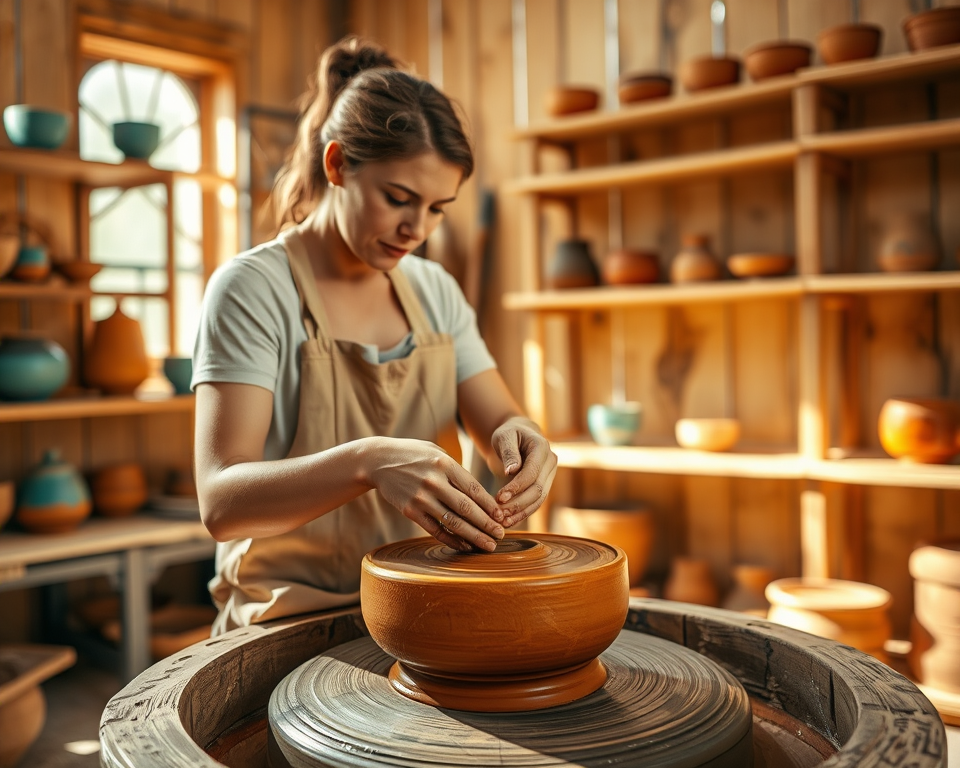
When I first dipped my hands into the world of pottery, I had no idea just how essential clay would become in my creative journey. I mean, we all know pottery exists, right? But have you ever thought about what really makes it tick? If you’re keen to learn about the magic of clay and its relationship with pottery, you’re in the right place. This isn’t just about mud and clay; it’s about unlocking your potential as an artist and embracing a rewarding craft!
Let’s get into it, shall we?
Table of Contents
- 1 Key Takeaways
- 2 The Importance of Clay in Pottery
- 3 What is Clay?
- 4 Historical Overview of Pottery and Clay
- 5 Types of Clay Used in Pottery
- 6 Alternatives to Clay in Pottery
- 7 Enhancing Your Pottery Skills with Clay Knowledge
- 8 Resources for Learning More About Clay and Pottery
- 9 Frequently Asked Questions
- 9.1 What are the different types of clay and how do they vary in use?
- 9.2 How does the firing process affect the final pottery product?
- 9.3 Can I use alternative materials in pottery besides clay?
- 9.4 What are some common techniques for shaping clay?
- 9.5 How do I choose the right clay for my pottery project?
- 9.6 What are some beginner tips for working with clay?
- 9.7 How can pottery skills be improved beyond basic techniques?
- 9.8 What should I do if my pottery cracks during drying or firing?
- 9.9 Where can I find resources to learn more about clay and pottery techniques?
Key Takeaways
- Clay is the heart of pottery. Understanding the different types can elevate your craftsmanship.
- There’s a rich history behind pottery that connects cultures and traditions, adding depth to your artistic endeavors.
- Mastering clay manipulation techniques can dramatically improve your pottery skills.
- Alternatives to clay do exist, but knowing when and how to use them can spice up your creative process.
- Joining a pottery workshop or community can enhance your learning experience and keep you motivated.
The Importance of Clay in Pottery
If you ever wondered why clay is such a big deal in pottery, let me break it down. Clay isn’t just a medium; it’s the foundation of the entire pottery-making process. Think of clay as the canvas for a painter or the stage for a performer. Without it, there’s no pottery to create. This malleable material allows for endless possibilities in shape, design, and function. Plus, it’s got an essential role in the quality of your final piece—getting it right can mean the difference between a professional-looking bowl or a wonky disaster.
When I first started crafting my pieces, I was amazed at how the right type of clay could make everything so much easier. Imagine rolling, pinching, and shaping your creations, all while learning the secrets of the craft from experienced potters. Trust me; knowing the significance of clay will take your skills to the next level!
What is Clay?
Alright, let’s chat about what clay actually is. At its core, clay is simply a natural resource, a fine-grained material composed of tiny particles. It’s the stuff that slips through your fingers and squishes in your palms when you’re creating. But it’s also much more than that—its physical properties make it unique!
Clay comes from the ground and is a sedimentary material formed over centuries. It’s not just earth; various minerals and organic materials play a role in shaping its characteristics. Whether you’re a newbie or someone with a bit of experience, understanding these properties will help you choose the right type of clay for your artistic vision.
To simplify, I’ve created a little table to summarize the defining features of different types of clay:
| Type of Clay | Main Characteristics | Ideal Uses |
|---|---|---|
| Earthenware | Porous, earthy colors, low firing temperature (1825-2100°F) | Basic pottery, garden planters |
| Stoneware | Durable, dense, medium to high firing temperature (2100-2330°F) | Dinnerware, functional pieces |
| Porcelain | Fine texture, translucent, high firing temperature (2280-2500°F) | Artistic pieces, fine china |
This table can be your best friend when selecting clay, ensuring your projects turn out just how you envision them. It’s important to note that your choice can affect everything from drying times to firing results.
Historical Overview of Pottery and Clay
Let’s take a step back in time, shall we? The connection between humans and clay stretches back thousands of years. Ancient civilizations, like the Mesopotamians and Egyptians, relied heavily on clay for crafting their pottery, which not only held practical value but also served artistic and ceremonial purposes. It’s fascinating to think that every pot and plate we create is part of a bigger story, spanning various cultures and time periods.
In my own pottery sessions, I often feel a connection to these early artisans. The techniques they employed still resonate today, whether it’s glazing methods or simple hand-throwing techniques. From glossy finishes to rustic textures, the history of how clay was used adds an exciting layer to our creations. Every time I shape a piece on the wheel, I can’t help but feel a sense of camaraderie with those who came before me.
One interesting fact I came across was that cultures like the Native Americans traditionally used pottery for storage and cooking, shaping clay into functional items before the invention of modern cooking implements. Just imagine the process that went into each handmade piece—they were creating art that served a purpose!
“The beauty of pottery lies not just in the final product but in the journey of creation—historically and personally.”
The Process of Using Clay in Pottery Making
Now, let’s talk about the nitty-gritty of using clay in the pottery-making process. Often, the initial excitement about creating pots can turn into frustration when we confront the actual techniques. But don’t sweat it; every seasoned potter started where you are now!
Using clay involves various stages: from preparation to shaping, drying, and finally firing. Let me walk you through the basic process that makes all the difference:
Preparing the Clay: This involves kneading or wedging, removing air bubbles, and ensuring a uniform texture. If your clay isn’t prepared well, you could end up with cracks or weak spots.
Shaping Techniques: Known techniques include hand-building, wheel-throwing, and slab construction. Each method has its appeals and advantages. For instance, wheel-throwing is great for centering the clay and creating symmetry, while hand-building allows for more unique, personalized designs.
Drying & Firing: Once shaped, it’s essential to let your piece dry slowly to avoid any sudden cracks. After it’s bone-dry, it’s time for the first firing, known as bisque firing, which is a low-temperature process that prepares your piece for glazing.
Glazing: This is where the magic happens. You can add colors, textures, and finishes to your pottery. Glazes can be shiny or matte and can change dramatically when fired again.
Final Firing: This step takes your pottery to a whole new level, solidifying your artwork into durable, functional items.
By gaining a deeper understanding of these stages, you can avoid some common pitfalls and frustrations. Trust me, the more you know about each step, the better your pieces will turn out.
Types of Clay Used in Pottery
Now that we’ve dived into the process, let’s explore the different types of clay available to us aspiring potters. Choosing the right clay can make or break your project, so let’s get to know each type!
Earthenware vs. Stoneware vs. Porcelain
As we’ve already touched on, there’s a big difference among earthenware, stoneware, and porcelain. Knowing these distinctions can help you tailor your projects based on what you want to achieve. Here’s a quick rundown:
Earthenware: This type is the most beginner-friendly, often used by hobbyists and artists just starting out. It fires at a lower temperature and can be easily shaped. If rustic, earthy aesthetics are your vibe, look for earthenware clays that have rich, natural colors.
Stoneware: If you’re looking for durability, stoneware is where it’s at. This type is tougher and perfect for functional items like plates and mugs—you’ll often find it in everyday kitchenware. Prices can vary, but a quality stoneware clay, like Laguna’s Stoneware #3, is typically around $22 for 25 pounds.
Porcelain: This is for those ready to hone their skills further. Porcelain is a higher-end option that produces exceptionally fine pieces. Think elegant vases and delicate tableware. It’s trickier to work with, though, so it’s recommended to have a bit of experience under your belt. A good brand is Amaco’s Porcelain, which runs about $30 for 25 pounds.
“Each type of clay has its own personality—get to know them, and they’ll take you on incredible creative journeys.”
Alternatives to Clay in Pottery
Yes, clay is vital, but did you know there are alternatives out there too? If you’re looking to get creative or perhaps try something outside the box, here are some materials gaining traction:
Polymer Clay: This man-made alternative can be molded easily at room temperature and cured in a regular oven. It’s fantastic for small projects like jewelry or figurines. A popular choice is Sculpey III, starting at around $2 for a 2-ounce block.
Paper Clay: Combining clay with paper fibers makes this a great lightweight alternative, especially for large sculptures or pieces that need to be structural. You can often make this at home!
Recycled Materials: Think outside the box! Old pottery, ceramic shards, and even kitchen scraps can be mashed together to create something new. It’s eco-friendly and often yields surprising results.
Pros and Cons of Using Alternatives
Let’s weigh the positives and negatives of using non-clay materials in your projects. Here’s a quick overview:
| Alternative Material | Pros | Cons |
|---|---|---|
| Polymer Clay | Easy to work with, vibrant colors | Not suitable for functional ware like dishes |
| Paper Clay | Lightweight, easy to manipulate | Can be less durable than traditional clay |
| Recycled Materials | Eco-friendly, promotes creativity | May require experimentation to perfect |
While alternatives can open up new pathways for creativity, remember that none can fully replicate the experience and properties of clay. So, if you’re serious about pottery, don’t abandon your roots! Use alternatives as a supplement rather than a replacement.
Enhancing Your Pottery Skills with Clay Knowledge
Now that you’ve got a solid grasp of clay types and techniques, let’s talk about how to take your pottery skills to the next level. Investing time in learning about different clays can dramatically enhance your artistic journey.
Most importantly, consider joining pottery workshops or classes in your local area. It’s a fantastic way to get hands-on experience, learn from skilled instructors, and meet fellow potters who share your passion! I’ve found that the community spirit in these classes can be a significant motivator.
Tips for Pottery Beginners
Start Simple: If you’re overwhelmed, begin with small, manageable projects like pinch pots or coil pots to build your confidence.
Invest in Quality Tools: You don’t need to break the bank, but a reliable set of basic pottery tools can make a world of difference. Look for beginner sets that include essentials like rib tools, needles, and sponges.
Practice, Practice, Practice: Just like any other craft, pottery takes time to master. Don’t get discouraged if your first pieces aren’t as perfect as you hoped. Each mishap is a lesson learned, so embrace the process!
Remember, the journey of becoming a skilled potter can turn into an exciting adventure! The more you practice and expand your knowledge, the better your pieces will become.
Resources for Learning More About Clay and Pottery
If you’re feeling the urge to dive deeper into pottery, there are loads of resources out there to help you along.
Books: Titles like “The Pottery Book” by Eric T. A. Carr can offer great insights into techniques and history.
Online Courses: Websites like Craftsy and Udemy offer fantastic pottery courses for beginners and intermediates alike.
Community Groups: Check out platforms like Facebook or Meetup for local pottery groups. Being part of a community can enrich your learning experience and keep you motivated!
Pottery Blogs and YouTube Channels: There’s a treasure trove of content available online. Channels like The Grumpy Pigeon offer entertaining and informative pottery tutorials that will have you rolling up your sleeves in no time.
With so many resources at your fingertips, there’s no excuse not to explore this beautiful craft. Happy potting!
Frequently Asked Questions
What are the different types of clay and how do they vary in use?
There are several types of clay used in pottery, including earthenware, stoneware, and porcelain. Earthenware is porous and often used for decorative pieces, while stoneware is durable and ideal for functional items. Porcelain is refined and non-porous, commonly used for fine china. Each type has unique firing temperatures and properties that affect its suitability for different pottery projects.
How does the firing process affect the final pottery product?
Firing pottery involves heating it in a kiln to harden the clay and set glazes. The temperature and duration of firing can alter the color, strength, and texture of the finished piece. Higher firing temperatures typically result in stronger and more durable ceramics, while lower temperatures can create softer, more porous items.
Can I use alternative materials in pottery besides clay?
Yes, there are a variety of alternative materials you can use in pottery, such as polymer clay, which can be molded and cured at lower temperatures, and recycled materials that can create unique textures and appearances. Exploring these alternatives allows for greater creativity and can lead to innovative pottery designs that are eco-friendly.
What are some common techniques for shaping clay?
Common techniques for shaping clay include pinch pots, coil building, slab construction, and wheel throwing. Each method allows for different artistic expressions and functionalities in the final product. Beginners may find pinch pots and coil building the easiest to start with, as these techniques don’t require specialized tools.
How do I choose the right clay for my pottery project?
Choosing the right clay depends on your project goals. Consider factors like the intended function of the piece, desired finishing techniques, and firing temperature. For instance, if you’re making dinnerware, stoneware would be suitable. If you aim for a decorative piece, earthenware might be the right choice due to its vibrant glaze options.
What are some beginner tips for working with clay?
For beginners, start with small, simple projects to build confidence. Familiarize yourself with basic tools and techniques. Use moisture control to prevent cracking during drying. It’s also helpful to keep your workspace organized for easy access to materials. Practice regularly to improve your skills and develop a personal style.
How can pottery skills be improved beyond basic techniques?
To improve pottery skills, consider attending workshops or taking classes to learn advanced techniques. Regular practice is essential, as well as seeking feedback from experienced potters. Joining a pottery community can provide support, inspiration, and opportunities to experiment with new materials and methods.
What should I do if my pottery cracks during drying or firing?
If your pottery cracks, it’s often due to uneven drying or rapid temperature changes during firing. To prevent this, ensure even drying by covering pieces loosely with plastic or using a controlled drying environment. If cracks occur, small repairs can be made with slip or patching clay, but deep cracks may result in the piece being unsalvageable.
Where can I find resources to learn more about clay and pottery techniques?
There are numerous resources available for learning more about clay and pottery techniques, including online courses, local community classes, and pottery books. Websites and forums dedicated to ceramics can also provide valuable insights, tutorials, and peer support. Engaging with local pottery guilds or groups can enhance your learning experience.
