
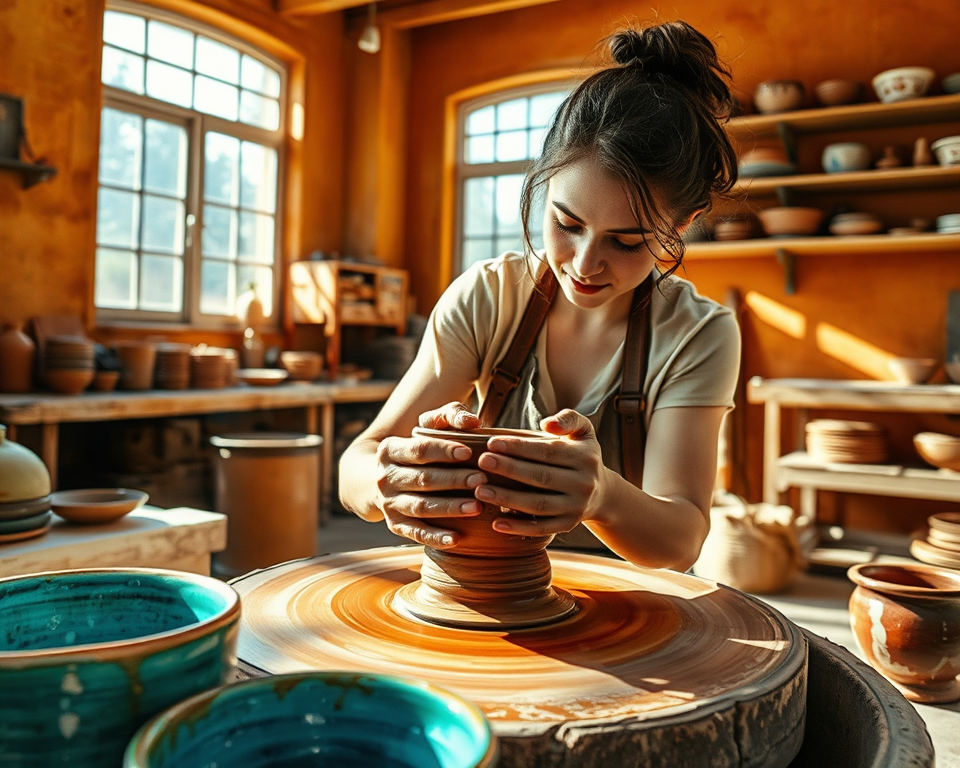
If you’ve ever felt a twinge of creativity itch inside you, longing to mold something unique or simply looking for a fun way to relax, then pottery is calling your name! There’s just something about getting your hands dirty with clay, spinning on a wheel, and shaping raw materials into beautiful works of art. Whether you’re an art enthusiast looking to hone your craft or completely new to the world of ceramics, exploring a pottery place can be a magical experience that blends community, creativity, and hands-on learning.
Let me take you on this journey to the wonderful world of pottery studios. You might just find your new favorite hobby or a hidden gem in your neighborhood art community!
Table of Contents
- 1 Key Takeaways
- 2 What is a Pottery Place?
- 3 Types of Pottery Activities Available
- 4 How to Get Involved with Your Local Pottery Place
- 5 FAQ about Pottery Places
- 6 Frequently Asked Questions
- 6.1 What is the difference between a pottery studio and a ceramics studio?
- 6.2 Can anyone join a pottery class, or are there prerequisites?
- 6.3 What materials do I need to start pottery as a beginner?
- 6.4 How much do pottery classes typically cost?
- 6.5 What types of pottery techniques can I learn in a class?
- 6.6 Are there any health precautions to consider when working with clay?
- 6.7 Can I sell the pottery I create in class?
- 6.8 How can I find pottery places offering specialty workshops, like glazing techniques?
- 6.9 What are some common challenges faced by beginners in pottery, and how can I overcome them?
- 6.10 How do local pottery events benefit the community?
Key Takeaways
- Pottery places offer a range of activities from beginner classes to advanced workshops, allowing everyone to find their perfect fit.
- Participating in pottery not only sparks creativity but also serves as a fantastic stress-reliever and a means to connect with others.
- Local pottery studios often host community events and exhibitions, providing an opportunity to engage and network with fellow artists.
- Getting involved is as simple as signing up for classes or joining local pottery groups; options abound!
- Don’t get overwhelmed—most studios cater to varying levels of expertise, making it easier than ever to start your pottery adventure.
What is a Pottery Place?
A pottery place generally refers to any studio or workshop that specializes in creating pottery and ceramic art. Think of it as a haven for artistic souls, a space where creativity flourishes amidst the earthy aroma of clay and vibrant colors of glazes.
Pottery studios can differ greatly—from bustling community centers offering classes to intimate spaces where local artisans practice their craft. Each venue has its unique vibe, often reflecting the local art culture. Some well-known names, like The Clay Studios or The Pottery Place, offer various classes that allow you to explore your artistic side while learning about pottery techniques.
Understanding the Purpose and Offerings
So what can you actually do at a pottery place? For starters, most studios offer hands-on opportunities for all skill levels. You can participate in workshops focused on wheel throwing, hand-building, sculpting, glazing, and more. You might walk in to find a class creating functional pieces like mugs and plates or perhaps abstract sculptures that challenge the norms of decorative ceramics.
Here’s a quick rundown of the things you can expect:
- Art Classes: Many studios provide comprehensive art classes, sometimes featuring guest artists who lead unique workshops.
- Community Workshops: These are perfect for those looking to meet new people. You can bond over shared projects and creativity.
- Creative Spaces: Studios often have cozy spaces where people can just hang out, create, and share ideas. It’s like a mini-version of an art retreat!
“Pottery is a way for me to escape the daily grind. It’s a blend of art and therapy that I just can’t get enough of.”
The Benefits of Participating in Pottery Activities
The allure of pottery goes beyond just making pretty things. Engaging in pottery activities can be therapeutic! Believe me when I say that, when you sink your hands into that squishy clay, there’s a kind of magic that happens—it allows you to focus, relax, and genuinely enjoy the moment.
Here’s why you should give pottery a try:
- Creative Outlet: It’s great for expressing yourself; each piece tells a part of who you are.
- Stress Relief: There’s something meditative about molding and shaping clay, helping to dissolve daily stresses.
- Community Building: Participating in group classes or community events can forge new friendships and connections.
- Skill Development: Pottery enhances fine motor skills, patience, and problem-solving abilities—all while having fun!
“Creating something with my hands brings me a sense of accomplishment like nothing else. Every mug I make tells a story.”
Types of Pottery Activities Available
Now, let’s get to the juicy part—what can you actually expect in terms of activities? Pottery studios are rich with opportunities, regardless of whether you’re just starting or you’re a seasoned artist.
Common Pottery Classes and Workshops
Pottery classes can vary widely, leaving plenty of room for you to explore. From beginner sessions to advanced workshops, there’s something out there for everyone. Here’s a quick look at the types of classes you might find:
| Class Type | Description | Estimated Cost |
|---|---|---|
| Beginner Pottery Class | Learn the basics of clay and glazing. | $75 for 3 hours |
| Advanced Techniques | Focus on wheel throwing or sculpting. | $150 for 6 hours |
| Kids Pottery Workshop | Fun and safe classes for children. | $50 for 2 hours |
| Pottery Night | Socialize while creating pottery with friends. | $40 per person |
| Virtual Pottery Class | Online guidance on pottery techniques. | $30 per session |
The pricing can vary greatly depending on the studio and location, so it’s a good idea to check out local options. To find something close to you, just search “pottery classes near me” online and you’ll be amazed at what pops up!
Community Events and Gatherings
One of the coolest aspects of pottery is the community vibe it brings along. Most pottery studios will host events like exhibitions or artisan fairs, offering a chance to showcase your work alongside fellow ceramic enthusiasts. Picture yourself at a local clay festival, surrounded by the creativity and passion of others; it’s a blast!
Discovering the local pottery community turned my pottery journey into something much bigger than just making art. I’ve met amazing people and made lifelong friends.
How to Get Involved with Your Local Pottery Place
Getting involved with pottery isn’t rocket science! Whether you want to join a class, attend workshops, or simply loiter and admire the daily creations, there’s no shortage of options.
Finding Pottery Places Near You
First off, start by searching for pottery studios in your area. A simple online search for “pottery studio locator” will lead you to local ceramic art centers or community clay studios. You might even stumble upon some quaint hidden gems!
Once you’ve pinpointed a few places, it’s helpful to:
- Visit in Person: Sometimes, seeing the space can tell you a lot about the energy and community vibe.
- Ask About Classes: Inquire about schedules, costs, and community events. The friendly staff will usually be more than willing to help you out!
- Connect on Social Media: Many studios promote upcoming events and classes on platforms like Instagram or Facebook, and it’s often a great way to gauge the community presence.
Tips for Newcomers to Pottery
If you’re a newbie to the pottery scene, fret not! Here are some friendly suggestions to ease you into this art form:
- Don’t be afraid to make mistakes. The beauty of pottery lies in experimentation and letting creativity flow. Every piece you create is a step in your journey!
- Start with the basics. Focus on essential pottery techniques before diving into advanced methods to build your foundation confidently.
- Ask questions! The more you inquire, the better your understanding will be. Your instructors will appreciate your eagerness to learn.
“When I first walked into my pottery class, I was nervous, but the atmosphere was so accepting. I learned so much, and everyone was super supportive.”
FAQ about Pottery Places
Pottery can be intimidating when you’re just starting out. Let’s cover some common questions you might have about participating in pottery activities.
Addressing Common User Frustrations
Many people worry about how to get started or what to expect, and that’s completely normal! The best approach is to look at credible resources—like the pottery studio’s website or local forums—to find clear, accessible information. Most studios are eager to assist and guide you through the process.
- How much do pottery classes cost? Prices can range, but generally, expect anywhere from $30 to $150, depending on the length and type of class.
- What can I make in pottery? You can create everything from dinnerware sets to decorative pieces and sculptures. The options are endless!
- Do I need any prior experience? Nope! Most pottery places cater to all skill levels, so don’t worry about being a total newbie.
Exploring Pottery Uses and Techniques
Now, you might be curious about the types of pottery creations you can make and their practical uses. Happy to oblige! Pottery isn’t just an art form; it has functional applications as well.
Here’s a quick snapshot of pottery types:
| Type of Pottery | Common Uses |
|---|---|
| Functional Ceramics | Plates, mugs, bowls, and vases |
| Decorative Pottery | Sculptures, wall pieces, and artistic displays |
| Earthenware | Terracotta pots, planters, and tiles |
| Stoneware | Dinner plates, mugs that are durable for daily use |
| Porcelain | Fine china and delicate artistic creations |
Pottery’s aesthetic beauty and functionality go hand-in-hand, making it a versatile craft that enhances both art and practicality. Don’t shy away from experimenting with different techniques and styles to see what resonates with you.
In essence, the pottery world is waiting for you to explore its creative boundaries, promising joy, fulfillment, and a community that celebrates every piece of art you create!
Frequently Asked Questions
What is the difference between a pottery studio and a ceramics studio?
While both pottery and ceramics studios often share similar facilities and equipment, pottery studios typically focus on creating items made from clay (like bowls and mugs), whereas ceramics studios might include additional techniques and materials that encompass broader classes of fired clay products, including decorative items.
Can anyone join a pottery class, or are there prerequisites?
Most pottery classes welcome individuals of all skill levels, including beginners. However, some advanced classes may require prior experience or completion of a beginner course. It’s best to check with the studio for specific requirements before signing up.
What materials do I need to start pottery as a beginner?
As a beginner, you will typically need basic tools such as a potter’s wheel (if you’re doing wheel throwing), various types of clay, a rolling pin, sculpting tools, and glazing materials. Many studios provide tools for beginners, so check with them before purchasing anything.
How much do pottery classes typically cost?
The cost of pottery classes can vary widely based on location, duration, and materials provided. On average, classes can range from $25 to $100 per session, or you may find package deals that reduce the price per class. Always inquire about any additional fees for materials.
What types of pottery techniques can I learn in a class?
Pottery classes often cover a variety of techniques, including hand-building (pinching, coiling, and slab building), wheel throwing, and glazing. Each type offers unique creative opportunities, so explore the offerings of your local studio to find what interests you most.
Are there any health precautions to consider when working with clay?
When working with clay, it’s essential to use non-toxic materials and ensure proper ventilation, especially when using glazes or tools that produce dust. Always follow safety guidelines provided by your instructor and wear appropriate protective gear if necessary.
Can I sell the pottery I create in class?
Yes, most studios allow participants to sell their work. However, you should verify any specific policies about selling items made in classes. If you’re serious about selling, you might also consider joining community fairs or local artisan markets.
How can I find pottery places offering specialty workshops, like glazing techniques?
To find pottery studios that offer specialty workshops, check local community art centers or search online for ceramics workshops focusing on specific skills. Social media platforms and local event boards are also excellent resources for discovering niche offerings.
What are some common challenges faced by beginners in pottery, and how can I overcome them?
Beginners often struggle with mastering techniques, managing the consistency of clay, and achieving desired finishes. Overcoming these challenges requires patience, practice, and possibly seeking additional classes or resources. Ask your instructor for specific tips tailored to your struggles.
How do local pottery events benefit the community?
Local pottery events, like exhibitions and fairs, foster community engagement by bringing artists and patrons together. These gatherings promote artistic expression, support local artisans, and create opportunities for education and collaboration, thereby enhancing the cultural fabric of the area.
