
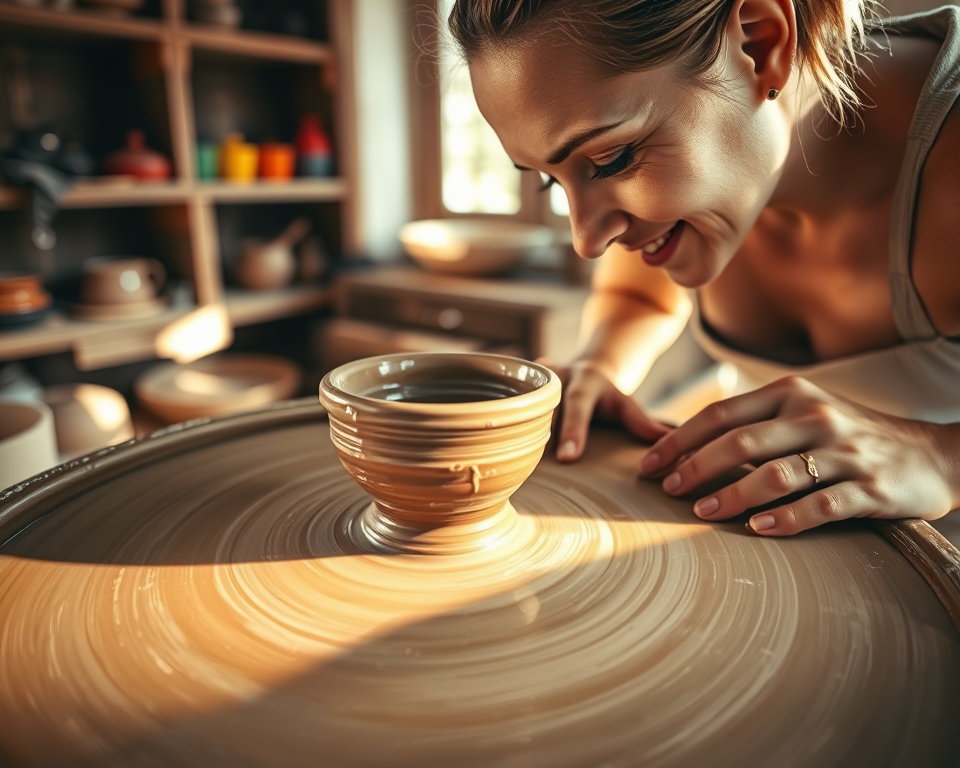
So, you’re thinking about buying a pottery wheel? Whether you’re a budding artist or just someone looking to enjoy a new hobby, I can totally relate! I remember the excitement I felt when I first considered stepping into the world of pottery, swirling clay beneath my fingers. But wait—before you jump in headfirst, let’s talk about something that’s probably whirling around in your mind: how much is this going to cost?
You’re not alone if you’re feeling a bit overwhelmed. Pottery wheel prices vary like crazy. If you’re like me, you want to know what to expect without getting bamboozled. Here’s a low-down on pottery wheel prices, the factors influencing those costs, and real-life experiences from folks just like you. Let’s roll!
Table of Contents
- 1 Key Takeaways
- 2 Overview of Pottery Wheel Prices
- 3 Factors Influencing Pottery Wheel Prices
- 4 Types of Pottery Wheels
- 5 Price Breakdown by Model
- 6 Additional Costs to Consider
- 7 Tips for Budgeting Your Pottery Wheel Purchase
- 8 User Testimonials and Expert Opinions
- 9 Conclusion
- 10 Frequently Asked Questions
- 10.1 What are the essential features to look for in a pottery wheel?
- 10.2 How do maintenance costs affect the overall budget for a pottery wheel?
- 10.3 What are some budget-friendly brands or models for beginner pottery wheels?
- 10.4 Are there any hidden costs associated with purchasing a pottery wheel?
- 10.5 What should I consider when deciding between an electric and a manual pottery wheel?
- 10.6 How can I find reputable user reviews for different pottery wheel models?
- 10.7 Should I buy new or used pottery wheels and what are the pros and cons?
- 10.8 How do I evaluate my pottery wheel needs according to space constraints?
- 10.9 Are there any recommendations for tools and accessories to enhance pottery production?
- 10.10 What are the benefits of joining pottery communities or forums for beginners?
Key Takeaways
- Pottery wheel prices can range from $200 for entry-level models to over $2,000 for professional ones.
- The choice between electric and manual pottery wheels can significantly impact your budget and functionality.
- Factor in additional costs like tools and materials, which can add up quickly if you’re not careful.
- User experiences and expert reviews can give you real insight into which model is a solid investment.
Overview of Pottery Wheel Prices
When I first started researching pottery wheels, I got hit with a wave of confusion. Prices range from budget-friendly to “Oh wow, I better sell a kidney.” Most hobbyist wheels fall somewhere in the $200 to $800 range, while professional options can soar to $2,000 and beyond.
Here’s a quick table to give you an overview of various models and their price categories:
| Type of Wheel | Price Range | Ideal User Type |
|---|---|---|
| Entry-Level | $200 – $500 | Beginners and hobbyists |
| Mid-Range | $500 – $1,200 | Intermediate and semi-professionals |
| Professional | $1,200 – $2,500+ | Advanced and professional potters |
“It doesn’t matter if you’re just starting out or you’re ready to showcase your skills—there’s a pottery wheel out there for every budget.”
Many brands, like Shimpo, Wedging Table, and Speedball, have models that cater to these price ranges. The popular Shimpo VL-Lite is an excellent entry-level pick, usually priced around $500. On the other end, the Amaco Brent CXC could rock your world but will cost you around $1,850.
Factors Influencing Pottery Wheel Prices
Now, before I start throwing around these numbers, it’s essential to know what influences these prices. Not all wheels are created equal! Here are some factors worth considering:
Brand Value: Established brands often carry a premium due to their reputation and reliability. Brands like Laguna and Bailey have been around for ages and have a loyal following.
Materials Used: The construction materials can drastically affect price. A metal frame may be less prone to wear and tear than a wooden one, allowing for better longevity.
Motor Power: Electric wheels usually come with different motor sizes and horsepower. A robust motor might be more expensive, but it allows you to work with larger, heavier pieces.
Wheel Size: If you’re planning on creating larger pots, you’ll need a larger wheel, which generally translates to a higher price.
Features: Additional features like foot pedals, splash pans, or adjustable wheels can add to the functionality and, thus, the cost.
Electric vs. Manual Pottery Wheels
Now let’s chat about the eternal debate: electric versus manual pottery wheels. When I started, I had to decide between the two. If you’re on a tighter budget, a manual wheel may be an excellent choice for you! Models like the Pacifica GT 400 usually sit at about $300, making it accessible for those just starting.
However, if you want to invest in your craft and enjoy a smooth ride, an electric wheel like the Speedball Artista (around $550) would be your go-to option. The convenience of electricity allows you to focus more on creating rather than spinning the wheel by hand!
“Choosing the right wheel really depends on what you plan to create. If you’re all about making large pieces, go electric!”
Types of Pottery Wheels
Let’s dig into the different types of pottery wheels, shall we? Different models cater to different user reqs!
Portable Pottery Wheels
Perfect for those who may want to take their art on the go. These usually weigh less and are more compact. A great option is the Brent Mini, which is lightweight and typically costs around $275. Great for students or hobbyists without much workshop space.
Studio Pottery Wheels
If you have a dedicated workspace, consider a studio wheel. Models like the Laguna WD-825 (about $1,100) strike a balance between durability and performance, suitable for more serious potters.
Beginner Pottery Wheels
If you’re just breaking ground, look into wheels designed specifically for newbies. The Speedball Studio Pro (about $475) is an ideal first wheel due to its balance of performance and ease of use.
Professional Pottery Wheels
Ready to take your skill to the next level? Professional options like the Shimpo VL-Whisper (around $1,400) are highly revered for their stability and power—perfect for potters looking to refine their craft.
Advanced Pottery Wheels
These often come with advanced features, making complex works easier to achieve. You can find models like the L&L Electric Kiln company wheel costing about $2,200.
Price Breakdown by Model
Understanding the price breakdown by model can help you prioritize your purchase. Here’s a quick overview of the price categories for different types of pottery wheels:
| Model | Price | Target User |
|---|---|---|
| Shimpo VL-Lite | $500 | Beginners |
| Speedball Artista | $550 | Intermediate |
| Laguna WD-825 | $1,100 | Serious hobbyists |
| Brent CXC | $1,850 | Professionals |
As you can see, entry-level prices are quite friendly when starting. It’s always good to consider mid-range wheels if you want something that lasts a bit longer or can handle more weight.
Additional Costs to Consider
Okay, before you dive headfirst into the purchase, remember that many costs are lurking in the background. Like surprise expenses! When budgeting for your pottery wheel purchase, think about:
- Accessories: You’ll need tools like carving kits, sponges, and clay. These costs can add up quickly, often around $100 to $300 extra.
- Maintenance Costs: Electric wheels typically require motor maintenance, while manual wheels might need occasional part replacements. Look into budgeting for this, especially if you buy a higher-end model.
- Rental Options: If you’re unsure about committing to a wheel, rental options often cost between $50 to $150 per month depending on your area. It’s a good idea to get a feel for the material before diving into a purchase.
“Always factor in those extra costs. They can sneak up on you and skew your budget!”
Tips for Budgeting Your Pottery Wheel Purchase
So, you’ve picked out a wheel you love, but now what? Let’s talk budgeting strategies to keep your wallet in check while still chasing that pottery dream.
Set a Budget: Determine how much you’re willing to spend, factoring in additional costs mentioned earlier. This keeps you focused and prevents overspending.
Look for Deals: Don’t hesitate to check for sales or second-hand options from local listings. You can snag a great deal and save a chunk of change.
Evaluate Needs: Ask yourself what you truly need from your wheel. Are the bells and whistles worth the price? Sometimes simpler wheels serve a purpose just fine.
Smart Purchases: If you can, invest a little more in a wheel that will last longer instead of opting for cheap models that might fall apart quickly.
User Testimonials and Expert Opinions
When it comes to pottery wheels, nothing beats the experiences of those who’ve walked the path before you. I’ve combed through opinions from users to experts, and here are some valuable nuggets of insight.
Many potters rave about the Shimpo VL-Lite for being user-friendly—perfect for beginners. Others swear by the Speedball Artista for its electric ease but acknowledge that you really should know how to manage clay first if you go electric!
One reviewer states:
“The Laguna WD-825 has been a game-changer for my pottery classes; it’s reliable and has held up wonderfully after years of use!”
Real-world feedback totally backs up the need for solid options. Reviews from actual users can guide you toward reputable products, potentially saving you a world of buyer’s remorse.
Comparing User Experiences Across Models
When diving into models, checking user reviews offers valuable insight. Sites like Pottery Heads or The Pottery Wheel Performance Group have people sharing their stories. Most pots follow similar praise or concerns—whether it’s about stability or ease of cleaning.
I found that many mentioned user satisfaction ratings across several models often tend to correlate with the level of support they get from the brand. Customer service can be everything—be it warranty issues or needing part replacements.
Here are some pros and cons people noted:
- Pro: Electric wheels are far more user-friendly and versatile.
- Con: Manual wheels can be tiring if you’re working for hours!
Having a community just a click away can vastly improve your experience and help with product decisions.
“Get connected with other potters—it can change your journey entirely. There’s peace in knowing you’re not alone in this messy, beautiful craft!”
Conclusion
By now, I hope I’ve armed you with the right insights to step boldly into the world of pottery. I can say for sure that understanding your options, budgeting effectively, and listening to experienced voices can help you make the best possible decision.
As you embark on your pottery journey, keep this knowledge close. Remember: every pot starts with the perfect wheel, and you’re off to a fantastic start!
Frequently Asked Questions
What are the essential features to look for in a pottery wheel?
When selecting a pottery wheel, consider factors such as size, motor power, weight capacity, and materials used. Features like adjustable speed, ease of cleanup, and portability are also important. A wheel that meets your specific needs as a beginner or professional will greatly enhance your pottery experience.
How do maintenance costs affect the overall budget for a pottery wheel?
Maintenance costs can vary based on the type of pottery wheel and how often it is used. Consider expenses for replacement parts, tools, or repairs as part of your total ownership costs. Regular maintenance will ensure the longevity of your equipment, so it’s best to budget for both immediate and future expenses.
What are some budget-friendly brands or models for beginner pottery wheels?
For beginners, brands like Brent, Shimpo, and Speedball offer affordable and reliable pottery wheel options. Look for entry-level models that include essential features without unnecessary upgrades. Reading user reviews can also help identify the best budget options tailored to your skill level.
Yes, hidden costs may include shipping fees, taxes, or import duties, especially if ordering online. Additionally, consider expenses for tools, clay, glazes, and accessories that enhance your pottery practice. It’s essential to account for these when budgeting for your new wheel.
What should I consider when deciding between an electric and a manual pottery wheel?
Choosing between electric and manual pottery wheels depends on your familiarity with pottery and your intended use. Electric wheels offer more consistency and power, making them suitable for larger projects, while manual wheels may be more cost-effective and preferable for traditional practices. Assess your needs and style before deciding.
How can I find reputable user reviews for different pottery wheel models?
To find trustworthy user reviews, check pottery forums, social media groups, and product review websites. Websites like Amazon or specialized pottery supply stores often feature user feedback. Pay attention to comments on durability, ease of use, and overall satisfaction to help guide your decision.
Should I buy new or used pottery wheels and what are the pros and cons?
Buying used pottery wheels can save money, but ensure you inspect the condition thoroughly before purchasing. Pros of used wheels include lower costs and potential high-quality brands. Cons may include wear and lack of warranties. New pottery wheels often come with guarantees and the latest technology, so weigh your options carefully.
How do I evaluate my pottery wheel needs according to space constraints?
Assess your workspace dimensions before purchasing a pottery wheel. Consider how much room you can dedicate to the wheel, including extra space for accessories. A portable model might be beneficial for small spaces, while a more permanent setup can be ideal for studios with sufficient room.
Are there any recommendations for tools and accessories to enhance pottery production?
Essential tools include a wooden rib, sponge, wire cutter, and trimming tools. Accessories such as bats, splash pans, and clay tools can greatly aid your pottery experience. Start with basic tools and expand your collection as you become more experienced and develop your style.
What are the benefits of joining pottery communities or forums for beginners?
Joining pottery communities or forums provides valuable support, shared knowledge, and inspiration from fellow potters. These platforms offer tips about techniques, equipment, and troubleshooting, along with the opportunity to exchange ideas and experiences. This network can significantly enhance your learning journey and enjoyment of pottery.
