
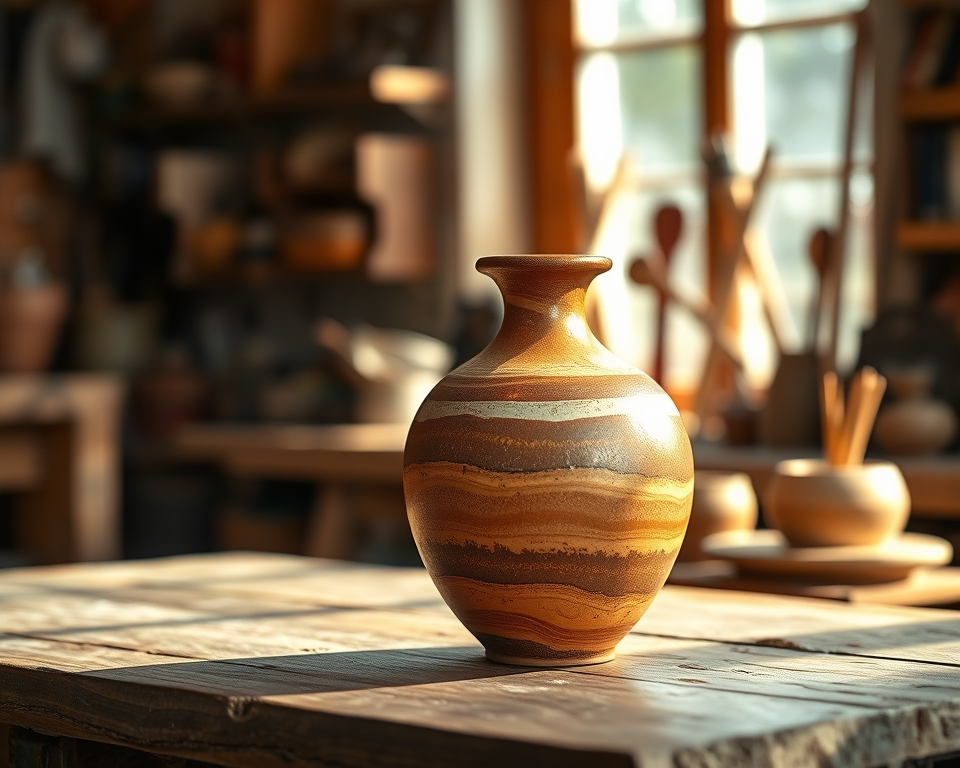
When I first started my journey into the fascinating world of pottery, I was totally mesmerized by the beauty and the stories each piece carried. But, boy, was I clueless about what made certain pottery truly collectible! If you’re like I was, perhaps you’re on the verge of finding a hidden gem in your grandma’s attic or simply want to understand what’s floating around in the pottery market these days. The good news? You’ve landed in the right spot! Let’s break it down together, shall we?
Table of Contents
- 1 Key Takeaways
- 2 Understanding Valuable Pottery Types
- 3 Historical Context and Significance
- 4 Factors Determining Pottery Value
- 5 Market Trends and Their Influence
- 6 Identifying Valuable Pottery
- 7 Resources for Further Research
- 8 Frequently Asked Questions
- 8.1 What are some examples of collectible pottery styles?
- 8.2 How can I determine the age of my pottery?
- 8.3 What should I do if my pottery has been repaired?
- 8.4 How do pottery appraisers determine value?
- 8.5 What resources can I use to learn more about pottery appraisal?
- 8.6 How do I spot a genuine pottery mark versus a reproduction?
- 8.7 Are there particular care instructions for preserving collectible pottery?
- 8.8 What are the current trends in the pottery collecting market?
- 8.9 How can I identify valuable pottery artists?
Key Takeaways
- Familiarity with Key Characteristics: It’s essential to spot unique traits that give pottery its value.
- Understand the Historical Context: Knowing the backstory behind pottery styles and eras can significantly impact collectible worth.
- Condition Matters a Ton: A well-preserved piece can skyrocket in value, while a damaged one could drop like a stone.
- Keep an Eye on Market Trends: Pottery values fluctuate, so stay updated to make informed choices.
- Resources Are Everywhere: From books to online communities, there are tons of tools to help you zero in on valuable pieces.
Understanding Valuable Pottery Types
As I stood in front of my first pottery show, I realized there’s a whole world of collectible ceramics out there. The types of pottery you encounter can range from functional tableware to decorative items that scream artistry. Think classic Majolica with its vivid colors, or the elegant lines of Art Deco pottery.
Each pottery type has its own vibe, and certain styles are just more collectible than others. Some pieces carry sentimental value, while others can fetch jaw-dropping prices at auctions. It’s like entering a treasure hunt, but with pots!
Key Characteristics of Valuable Pottery
There are specific characteristics that make pottery worth its weight in—or at least, worth a pretty penny. Here’s what you should look for:
- Pottery Features: Look out for unique glaze types or craftsmanship techniques. Hand-painted designs often draw collectors in, giving an individualistic touch that factory-made items lack.
- Condition: I can’t stress this enough—condition is everything! A small chip can diminish value, while a flawless piece can be a showstopper.
- Markings: Always check for any stamps or signatures. For example, pieces from renowned brands like Wedgwood or Royal Worcester can command better prices. Their distinctive marks are a collector’s dream!
“Collectible pottery should tell a story, and when you’re able to see that story reflected in the craftsmanship, it transforms value from simple currency to heartfelt connection.”
Historical Context and Significance
Understanding the historical significance of pottery can be a game-changer when it comes to appraising its value. Pottery is often a reflection of cultural movements and art periods. For instance, the Arts and Crafts movement gave rise to stunning pieces created by artists who valued handmade over mass production.
Recognizing Notable Pottery Eras
When browsing through ceramics, familiarize yourself with notable pottery eras. Knowing what’s out there can help you avoid investing in replicas or newer pieces that lack the charm of original work.
| Era | Characteristics | Collectibility |
|---|---|---|
| Arts and Crafts | Handcrafted, organic forms, earth tones | High for original pieces |
| Art Deco | Geometric shapes, bold colors | Medium to high, depending on style |
| Mid-Century Modern | Minimalist, functional, often Scandinavian-inspired | Rising in popularity |
You see, even the aesthetic of a piece can tell you a lot about its history and value. So, stay curious and always ask, “What’s the story behind this pottery?”
Factors Determining Pottery Value
Now, this is where things get a little tricky yet incredibly rewarding! When it comes to assessing why one piece might fetch more than another, it’s like piecing together a puzzle.
Understanding Market Value
Age assessment is crucial; older isn’t always better, but it tends to hold more value. Authenticity is another massive factor. There are tons of replicas floating around, so knowing how to differentiate between the real deal and an imposter is essential.
One part that truly fascinated me was how market trends can shift, leading to price fluctuations. For instance, did you know that certain pottery types can see price spikes due to trending aesthetics on social media? Yup, that happens! So staying in the loop can be your golden ticket!
“Value isn’t just about age or rarity; it often hinges on current market demand and trends that shape what collectors are looking for today.”
Understanding Condition and Its Impact on Value
The condition of pottery can dramatically influence its market value. Here’s how to assess it:
Grading Conditions
- Mint Condition: No chips, cracks, or repairs—pottery in mint condition is a true treasure.
- Excellent Condition: Minor wear is acceptable, but overall the piece stands proud.
- Good Condition: Noticeable wear; some damage may affect resale potential but can still be worth purchasing for personal collection.
Keep a keen eye for repairs too. Sometimes, professional repairs enhance value, while others can seriously detract it. It’s a fine line to walk, and one worth mastering!
Market Trends and Their Influence
Just like fashion, pottery values come and go with trends. Being aware of these trends can be your best bet when collecting.
Current Pottery Market Trends
Here’s a quick look at what’s hot in the market right now:
– Vintage pottery is making a comeback, especially pieces from the 1960s and 1970s.
– Scandinavian designs are attracting attention for their minimalist charm, leading to spikes in prices for brands like Royal Copenhagen.
– Social media platforms are showcasing pottery, and this is drawing in younger collectors eager for unique, eye-catching pieces to share online.
If you can snag a piece that aligns with these trends, you could potentially turn a nice profit when you decide to sell.
Identifying Valuable Pottery
So, you’ve decided to jump in and start collecting. What’s next? Let’s talk about some practical tips for identifying valuable pieces.
Recognizing Notable Artists and Brands
A great way to ensure you’re investing wisely is to familiarize yourself with reputable pottery brands and artists.
Important Names to Know
- Rosenthal: Known for exquisite craftsmanship and design; their dinnerware can range from $50 to several thousand dollars.
- Villeroy & Boch: Pieces often depict captivating themes. Prices can vary widely, but certain collectible lines are hot sellers.
- Clarice Cliff: If you spot a piece of her work, grab it! Prices can skyrocket based on design.
Knowing these names and their trademarks is instrumental and can save you from making costly mistakes.
Practical Tips for Pottery Recognition
- Visual Cues: Look for signature styles. A uniquely shaped piece might indicate a specific artist or brand.
- Online Resources: Websites like eBay or Etsy can give you an idea of current market prices. You can also plug in numbers to see how similar items are priced.
- Community Engagement: Joining online forums or social media groups dedicated to pottery can help. You’ll discover insights from seasoned collectors as they share their experiences and knowledge.
“Every piece has a backstory and its value is often tied to its journey. Learn it, treasure it, and let that guide you.”
Resources for Further Research
Now that you’re getting the hang of spotting collectible pottery, you’ll want to know where to look for even more insights. Thankfully, there’s no shortage of resources for aspiring collectors.
Recommended Books and Websites
You can’t go wrong with a few key texts. Here are some to get you started:
– “The Collector’s Guide to Antique Pottery” – A fantastic overall insight into how to identify and appraise pottery.
– “Pottery Marks: The Complete Guide” – Helps you understand manufacturer marks which will aid your recognition game tremendously.
As for online resources, several websites like Antique Trader and The Spruce Crafts offer extensive articles on valuation topics and current trends in the pottery scene.
Online Communities and Forums
Connecting with fellow enthusiasts can be hugely beneficial. Here are some communities worth checking out:
– Facebook Groups: There are countless pottery groups where collectors discuss their finds and share tips.
– Reddit: Subreddits like r/Antiques or r/Pottery are goldmines for asking questions and getting advice.
Remember that networking is everything in this scene. You’ll not only gain knowledge but potentially valuable contacts for your collecting journey.
Embrace the art of collecting pottery with open arms. Each piece is a conversation starter, a slice of history, and who knows? You could stumble upon that rare piece that transforms your collection into something extraordinary! Happy hunting!
Frequently Asked Questions
What are some examples of collectible pottery styles?
Collectible pottery styles can include Art Nouveau, Arts and Crafts movement pieces, and Mid-Century Modern ceramics. Each style bears distinct characteristics such as shape, color, and glazing techniques, making them appealing to collectors. Exploring regional styles, like Delftware or Mexican Talavera, can also provide valuable insight into collectible options.
How can I determine the age of my pottery?
To determine the age of your pottery, examine the marks on the base, research styles, and understand the historical context behind them. Look for specific features, manufacturing techniques, and glaze types that were popular during certain periods. Consulting a pottery reference guide or expert may provide further clarity.
What should I do if my pottery has been repaired?
If your pottery has been repaired, note that it can impact its value. However, professional restoration can sometimes enhance an item’s overall appeal. Document the repair method, and preferably, seek vintage restoration techniques that maintain the integrity of the piece. Be transparent about repairs when selling or appraising.
How do pottery appraisers determine value?
Pottery appraisers consider various factors for valuation, including age, rarity, condition, brand, and market demand. They often employ historical research and current market data to accurately assess and assign a price. Understanding these factors helps collectors appreciate the basis for their pottery’s worth.
What resources can I use to learn more about pottery appraisal?
To learn about pottery appraisal, consider resources such as pottery reference guides, valuation websites, and online communities dedicated to ceramics. Books authored by pottery experts can also offer in-depth knowledge. Engaging in local collector forums can provide practical insights and advice from seasoned enthusiasts.
How do I spot a genuine pottery mark versus a reproduction?
Identifying genuine pottery marks involves researching known markings of reputable brands and comparing them to your piece. Look for inconsistencies in font, size, and placement. Additionally, an understanding of materials and craftsmanship can help distinguish original pieces from reproductions, as modern reproductions often have less meticulous detailing.
Are there particular care instructions for preserving collectible pottery?
Yes, preserving collectible pottery involves gentle cleaning, avoiding harsh chemicals, and limiting exposure to direct sunlight. Store pottery in stable environments, free from extreme temperature fluctuations. If necessary, display pieces in glass cabinets to minimize dust exposure while allowing for visibility.
What are the current trends in the pottery collecting market?
Current trends in pottery collecting include a rising interest in sustainable and artisanal pottery, along with vintage and retro ceramics from the mid-20th century. Social media platforms are influencing popularity, with quirky or unique pieces often gaining attention. Staying informed about these trends can help collectors make informed purchasing decisions.
How can I identify valuable pottery artists?
Identifying valuable pottery artists often requires researching known potters and their distinctive styles or marks. Resources like artist biographies, auction results, and collectors’ guides can provide essential information. Building connections in pottery communities can also yield insights into less mainstream but valuable artists.
