
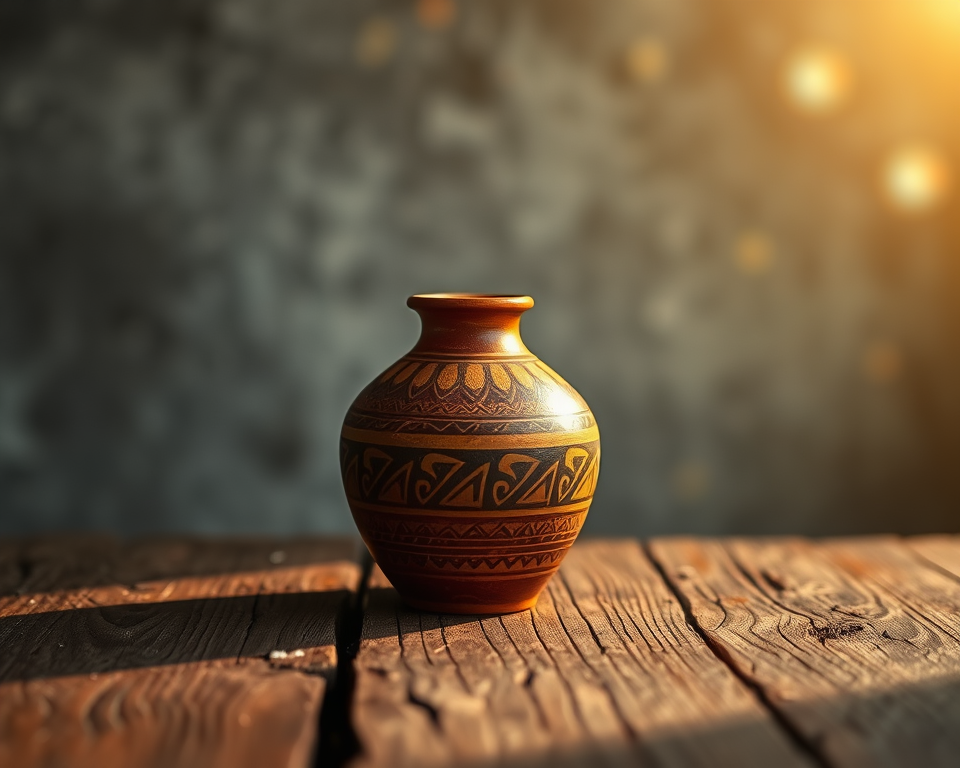
When I think about pottery, I’m reminded of all the stories that clay has whispered throughout history. It’s like each piece carries the echoes of the past, its intricate designs and forms shaped by culture, tradition, and skill. If you’re like me and have an insatiable curiosity about the world, understanding the different types of pottery across cultures can be a fascinating journey. So, grab your coffee, and let’s embark on this exploration together!
Table of Contents
- 1 Key Takeaways
- 2 The Historical Significance of Pottery
- 3 Major Cultures and Their Pottery Styles
- 4 Pottery Techniques and Materials
- 5 The Artistic Value of Pottery
- 6 Conclusion and Future of Pottery
- 7 Frequently Asked Questions
- 7.1 What is the significance of pottery in ancient cultures?
- 7.2 How did ancient pottery techniques influence modern ceramics?
- 7.3 What are some famous pottery styles from Africa?
- 7.4 How do different regions affect pottery-making materials?
- 7.5 What are the key differences between utilitarian and artistic pottery?
- 7.6 Why is sustainability important in modern pottery?
- 7.7 How can I start making pottery at home?
- 7.8 What role does pottery play in cultural storytelling?
- 7.9 How does pottery contribute to community identity?
- 7.10 Where can I learn more about global pottery traditions?
Key Takeaways
- Pottery is not just functional; it’s steeped in cultural significance, narrating the history of civilizations.
- Each region has its unique techniques and styles, making the world of ceramics richly diverse.
- Ancient methods are still influential today, merging tradition and modern innovation.
- The artistic value of pottery extends beyond utility, encompassing beauty and cultural identity.
- Understanding the materials and techniques opens up a world of possibilities for pottery enthusiasts and creators.
The Historical Significance of Pottery
You might be thinking, “Isn’t pottery just about making containers?” Well, not quite! Pottery is a window into the past, a tangible link to ancient civilizations and their daily lives. Take, for instance, the Mesopotamian culture, where pottery was used not only for storage but also religious and ceremonial purposes. Each artifact tells us about their societal structures, trade interactions, and even agricultural practices.
Understanding the history of pottery helps us appreciate its evolution. From the first crude clay pots shaped by hands around 29,000 BCE in what we now call the Czech Republic to the sophisticated glazes and techniques developed in ancient China, the journey is remarkable. These early pieces were more than mere containers; they were vital in preserving food and water, a necessity for survival.
Origin and Evolution of Pottery
Picture this: our ancestors, sitting around a fire, sculpting clay with their bare hands. It’s magical to think that pottery originated from the need to cook and store food. The evolution of pottery closely follows humanity’s own evolution—the development of agriculture fueled the demand for more refined vessels.
Ancient techniques varied widely. For example, in the long history of the Greek civilization, they mastered throwing techniques on a potter’s wheel, which allowed for more uniform shapes. Meanwhile, the Japanese developed intricate hand-building methods that emphasized artistry and connection to nature. It’s fascinating how geographical and cultural differences shaped distinctive pottery styles!
Major Cultures and Their Pottery Styles
Let’s take a look at some of the key cultures around the world and how their pottery styles have significantly influenced the craft.
European Pottery: From Majolica to Delftware
European ceramics are truly a mixed bag of stunning artistry. One of the standout styles is Majolica pottery from Italy, known for its vibrant, richly glazed earthenware. You can spot that beautiful tin-glazing technique from miles away, with its colorful patterns reflecting historical influences from Moorish Spain.
In the Netherlands, Delftware emerged in the 17th century, known for its striking blue-and-white designs inspired by Chinese porcelain. Authentic Delftware can be found at prices ranging from $20 for smaller pieces to several thousand for antiques—an investment well worth it if you appreciate intricate craftsmanship.
| Style | Origin | Key Features | Price Range |
|---|---|---|---|
| Majolica | Italy | Bright colors, tin glazes | $15 – $5,000+ |
| Delftware | Netherlands | Blue and white designs | $20 – $3,000+ |
| Stoneware | England | Durable, typically grey/brown | $10 – $1,000+ |
Asian Pottery: Chinese Porcelain and Beyond
When you think of Asian pottery, Chinese porcelain probably comes to mind. Dating back to as early as the Tang Dynasty (618–907 CE), porcelain represents sophistication and technical prowess. The famous blue-and-white porcelain is renowned globally, and you’re likely to pay a premium for genuine pieces—think $300 for a small bowl up to millions for rare antique items!
Japanese pottery also holds a significant place in history with styles like Raku, which focuses on the art of firing pottery in an open flame. This method brings about unique textures and glazes that can’t be replicated. It’s a wonderful blend of art and spirituality, with prices generally starting around $50 for basic pieces and shooting up for collectible works.
Pottery Techniques and Materials
Let’s chat about the techniques and materials that breathe life into clay. Understanding these elements is crucial for anyone wanting to appreciate or create pottery.
Traditional Techniques Used in Pottery Making
Hand-building techniques like coil, slab, and pinch methods have stood the test of time. They allow artists to express their individuality in each piece. For example, coil pottery is all about stacking and smoothing rolled-out pieces of clay, which opens up creative possibilities.
Throwing pottery on a wheel adds another dimension of skill and artistry. Shaping a pot while the wheel spins requires practice and finesse. I’ve seen beginners turn lumpy clay into beautiful vases in just a few sessions—it’s magic!
Modern Innovations in Pottery Techniques
Fast forward to contemporary times, where technology meets tradition. 3D printing is making waves in the pottery world, allowing for incredibly detailed designs that were once unimaginable. Plus, artists can experiment with glazes like never before—think metallic finishes and glow-in-the-dark effects!
Within the world of ceramics, the blend of traditional handcrafting with modern innovation captures the attention of both collectors and creators. You can find exciting new products that combine these two worlds, often priced between $30 to $200, depending on the intricacy.
The Artistic Value of Pottery
Don’t let anyone tell you pottery is just about functionality! There’s a profound artistry behind it that reflects personal and cultural narratives. For many artists, pottery serves as a canvas for emotional expression.
Aesthetics and Functionality in Pottery
There’s a delicate balance in pottery between form and function. For instance, consider the Japanese tea bowls used in tea ceremonies. They are not just about utility; they embody aesthetics, embodying wabi-sabi—the beauty of imperfection. Prices for these can vary widely, from budget-friendly options at around $20 to hundreds for handcrafted artisan pieces.
“Each piece tells a story, and in its flaws, you find its charm.”
The Role of Pottery in Cultural Expression
Pottery isn’t merely about shaping clay it’s a way for cultural storytelling. Think of Native American pottery—each design often holds a deeper meaning, representing heritage and community tales. By collecting such pieces, we’re keeping these narratives alive. Prices can range from $50 to several thousand dollars, depending on the artist and the intricacy of the work.
Conclusion and Future of Pottery
As we move toward the future, the pottery community is vibrant and evolving. From sustainability practices to pottery education, it’s clear that the spirit of clay craftsmanship is alive and kicking. As artists embrace modern techniques while honoring traditional practices, the possibilities seem endless.
So, there you have it—an exploration of pottery that not only highlights its diverse forms but also digs deep into the cultural essence intertwined with each piece. Whether you’re a curious beginner or an advanced enthusiast, I hope this journey sparks a newfound appreciation for the beautiful artistry of pottery!
Frequently Asked Questions
What is the significance of pottery in ancient cultures?
Pottery served as both functional vessels and artistic expressions in ancient societies. It was crucial for everyday activities such as storing food and cooking, while also reflecting cultural identity and beliefs. Archaeological findings often reveal societal values, trade practices, and social structures through unique pottery styles.
How did ancient pottery techniques influence modern ceramics?
Ancient techniques, such as hand-building and wheel-throwing, laid the groundwork for modern ceramic practices. Innovations like glazing and firing methods from historical periods continue to influence contemporary artists, merging traditional craftsmanship with modern aesthetics, enhancing both technique and artistic expression.
What are some famous pottery styles from Africa?
African pottery is rich with diversity, featuring styles like Zulu pottery from South Africa, known for intricate patterns, and the distinctive earthenware of the Dogon people from Mali. Each region reflects cultural symbolism and traditional practices, often incorporating natural pigments and unique shapes that convey stories or beliefs.
How do different regions affect pottery-making materials?
Geographic location provides specific materials that influence pottery styles. For instance, fine clay from riverbanks is abundant in some areas, while others may use sandy clay or local minerals for color. Understanding local resources enhances appreciation for regional pottery characteristics and craftsmanship techniques.
What are the key differences between utilitarian and artistic pottery?
Utilitarian pottery is designed for everyday use—think bowls and plates—while artistic pottery focuses on aesthetics and decoration, often not intended for functional use. This distinction highlights the balance between craftsmanship and creative expression in pottery-making.
Why is sustainability important in modern pottery?
Sustainability in pottery emphasizes eco-friendly materials and practices to reduce environmental impact. Artists are increasingly seeking ways to use recycled materials and local resources, fostering a more responsible relationship with nature while preserving traditional techniques for future generations.
How can I start making pottery at home?
Begin by gathering essential tools like clay, a rolling pin, and basic shaping tools. Start with air-dry clay for simplicity, or explore local classes for guidance. Online resources provide tutorials on hand-building and wheel-throwing techniques, allowing you to explore your creativity from home.
What role does pottery play in cultural storytelling?
Pottery often embodies cultural narratives and personal stories through design and symbolism. Many cultures use specific motifs that represent myths, historical events, or familial connections, making pottery not just a physical object but also a vessel carrying significant cultural messages.
How does pottery contribute to community identity?
Pottery fosters community bonds by reflecting local traditions, shared history, and collaborative craftsmanship. Pottery-making often brings together artisans, encourages cultural exchange, and supports local economies, thereby strengthening communal ties while celebrating regional diversity through unique styles.
Where can I learn more about global pottery traditions?
Exploring local museums, galleries, and workshops can provide insight into global pottery traditions. Many online resources, such as webinars and virtual museum tours, offer extensive information about regional styles and historical contexts, helping you connect with cultural pottery significance worldwide.
