
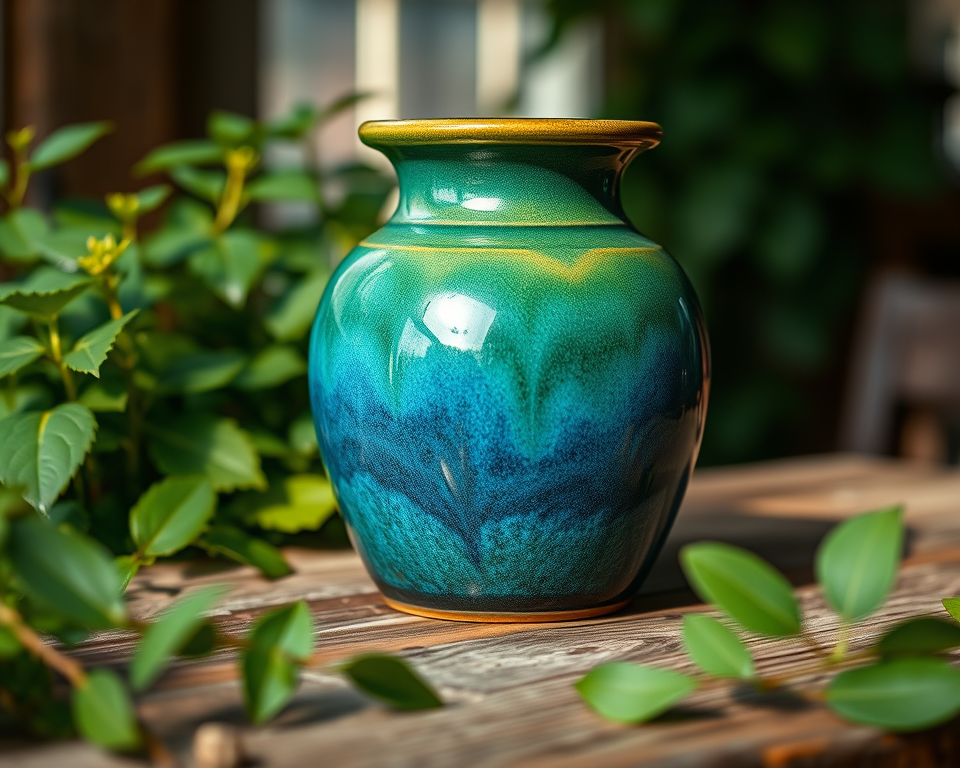
When I first stumbled upon Pewabic pottery, it felt like I was connecting with a piece of American history that had a touch of extraordinary elegance. The unique designs, vibrant colors, and the sheer craftsmanship drew me in. It wasn’t just pottery; it was art—an art form that tells stories of cultural heritage and embodies the spirit of Michigan. Whether you’re a passionate collector or just someone intrigued by ceramics, you’ll want to hang in here because I’m about to spill all the wonderful details surrounding Pewabic pottery.
Table of Contents
- 1 Key Takeaways
- 2 Historical Significance of Pewabic Pottery
- 3 Crafting Techniques and Characteristics of Pewabic Pottery
- 4 Notable Artists and Artisans in Pewabic Pottery
- 5 Care and Maintenance of Pewabic Pottery
- 6 Frequently Asked Questions
- 6.1 What is the historical significance of Pewabic Pottery in the context of American ceramics?
- 6.2 How did Mary Chase Perry Stratton contribute to the legacy of Pewabic Pottery?
- 6.3 What are the key clay and glazing techniques used in Pewabic Pottery?
- 6.4 How does Pewabic Pottery reflect the principles of the Arts and Crafts movement?
- 6.5 Who are some contemporary artists associated with Pewabic Pottery today?
- 6.6 What maintenance practices can help ensure the longevity of Pewabic Pottery pieces?
- 6.7 Are there any specific cultural events that celebrate Pewabic Pottery in Michigan?
- 6.8 How does Pewabic Pottery contribute to Michigan’s art scene today?
- 6.9 Can Pewabic Pottery pieces be customized for specific projects or designs?
- 6.10 What makes Pewabic Pottery’s aesthetics unique compared to other ceramics?
Key Takeaways
- Pewabic pottery was founded by Mary Chase Perry Stratton in Detroit, making a lasting impact on the American arts scene.
- Craftsmanship shines through its unique techniques, including distinctive glazes that give each piece character.
- Caring for Pewabic pottery isn’t just about maintenance; it’s about preserving a legacy that speaks of heritage and artistry.
- Many contemporary artisans carry forward the traditions while infusing their own styles, keeping the legacy alive.
Historical Significance of Pewabic Pottery
The Origins and Founding of Pewabic Pottery
Let’s talk about where all this began! Pewabic Pottery was founded by the amazing Mary Chase Perry Stratton in 1903 right in the heart of Detroit. Mary was a trailblazer in her own right, paving the way for what we recognize today as one of the cornerstone studios of American ceramics. Her goal wasn’t just to create pottery; she aimed to elevate pottery into an art form that celebrated the craftsmanship of the time. I can almost feel that burst of inspiration she must’ve felt while shaping those first pieces!
Pewabic Pottery is deeply rooted in the Arts and Crafts movement, which championed handcrafted artwork in a world increasingly moving towards industrialization. This movement was all about purposeful design and artistic expression, focusing on beauty in everyday items. It’s a legacy that has lived on in Pewabic’s distinctive style—truly a cultural heritage that speaks to craftsmanship.
The Influence of Arts and Crafts Movement
Oh, the influence of the Arts and Crafts movement! It stretched far and wide, influencing various artistic realms. One of the things I love about it is that this movement encouraged artists to take pride in their work, consorting with nature, and aiming for functional beauty. Mary’s integration of these principles into her ceramics created a design philosophy that is still relevant.
What’s fascinating is how this movement also promoted community engagement. Mary wasn’t just creating pots; she was building a community of artisans. Her commitment to craftsmanship galvanized other artists and potters in Michigan, paving the way for collaborative art scenes and a rich cultural tapestry. Imagine being part of this bustling environment, creating pieces that would entrust your legacy to future generations!
Crafting Techniques and Characteristics of Pewabic Pottery
Unique Characteristics of Pewabic Pottery
Each piece of Pewabic pottery tells a story through its unique characteristics. These aren’t your run-of-the-mill dishes; these are vibrant, textured marvels that demand admiration. What sets them apart? The glazes, textures, and surface designs play significant roles in defining the aesthetic.
I remember the first time I touched a Pewabic tile—it felt alive! The color utilization is particularly striking, with hues that draw inspiration from nature and local landscapes. One can instantly recognize a Pewabic piece by its signature look, which combines bold colors and intricate designs. The artistry is alive and resonant, making each piece feel special.
The Process of Creating Pewabic Pottery
Now, let’s dig into how these masterpieces are created! The process of making Pewabic pottery is as captivating as the final product. It starts with clay preparation, where artisans mix various materials to get the perfect texture. This isn’t just any clay; it’s hand-selected to ensure top-notch quality.
Next comes the shaping—this is where the magic begins! Artisans mold the clay into beautiful forms, sometimes throwing it on a potter’s wheel. After that, the real fun starts with glazing techniques. Pewabic’s signature glazes are what bring the pieces to life, creating those stunning colors that we love so much. This chemistry between clay and glaze is part of what gives Pewabic pottery its artistic craftsmanship.
Finally, the pieces are carefully fired in a kiln. It’s fascinating to think about how heat transforms raw clay into vibrant, usable art—it’s like a metamorphosis! Each step of this intricate process speaks to the dedication of the artisans behind the craft, who pour their soul into every creation, turning out pieces that fuse both functionality and beauty.
Notable Artists and Artisans in Pewabic Pottery
Celebrating the Artisans Behind Pewabic Pottery
Now, I can’t talk about Pewabic without gushing about the incredible artists who make it all happen. Over the years, many talented individuals have contributed to the legacy and traditions of Pewabic pottery. It’s genuinely inspiring to see how some contemporary artisans continue to push the boundaries of what Pewabic pottery can be, infusing fresh concepts while maintaining the core techniques.
One of the standout artists that I admire is the prolific ceramicist, Molly O’Brien. Her unique pieces breathe new life into traditional designs, creating pottery that honors the past while spotlighting her creative journey. Hearing her talk about her inspirations and the craftsmanship that goes into her work is like peeking into a fascinating world!
It’s not just about the aesthetics, either. These artisans often share personal narratives that reflect their cultural connections and the community at large. I find that a personal touch—whether it’s an artisan’s story or a little tidbit about the inspiration behind a piece—creates a deeper connection between the viewer and the artwork.
The Cultural Impact and Community Connection of Pewabic Pottery
Pewabic Pottery’s Role in Michigan’s Art Scene
When I think about Michigan’s rich arts scene, Pewabic pottery immediately springs to mind. It has a community-rooted essence that resonates with locals and visitors alike. This pottery symbolizes regional identity; it connects people to a shared culture and history, making it an integral part of Michigan’s artistic expression.
The local pride surrounding Pewabic pottery has led to collaborations among artists, galleries, and cultural institutions. Art exhibits showcasing handmade tiles and artistic collections create avenues for artistic collaboration, breathing life into Michigan’s vibrant community. It’s truly inspiring when you see how art can unite people, spark conversations, and celebrate local heritage.
The impact of Pewabic on the local art community is stellar—these pieces aren’t just collectibles; they’re landmarks in the story of Michigan’s artistic lineage. Whenever you see a Pewabic piece showcased, it feels like you’re experiencing a slice of history.
Care and Maintenance of Pewabic Pottery
Essential Tips for Maintaining Pewabic Pottery
As much as I love talking about art and creation, maintaining it is equally crucial—not just for functionality but for keeping that artistic legacy alive. Caring for your Pewabic pottery does require a little bit of attention, but don’t worry, I’m here to give you the lowdown!
First off, handling is key. Always be gentle while moving your pottery—no need to go all Hulk on it. When it comes to cleaning, stick to soft sponges and mild soap. Harsh chemicals can dull that beautiful glaze. You’ll want to give your pottery a light wipe instead of soaking it—water and prolonged exposure can sometimes play tricks on the surface finish.
Here’s a handy tip—if you have tiles, especially ones used in kitchens or bathrooms, consider sealing them following your cleaning routine. This way, you preserve that gorgeous finish while staving off any stains.
Also, if you’re lucky enough to own a beautifully crafted bowl or vase, try to keep it out of direct sunlight; long exposure can cause colors to fade over time. It’s always smart to display your pieces in ways that revel in their beauty while keeping them protected. I think of it as showing the love they deserve!
Care Chart for Pewabic Pottery
| Care Practice | Recommendation | Notes |
|---|---|---|
| Cleaning | Soft sponge with mild soap | Avoid soaking; light wipe only |
| Handling | Gentle; avoid drops | Be cautious with edges |
| Display | Out of direct sunlight | Protects colors from fading |
| Sealing (Tiles Only) | Use sealant post-cleaning | Preserves finish and prevents stains |
When you put a little effort into care and maintenance, you’re not just ensuring that those beautiful pieces stay intact; you’re preserving a legacy! It’s about the emotional connection you foster with each piece and the stories they continue to tell through generations.
Within these stunning works lies a vibrant tapestry of artistic dedication, community, and heritage that reshapes our understanding of what pottery can be. So the next time you admire a work of Pewabic pottery, know that it’s not just a ceramic piece; it’s a symphony of history, craftsmanship, and soul.
Frequently Asked Questions
What is the historical significance of Pewabic Pottery in the context of American ceramics?
Pewabic Pottery is significant as a leader in the Arts and Crafts movement in America, emphasizing handmade ceramics and decorative arts. Founded in Michigan, it nurtured local craftsmanship and helped establish a unique cultural identity. The studio has influenced pottery design and technique in the early 20th century, which continues to resonate today.
How did Mary Chase Perry Stratton contribute to the legacy of Pewabic Pottery?
Mary Chase Perry Stratton was a pioneering ceramic artist and co-founder of Pewabic Pottery. Her innovative glazes and unique designs helped define the studio’s aesthetic. Stratton’s commitment to craftsmanship and education in pottery has influenced generations of artisans and enriched Michigan’s cultural heritage.
What are the key clay and glazing techniques used in Pewabic Pottery?
Pewabic Pottery employs specific techniques such as slip-casting, hand-throwing, and intricate glazing methods that involve layering and natural minerals. These techniques contribute to the pottery’s distinctive textures and colors, enhancing its artistic appeal.
How does Pewabic Pottery reflect the principles of the Arts and Crafts movement?
Pewabic Pottery embodies the Arts and Crafts movement by valuing handmade quality, craftsmanship, and local materials. The studio’s emphasis on artistry over industrialization reflects a broader cultural push for authentic, meaningful art that connects with communities.
Who are some contemporary artists associated with Pewabic Pottery today?
Today, Pewabic Pottery features a range of contemporary artists who continue to push the boundaries of ceramic art. These artists often blend traditional techniques with innovative ideas, maintaining the studio’s legacy while exploring new forms and styles.
What maintenance practices can help ensure the longevity of Pewabic Pottery pieces?
To maintain Pewabic Pottery, handle pieces gently, avoid harsh chemicals during cleaning, and store them in a safe place. Regular dusting and using a damp cloth for cleaning can preserve their appearance and prevent damage.
Are there any specific cultural events that celebrate Pewabic Pottery in Michigan?
Yes, Pewabic Pottery hosts various cultural events, workshops, and exhibitions that celebrate its heritage and connect the community. These events often feature artist talks, demonstrations, and collaborative projects that engage the public in the art of ceramics.
How does Pewabic Pottery contribute to Michigan’s art scene today?
Pewabic Pottery remains a vital part of Michigan’s art scene by offering educational programs, exhibitions, and collaboration opportunities for local artists. The studio promotes regional arts and crafts, strengthening community ties and cultural engagement.
Can Pewabic Pottery pieces be customized for specific projects or designs?
Yes, Pewabic Pottery offers custom design services for individuals and businesses. Clients can work with skilled artisans to create unique pieces that suit their specific aesthetic or functional needs, making Pewabic’s artistry accessible for various settings.
What makes Pewabic Pottery’s aesthetics unique compared to other ceramics?
Pewabic Pottery is known for its vibrant colors, rich textures, and distinctive surface designs, often inspired by nature and local heritage. The use of innovative glazes and the commitment to handcrafting each piece contribute to its unique aesthetic and appeal.
