
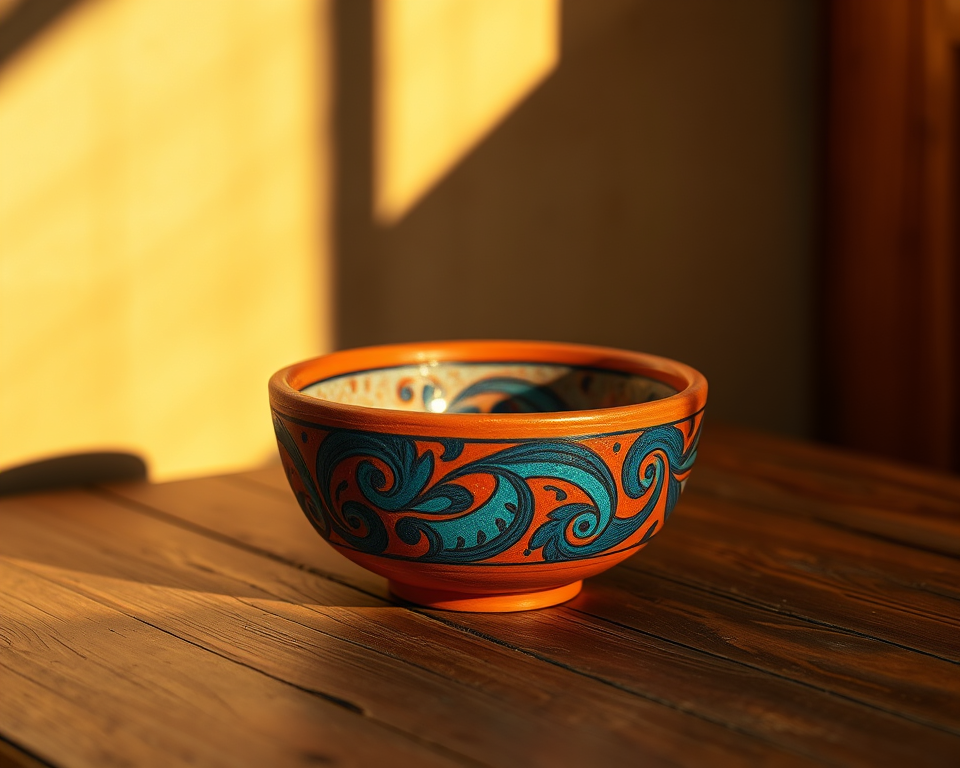
I remember my first encounter with pottery; it was a small, vibrant bowl adorned with intricate patterns at a local artisan fair. I couldn’t help but be captivated by it. The vibrant colors, the unique design, and the very essence of clay that told stories of traditions and cultural nuances from somewhere far away. Pottery isn’t just about what you see; it’s packed with themes, symbolism, and history. So, if you’ve been searching for a deeper understanding of pottery’s cultural significance or just curious about the stories baked into those ceramic pieces, you’re in the right place.
When it comes to pottery, trust me, it’s way more than just clay and a wheel. I mean, think about it: every curve and color has a tale to tell. Let’s unravel these stories together!
Table of Contents
- 1 Key Takeaways
- 2 Historical and Cultural Context of Pottery
- 3 Common Symbols Found in Pottery Across Cultures
- 4 Analyzing the Spiritual Significance of Pottery
- 5 Personal Reflections and Modern Insights on Pottery
- 6 Comparative Analysis of Pottery Across Cultures
- 7 Frequently Asked Questions
- 7.1 What are some unique pottery techniques from lesser-known cultures?
- 7.2 How does pottery reflect cultural storytelling?
- 7.3 What are some modern interpretations of traditional pottery symbols?
- 7.4 Are there any environmental concerns associated with pottery production today?
- 7.5 How can I learn about pottery practices in my local community?
- 7.6 What role does pottery play in contemporary art movements?
- 7.7 Can you explain the significance of clay in various spiritual contexts?
- 7.8 What are the common challenges faced by pottery artisans today?
- 7.9 How can pottery be used in community-building efforts?
Key Takeaways
- Pottery offers profound insights into cultural heritage and personal narratives across the globe.
- Common symbols in pottery can shed light on spiritual beliefs and social practices.
- Exploring lesser-known pottery traditions can reveal unique cultural expressions and meanings.
- Engaging with artisans provides a fresh perspective on the craft, highlighting the human touch behind each piece.
- Pottery continues to evolve, reflecting contemporary issues and cultural dialogues in modern society.
Historical and Cultural Context of Pottery
When I think about the origins of pottery, it takes me way back to prehistoric times. Imagine the excitement in those ancient communities as they shaped clay into vessels for food, storage, and ritual. Pottery is basically one of humanity’s oldest crafts! Each piece tells its own story, etched in the clay.
The Origins of Pottery in Different Cultures
The roots of pottery extend deep into the soil of various cultures. From the Mesopotamian ceramics dating back to 14,000 BC to Chinese pottery, known for its exquisite craftsmanship, every region has its own origin stories.
- In ancient civilizations, pottery’s role was multifunctional. It wasn’t merely about aesthetics; it helped in daily life. Indigenous pottery techniques often used local materials, leading to distinctive styles reflecting their heritage. So, whether it’s the minimalist designs of Japanese Mizusashi or the colorful patterns of Native American pottery, the charm lies in their uniqueness and storytelling prowess.
Here’s a quick look at the timeline of significant pottery traditions:
| Civilization | Era | Noteworthy Styles |
|---|---|---|
| Prehistoric Era | ~14,000 BC | Figurines, utility wares |
| Mesopotamia | 5,000 BC | Ornamented vessels |
| Ancient China | 3,000 BC | Porcelain, celadon |
| Ancient Greece | 800 BC | Black-figure, red-figure |
| Native America | Varies by tribe | Southwestern pottery |
The Evolution of Pottery Symbols
As time rolled on, pottery designs evolved, reflecting cultural adaptations and artistic expressions. The symbolism evolution is fascinating; what started as simple decorative scratches became complex iconographies.
In essence, symbols in pottery not only convey beauty but also weave significant narratives. For instance, the spiral symbol in Māori ceramics represents the journey of life and the connection to their ancestors. Isn’t that a beautiful way to capture an identity through art?
In my pursuit of understanding, I’ve realized that ceramic symbols shift based on cultural beliefs and societal changes. Artistic expressions aren’t static; they evolve, just like we do. It’s all part of the cultural tapestry that makes pottery a living, breathing art form.
Common Symbols Found in Pottery Across Cultures
So, let’s chat about common symbols you might find in pottery. Have you ever paused to consider what those unique designs can mean? Each symbol holds meaning. For example, the Lotus flower signifies purity in many Asian cultures, while geometric patterns in African pottery often represent community and connection.
Examples of Pottery Symbols from Various Cultures
Here’s where it gets really exciting! Here’s a peek at some recognizable pottery symbols:
African Pottery Designs: Often vibrant with earth tones, symbols may include animal motifs which represent tribal stories and cultural beliefs. For example, the Lizard motif is believed to bring strength and stability.
Native American Pottery Symbols: Designs may include the Thunderbird, symbolizing power and protection. Each tribe has its own interpretations tied to their unique narratives.
Asian Ceramic Symbols: The double happiness symbol in Chinese pottery embodies marital bliss, often seen during wedding celebrations.
Here’s a handy table showing a couple of symbols from these regions, followed by their meanings:
| Culture | Symbol | Meaning |
|---|---|---|
| African | Lizard motif | Strength and stability |
| Native American | Thunderbird | Power and protection |
| Chinese | Double happiness | Marital bliss |
Analyzing the Spiritual Significance of Pottery
Pottery is not just about art; it’s also entwined with spiritual practices. In many cultures, clay holds deep symbolic meanings.
Spiritual Pottery Practices
For example, amongst the Indigenous peoples of the Americas, pottery is often integral to rituals. The act of creating pottery is viewed as a spiritual experience, where artisans channel their ancestors’ spirits. The clay is a connection to the earth, breathing life into the designs that carry their stories.
During ritualistic pottery uses, individuals might craft specific pieces meant for offerings, like in ceremonies celebrating harvests or honoring deities. Take the Caddo Nation in the U.S. Their traditionally handcrafted pots are used not just for practical purposes but also to carry the weight of cultural significance during community rituals.
In exploring pottery in religious ceremonies, the tactile nature of clay becomes a medium for profound expression. The symbolic meanings attached to various pottery forms resonate deeply with belief systems.
Personal Reflections and Modern Insights on Pottery
Now, let’s switch gears a bit and talk about how pottery resonates personally. Art isn’t just about the final product; it’s about the journey and the personal stories tied to it.
Personal Pottery Stories
Do you have a meaningful ceramic piece at home? I do—a quirky mug my friend made! Every time I use it, I’m reminded of our fun night in the studio trying to throw pots.
What I’ve found is that contemporary ceramic artists often infuse personal narratives into their work. They create pieces that speak volumes about their identities and cultural backgrounds. The emotional connections people forge with pottery defy generations. When I hold my friend’s mug, it’s not just functional; it’s a part of our shared experiences.
Artisans’ Perspectives on Pottery
Engaging with talented artisans reveals fascinating perspectives on the craft. I once chatted with a potter who opened up about the personal significance behind her work. In her mind, every piece she created was a chance to connect intimately with her community. It was about weaving together stories, experiences, and emotions through clay.
The insights I gathered during our conversation illuminated how craftsmanship carries the weight of cultural traditions. Each artisan’s journey unveils the challenges and joys of pottery-making, showcasing the passion that pulses through the art.
“Pottery isn’t just an art for me; it’s a lifeline to my ancestors. Each piece carries their spirit.”
That string of wisdom resonates deeply and emphasizes the community and story weaving through each handmade piece.
The Role of Pottery in Contemporary Culture
Speaking of stories, pottery has evolved, pushing boundaries and reflecting contemporary issues. The art world today recognizes pottery not just as a craft but as an expressive modern art form. It speaks volumes; art lovers and collectors crave pieces that bridge personal and societal narratives.
Modern pottery movements focus increasingly on sustainability and community dialogue. This aligns with a broader cultural climate advocating for sustainable practices. I’m all for eco-friendly art! Just think of brands like Sarah P’s Ceramics that offer products made from recycled materials, merging aesthetics with responsibility. Plus, many artisans are now promoting communal workshops, ensuring that the craft passes on while drawing people together.
Here’s a neat exploration of pottery’s modern relevance, emphasizing cultural dialogues:
| Contemporary Themes | Example Artisans | Significance |
|---|---|---|
| Sustainability | Sarah P’s Ceramics | Eco-conscious creations |
| Community Engagement | Local potters in community workshops | Fostering connections through art |
| Cultural Narratives | Artisans reflecting social issues | Raising awareness through storytelling |
Comparative Analysis of Pottery Across Cultures
Oh boy, here’s where things get spicy! As we explore the comparative analysis of pottery across cultures, we get to see the beautiful mosaic of human expression.
Similarities and Differences in Pottery Symbols
It’s fascinating how different cultures interpret similar themes. For instance, the motif of the circle appears in ceramics worldwide, symbolizing unity and eternity. Yet, the specific designs and contexts differ widely, resonating with unique cultural narratives.
Here’s a breakdown of some comparative insights:
| Symbol | Culture | Interpretation |
|---|---|---|
| Circle | Global | Unity, eternity |
| Spiral | Māori | Life journey, ancestors |
| Zigzag | Native American | Water, fertility |
By bringing together these interpretations, it becomes clear that while our vessels may look different, they often contain similar values and themes.
Lesser-Known Pottery Traditions and Their Meanings
Now, let’s shine a light on some lesser-known pottery traditions. Did you know that Papua New Guinea showcases unique pottery styles that reflect tribal narratives? Their artwork often tells stories about the natural world and the spirit realms, using clay as a conduit for communication.
Another underrepresented practice comes from the Kurdish communities in the Middle East, where pottery integrates traditional patterns illustrating their culture’s rich history and nomadic spirit. Enjoying or collecting such pieces opens a gateway to understanding these cultures beyond the visible.
Here’s a quick look at some obscure pottery styles and what they signify:
| Culture | Pottery Style | Significance |
|---|---|---|
| Papua New Guinea | Tribal pottery | Connection to nature and spirits |
| Kurdish | Traditional pottery | Heritage and nomadic roots |
As we weave through these insights, the essence of pottery emerges as a representation of human connections—an intimate portrayal of our cultures, beliefs, and experiences set in clay.
In every piece of pottery, there’s a heartbeat—a pulse of the maker, the culture, and the stories that extend through time. So next time you hold a mug or admire a decorative bowl, pause and reflect. Each item may hold echoes of ancient wisdom that links us all.
Frequently Asked Questions
What are some unique pottery techniques from lesser-known cultures?
Many lesser-known cultures utilize distinct pottery techniques that reflect their environment and resources. For instance, the Mesoamerican cultures practiced coiling, while the Berber people in North Africa often employ the burnishing technique. These methods are deeply rooted in their cultural identity and heritage, exemplifying their unique artistic expressions.
How does pottery reflect cultural storytelling?
Pottery serves as a medium for cultural storytelling by incorporating motifs that convey historical events, myths, or social values. For example, Native American pottery often features symbols that represent spiritual beliefs or stories from nature, acting as visual narratives that preserve cultural heritage across generations.
What are some modern interpretations of traditional pottery symbols?
Contemporary ceramic artists frequently reinterpret traditional pottery symbols by infusing personal or political messages into their designs. This evolution might include abstract representations of age-old symbols or the use of modern materials and techniques to convey themes relevant to current societal issues, expressing a dialogue between past and present.
Are there any environmental concerns associated with pottery production today?
Yes, modern pottery production can raise environmental concerns, particularly regarding the sourcing of clay and glazes. Some processes may contribute to deforestation or pollution. However, many contemporary artists are focused on sustainable practices, using local materials, eco-friendly glazes, and techniques that minimize waste, promoting environmental responsibility in the craft.
How can I learn about pottery practices in my local community?
To explore local pottery practices, consider visiting art galleries, pottery studios, and craft fairs in your area. Joining workshops or community classes can connect you with artisan networks and provide hands-on experience. Additionally, local art organizations and cultural places often host events focusing on traditional and contemporary pottery.
What role does pottery play in contemporary art movements?
Pottery has become increasingly recognized as a legitimate form of contemporary art, often displayed in galleries alongside other artistic mediums. Artists use ceramic forms to challenge traditional aesthetics, explore new concepts, and engage with viewers on cultural or social issues, asserting pottery’s place in the modern art narrative.
Can you explain the significance of clay in various spiritual contexts?
Clay holds deep spiritual significance in many cultures, often viewed as a symbol of creation and transformation. For instance, in some Indigenous beliefs, clay is considered sacred, used in rituals and offerings. Its tactile nature and connection to the earth symbolize the human relationship with nature and the divine.
What are the common challenges faced by pottery artisans today?
Pottery artisans often face challenges such as competition from mass-produced ceramics, rising material costs, and declining interest in traditional crafts. Additionally, preserving ancient techniques while adapting to modern market demands poses a significant challenge. Many artisans are innovating while staying true to their cultural lineage to overcome these obstacles.
How can pottery be used in community-building efforts?
Pottery can foster community by bringing individuals together for collaborative projects and workshops. These shared experiences promote cultural exchange, help preserve traditional practices, and can even address social issues by creating a sense of belonging and identity among participants, enriching community ties through art.
