
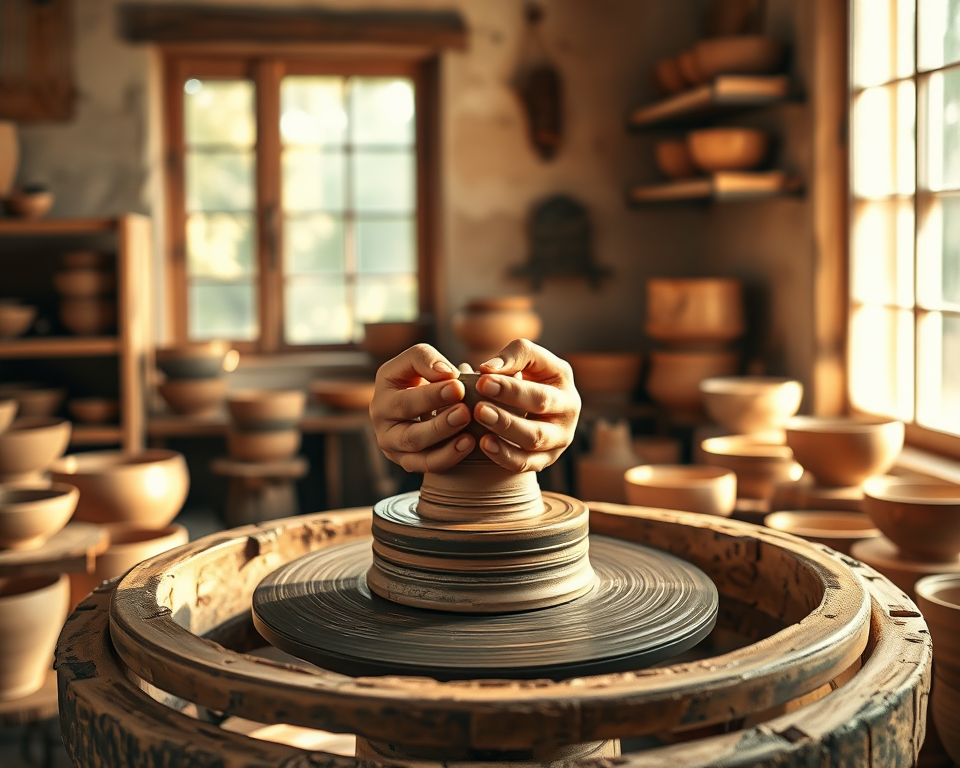
When I first dipped my toes into the world of pottery, I remember feeling excited yet a little overwhelmed. I mean, where do you even start? There’s this alluring magic in shaping clay into beautiful forms, but there’s also a mountain of info to sift through about the right tools and techniques. But don’t worry, I’ve got your back! In this guide, I’ll share everything you need to know to kick off your pottery journey, from essential tools to safety tips and even a little peek into the rich history of this art form.
Table of Contents
- 1 Key Takeaways
- 2 Pottery Basics: Understanding the Craft
- 3 Essential Tools for Beginners
- 4 Safety Precautions in Pottery Making
- 5 Exploring the History of Pottery
- 6 Community and Resources for Beginners
- 7 Frequently Asked Questions
- 7.1 What is the difference between earthenware, stoneware, and porcelain?
- 7.2 How can I properly store my pottery tools?
- 7.3 What types of clay should beginners use for pottery?
- 7.4 What are some common glazing mistakes beginners should avoid?
- 7.5 How can I ensure my pottery studio is safe and healthy?
- 7.6 What are some techniques for advanced pottery crafting?
- 7.7 How can I find inspiration for my pottery projects?
- 7.8 What role does community play in pottery learning?
- 7.9 How do I choose the right pottery classes for my skill level?
Key Takeaways
- Start Simple: Begin with the basic tools before moving on to advanced equipment.
- Safety First: Don’t skimp on safety gear—it’s crucial for a fun and injury-free experience.
- Community Counts: Engaging with pottery classes and online forums enriches your learning.
- Have Fun: Don’t take it too seriously; let your creativity flow and enjoy the process!
Pottery Basics: Understanding the Craft
What is Pottery?
Pottery is the art of shaping and firing clay into functional and aesthetic objects. Think of it as an ancient practice that stands the test of time, right? It’s super versatile, too! From plates and bowls to intricate vases, pottery boasts a wide range of styles and techniques. Whether you go for functional ware or decorative pieces, the joy of molding clay is vast.
Getting a grasp of pottery fundamentals helps you to appreciate the craft, but understanding the various types is a must. You’ve got hand-built pottery, thrown pottery (that’s what the pottery wheel is for!), and more. Each has its own quirks and specialties.
Key Techniques in Pottery Making
When it comes to techniques, they can be broadly categorized. You could opt for hand-building, which is fabulous for beginners. Techniques like pinching, coiling, and slab construction allow for creativity without needing fancy equipment. On the flip side, if you want speed and finesse, wheel throwing is your jam. Both methods come with their learning curves, so no need to rush into anything until you feel comfy.
And let’s not forget glazing! Once your pottery is formed and fired, glazing is where the magic happens. It’s all about adding color and texture while sealing your piece. Just a heads-up: the firing methods you choose (kona or raku, anyone?) can completely change your end product!
Essential Tools for Beginners
Alright, let’s talk tools. Here’s the thing—with pottery, you really don’t need to break the bank. If you’re just starting, invest in some essentials that’ll make your life easier.
Creating Your Pottery Toolkit
Here’s a starter pack for any newbie potter:
Potter’s Wheel: A good entry-level option is the Brent Model B Wheel, priced around $700. It’s sturdy, reliable, and perfect for beginners. Another affordable choice is the Shimpo Aspire, which hovers around $400.
Clay: You’ll want to try Stoneware Clay; it’s forgiving and works beautifully for various projects. Expect to pay about $30 for a 25-pound bag.
Basic Hand Tools: You can grab a pottery tool kit from companies like Sculpture House for around $25, which will include all sorts of handy tools like ribbon tools, needles, and scrapers.
Glazing Supplies: For beginners, I recommend Duncan’s ready-to-use glazes. You can get a set of different colors for around $30. It’s easy to apply and perfect for bringing your creations to life!
Sponge: Having a good sponge is underrated! It helps in smoothing things out. A pack of natural sea sponges costs about $10.
Here’s a quick table to summarize some of these essential tools:
| Tool | Brand/Model | Price | Description |
|---|---|---|---|
| Potter’s Wheel | Brent Model B | $700 | Sturdy and reliable for beginners |
| Clay | Stoneware Clay | $30 | Great for hand-building and wheel throwing |
| Basic Hand Tools Kit | Sculpture House | $25 | Includes essential clay shaping tools |
| Glazing Supplies | Duncan’s Glazes | $30 | Ready-to-use, vibrant colors |
| Sponge | Natural Sea Sponges | $10 | Ideal for smoothing and cleaning |
Additional Tools for Advanced Techniques
Once you’ve got the basics down, you might want to venture into more advanced territory. Raku pottery, for instance, is a shared experience that comes with its own set of tools, making it super fun and communal. You’ll need a raku kiln (affordable options can be found for about $400) and raku-specific glazing materials.
Finishing tools also make a big difference. A nice finishing tool kit from Kemper can be found for around $20, designed to smooth out and refine those edges. As you progress, specialty pottery tools can help unleash your creative potential.
Safety Precautions in Pottery Making
Let’s keep it real—clay and glazes can be messy! I can’t stress enough how important it is to think about safety.
Essential Safety Gear for Potters
You wouldn’t go skydiving without a parachute, right? Same goes for pottery. Here’s what you should consider:
Dust Masks: A simple mask is essential when handling dry clay and glazes. Look for something like the 3M Respirator, which runs around $30.
Protective Eyewear: You don’t want a glaze mishap ruining your eyes! Grab an inexpensive pair, which should not set you back more than $10.
Gloves: Invest in some decent Nitrile gloves. They’re both durable and comfortable, costing about $15 for a box of 100.
Proper Ventilation and Workspace Setup
Ensure your workspace is set up for comfort and functionality. A ventilated area helps to eliminate dust and fumes from glazes, keeping your environment safe.
If you can, set up your studio near a window or invest in an air purifier to maintain fresh air circulation. Natural light does wonders for creativity too! Trust me, you want a dust-free workspace where you can clear your mind and create.
Exploring the History of Pottery
Did you know pottery goes all the way back to around 29,000 B.C.? That’s a hefty timeline filled with fascinating stories!
Different Cultures and Their Pottery Styles
The beauty of pottery is that it varies wildly from culture to culture. For example, Japanese raku pottery emphasizes simplicity and the beauty of imperfection, while the vibrant styles from the Southwest U.S. showcase the rich traditions of Native American tribes.
As you learn, take some time to explore these different cultural styles. It can profoundly influence your own work and open your creative horizons. Plus, it’s a terrific conversation starter during pottery classes!
Modern Innovations in Pottery
Fast forward to today, and pottery has taken some pretty cool turns with modern technology. Thanks to CNC machines and 3D printing, you can create intricate designs that were once challenging to achieve by hand.
Also, eco-friendly practices are on the rise—think of clay that’s free from harmful substances and sustainable glazing options. The future of pottery is all about balancing tradition with innovation.
Community and Resources for Beginners
One thing I love about pottery is the sense of community that surrounds it. You’re never alone in your creative journey!
Finding Pottery Classes and Workshops
Local pottery classes are a goldmine for both learning and meeting awesome people. Websites like Eventbrite or even local community centers usually have listings for pottery courses. Expect to pay anywhere from $150 to $300 for a multi-week class. It’s worth the investment!
Engaging in Pottery Communities
Online forums and social media groups also open up a world of support—like Facebook Groups or sites like Reddit’s r/pottery community. You can ask questions, share your pieces, and get feedback from seasoned potsmiths!
I mean, who wouldn’t want to share their latest mug design or swap tips on mastering the perfect glaze? Pottery is all about collaboration, and getting involved in these communities adds a beautiful layer to your journey.
With this knowledge, you’ll walk into the pottery studio with confidence, knowing just what you need to create masterpieces. Let your imagination run wild!
Frequently Asked Questions
What is the difference between earthenware, stoneware, and porcelain?
Earthenware is a low-fire clay known for its porous qualities and vibrant colors. Stoneware, a mid- to high-fire clay, is denser and more durable, making it ideal for functional pottery. Porcelain, a high-fire clay, is known for its translucency and strength, often used for fine items. Each type offers unique characteristics suited for various pottery techniques.
How can I properly store my pottery tools?
To ensure longevity, store pottery tools in a dry, organized manner. Use a toolbox or dedicated drawer to prevent tools from getting damaged. Keep hand tools separated to avoid scratching and ensure that sharp tools have protective covers. Regularly clean your tools to prevent residues from hardening, which can impair their function.
What types of clay should beginners use for pottery?
Beginners should start with earthenware or stoneware clay. Earthenware is forgiving, easy to work with, and ideal for hand-building. Stoneware, while a bit more challenging, offers durability and a smooth texture. Avoid porcelain initially, as it requires more skill and precision to handle.
What are some common glazing mistakes beginners should avoid?
Common glazing mistakes include applying too much glaze, which can lead to drips, or not applying enough, resulting in uneven coverage. Always shake your glaze container before use, and test the glaze on a small piece first to see how it interacts with the clay. Proper kiln firing procedures are critical to achieving successful glazing results.
How can I ensure my pottery studio is safe and healthy?
To maintain a safe pottery studio, ensure proper ventilation to disperse dust and fumes. Always wear protective gear, including gloves and masks, when handling materials. Keep the workspace clean to avoid accidents, and use non-toxic materials whenever possible. Regularly check for ergonomic setups to prevent strain.
What are some techniques for advanced pottery crafting?
Advanced pottery techniques include raku firing, slip casting, and sgraffito. Raku involves removing pots from the kiln while hot for a unique firing effect. Slip casting uses plaster molds to create intricate shapes, while sgraffito employs carving through a slip layer to reveal clay color beneath. These methods allow for creative expression once basic skills are mastered.
How can I find inspiration for my pottery projects?
Inspiration can come from various sources such as nature, art history, or cultural pottery styles. Joining pottery groups or attending exhibits can spark ideas. Additionally, exploring online platforms like Pinterest or Instagram provides a wealth of visual inspiration. Don’t hesitate to experiment with different techniques to develop your unique style.
What role does community play in pottery learning?
Pottery communities provide support through shared experiences, feedback, and collaboration. Participating in local workshops or online forums enhances learning and encourages skill development. Networking with fellow potters can lead to opportunities for group projects, exhibitions, and access to resources that may not be available individually.
How do I choose the right pottery classes for my skill level?
When selecting pottery classes, consider your current skill level and interests. Look for beginner courses if you’re just starting, or seek intermediate classes if you have some experience. Check reviews or testimonials and inquire about the instructor’s qualifications. Many studios offer a trial class, which can help you find the right fit before committing.
