
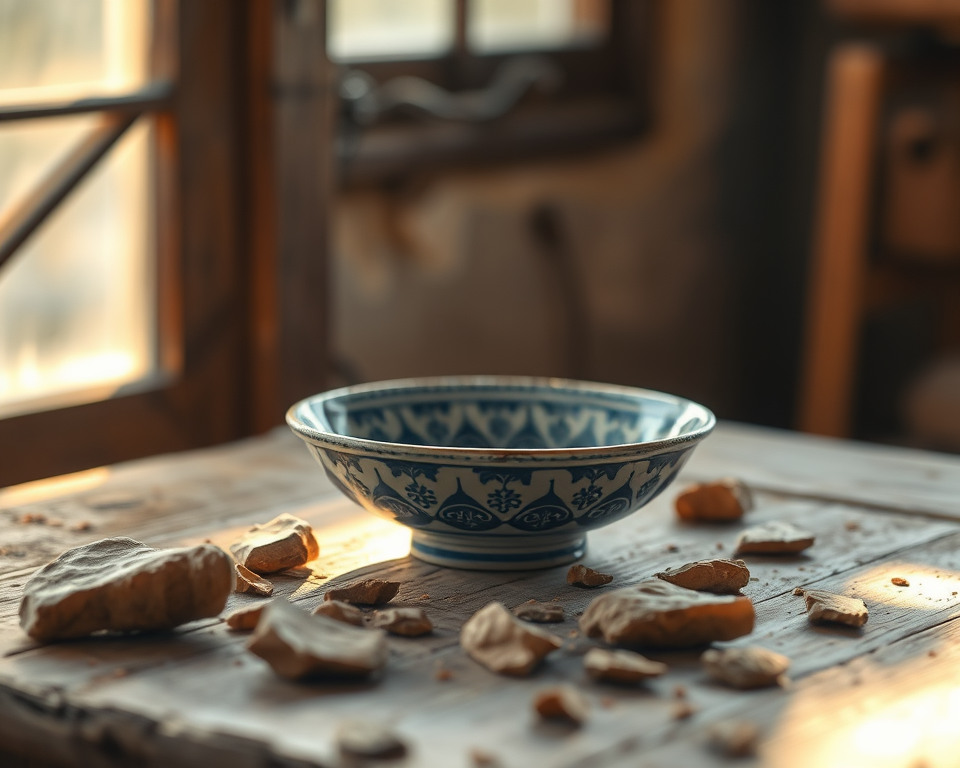
Ever find yourself staring at a beautiful piece of pottery and wondering about its story? You’re not alone! I’ve spent countless hours entangled in the world of pottery and archaeology, and let me tell you, it’s like peeking through a window into ancient lives. As I explore the significance of pottery in archaeology, I’ll reveal why these ceramic artifacts are not just pretty objects but pivotal keys to understanding ancient cultures. If you’ve ever wanted to know what pottery reveals about our past, you’re in for a treat!
Table of Contents
- 1 Key Takeaways
- 2 The Importance of Pottery in Archaeology
- 3 Types of Pottery in Archaeological Research
- 4 Methods of Pottery Analysis in Archaeology
- 5 What Pottery Reveals About Ancient Cultures
- 6 Recent Discoveries and Advancements in Pottery Studies
- 7 Frequently Asked Questions
- 7.1 What is the significance of pottery in understanding ancient trade networks?
- 7.2 How can pottery help us learn about social hierarchies in ancient cultures?
- 7.3 What are some common methods used to date pottery artifacts?
- 7.4 Can pottery analysis contribute to environmental research?
- 7.5 What role does pottery play in cultural identity studies?
- 7.6 Are there specific technologies used to analyze pottery more effectively today?
- 7.7 How has the understanding of pottery’s functional roles changed over time?
- 7.8 What preservation techniques are recommended for pottery artifacts?
- 7.9 How do regional variations in pottery reflect cultural diversity?
Key Takeaways
- Pottery serves as a historical record, revealing insights about ancient societies and their daily lives.
- Types of pottery vary widely, from functional cooking vessels to decorative pieces, each with its unique significance.
- Advanced analytical techniques help archaeologists understand pottery’s role in trade, culture, and social dynamics.
- Recent advancements in technology have opened new doors for pottery analysis, making it an exciting field.
- Cultural stories come alive through pottery, connecting us to our ancestors in profound ways.
The Importance of Pottery in Archaeology
Let’s kick things off by chatting about what makes pottery such a big deal in the world of archaeology. Pottery isn’t just a bunch of clay shaped into bowls or mugs; it’s a treasure trove of cultural significance. These artifacts can tell us everything from the everyday practices of ancient peoples to their social structures and trade networks. When we think about the importance of pottery, we’re really talking about a way to piece together the mosaic of human history.
Defining Pottery in Archaeological Terms
So, what exactly do we mean by “pottery”? In archaeological terms, pottery refers to the ceramic materials crafted by humans—think earthenware, stoneware, and porcelain made from clay. The process of creating pottery dates back thousands of years, and it reflects the crafting techniques and materials available during different eras.
The beauty of pottery lies in its typology. Archaeologists classify pottery based on its physical characteristics—shape, size, and decoration—all of which provide glimpses into the lives of ancient people. For example, functional pottery like cooking pots tells us about the cooking habits, while decorative pottery may reveal something about aesthetic values or religious beliefs.
Historical Context of Pottery Discoveries
Pottery wasn’t just created in a vacuum. The historical context of pottery discoveries opens a window into different civilizations. From prehistoric times to ancient Greece and beyond, pottery has evolved alongside its makers.
Let’s take a stroll down memory lane. Imagine the vibrant landscapes of ancient Mesopotamia, where pottery was integral to daily life. The timeline of pottery reflects technological advancements and cultural shifts. For instance, the introduction of the potter’s wheel not only improved efficiency but also allowed for more intricate designs, influencing how communities interacted with one another.
“Pottery acts as a mirror reflecting the complexities of ancient societies.”
Types of Pottery in Archaeological Research
Now that we’re all warmed up, let’s explore the various types of pottery that archaeologists come across. These aren’t just random categories—they tell stories about how people lived, worked, and communicated.
Common Pottery Types and Their Uses
Functional pottery is where it’s at! Think about it: cooking vessels, storage pots, even ceremonial items all played critical roles in everyday life. Below are just a few examples of common pottery types you might stumble upon during digs:
- Cooking Pottery: Essential for meal preparation, these vessels tell us about cooking methods.
- Storage Pots: These larger, sometimes decorated vessels were used to store grains and other food items, shedding light on resource management.
- Ritual Pottery: Often elaborately decorated, these items played a significant role in religious practices or ceremonies.
The styles can be as diverse as the cultures they come from. Different societies used unique techniques and materials that reveal where they were positioned geographically and economically.
Case Studies of Key Pottery Discoveries
One of the coolest parts about exploring pottery is learning about significant findings during archaeological excavations. Take the Terracotta Army in China—the intricate pottery pieces buried alongside the soldiers served not just as funerary items but also as expressions of artistry that hint at the ancient Chinese belief systems and military practices.
Another example comes from the Maya civilization, where pottery analysis revealed much about their trade routes, dietary habits, and even demographic transitions over time. Such case studies highlight how much can be understood through a shard of pottery. Every piece has a story to tell, and archaeologists work diligently to piece together these narratives.
Methods of Pottery Analysis in Archaeology
Now onto the nitty-gritty—the methods used to analyze pottery. Perhaps what’s most fascinating is how a simple piece of clay can be analyzed to extract information that leads to historical revelations.
Analytical Techniques Used by Archaeologists
Stratigraphic analysis and carbon dating are two crucial techniques that archaeologists use to determine the age of pottery. By examining the layers of soil, they can understand the context in which pottery was found. This helps to date the artifacts accurately and build a timeline of human activity in that area.
Another cutting-edge technique used is ceramic petrography, where scientists analyze the mineral content of pottery to identify the sources of clay used in production. This analysis has revolutionary implications; it can trace trade routes and understand cultural exchanges between communities based on where materials were sourced.
“Analytical techniques breathe life into ancient artifacts, illuminating their past.”
Preserving Pottery Artifacts for Future Study
Once we’ve retrieved these invaluable artifacts, the work doesn’t stop there! Preserving pottery is an art in itself. Archaeologists use a variety of conservation methods to ensure these artifacts remain intact for future studies. Some methods involve careful cleaning and repair using special adhesives, while others might focus on ensuring the artifacts are housed in climate-controlled environments.
This preservation work is crucial because deteriorating pottery can lead to lost historical contexts. So, if you’re ever in a museum and wonder why a piece looks pristine, remember: it took a ton of effort to keep it that way!
What Pottery Reveals About Ancient Cultures
Let’s not sidestep the most exciting part: what can pottery actually tell us about ancient cultures? You wouldn’t believe how much insight even the slightest decoration on a pot can convey.
The Social and Economic Aspects Revealed Through Pottery
Pottery is a lens through which we can view the social dynamics and economic structures of ancient communities. For instance, analysis of trade patterns through pottery findings can reveal how societies interacted, what they valued, and how they managed resources.
You have to love how resource management comes into play. Storage pots and cooking vessels can inform us of agricultural practices and seasonal variations in food availability, allowing us to understand how ancient societies adapted to their environments.
Artistic Expressions Found in Ancient Pottery
On the flip side, let’s not forget the deep artistic expressions found in pottery. Each piece was often more than just functional; it was a canvas for cultural expression. Decorative pottery often featured unique motifs that tell stories of rituals, symbols of the community, or simply the artistic style of the day.
Fascinatingly, regional variations in pottery styles can reveal a great deal about cultural identity. For instance, the differences between Virginia Indian pottery and Southwestern tribal pottery illustrate how unique environments shaped local craftsmanship and artistic motivations.
Recent Discoveries and Advancements in Pottery Studies
Now, here comes the exciting part—what’s happening in the world of pottery studies today? Recent discoveries and advancements are pushing boundaries and opening so many new doors, making the field more dynamic than ever.
Incorporating Modern Technology in Pottery Analysis
Digital archaeology is throwing the spotlight on traditional methods with a tech-savvy twist. Tools like 3D modeling and data analytics allow archaeologists to visualize and analyze pottery without physically touching the artifacts. This means we can study more pieces without the risk of damaging them. Awesome, right?
For instance, researchers are combining remote sensing techniques with archaeological methodologies, giving us the ability to unearth large, intact pottery sites without disturbing them. It’s like archaeology meets sci-fi!
Case Examples of Recent Archaeological Pottery Findings
Recent excavations have revealed exceptional pottery findings, leading to incredible insights. For example, the digs at the Khirbet Qeiyafa site in Israel brought forth unique pottery styles that challenged previous notions about socio-political structures in biblical times. Similarly, ongoing research in the Cahokia Mounds in Illinois is uncovering how pottery was used in rituals, giving us a clearer picture of indigenous cultures and their practices.
Here’s a snapshot of some recent findings:
| Excavation Site | Year | Key Findings | Significance |
|---|---|---|---|
| Khirbet Qeiyafa | 2015 | Unique pottery styles | Challenges existing theories about biblical societies |
| Cahokia Mounds | 2020 | Pottery used in rituals | Deepens understanding of indigenous cultural practices |
| Minoan Sites | 2021 | Advanced glazing techniques | Reveals trade connections across the Mediterranean |
Conclusion
Remember, pottery is so much more than just old clay. Each discovery is like opening a wrapped gift, revealing layers upon layers of stories and connections to our past. Whether you’re an aspiring archaeologist or a curious reader like me, understanding pottery’s significance enriches our grasp of human history, culture, and creativity. And hey, who wouldn’t want to connect with our ancestors through their beautiful handiwork? So, the next time you admire that unique piece of pottery, think about the history it holds. There’s a whole world waiting for you to explore!
Frequently Asked Questions
What is the significance of pottery in understanding ancient trade networks?
Pottery serves as an essential indicator of trade relationships between ancient societies. The presence of specific ceramic styles in archaeological digs can reveal trade routes, resource exchanges, and cultural interactions, helping researchers piece together the economic and social dynamics of historical communities.
The study of pottery can reveal insights into social status and hierarchy within ancient cultures. Differences in pottery styles, quality, and decoration often indicate varying social classes or roles within a community. For example, more refined or intricate pottery might belong to higher-status individuals or groups, suggesting their social or economic standing.
What are some common methods used to date pottery artifacts?
Dating pottery artifacts typically involves techniques such as thermoluminescence, which measures the last time pottery was heated, and optically stimulated luminescence. Other methods include stratigraphic dating, where the layers of soil provide clues to the timeline, and relative dating through the analysis of other artifacts found in the same context.
Can pottery analysis contribute to environmental research?
Yes, pottery analysis can influence environmental research by offering insights into ancient resource management, agricultural practices, and ecological interactions. Residue analysis of pottery can provide evidence of past diets and how communities adapted to their environments, shedding light on sustainability practices of ancient cultures.
What role does pottery play in cultural identity studies?
Pottery serves as a cultural symbol reflecting the traditions, beliefs, and identities of ancient societies. By examining unique styles, motifs, and manufacturing techniques found in pottery, researchers gain insights into the cultural narratives and practices, enhancing understanding of identity formation and cultural expression throughout history.
Are there specific technologies used to analyze pottery more effectively today?
Modern archaeology employs advanced technologies like 3D imaging and digital microscopy to analyze pottery. These tools allow for detailed examinations of surface patterns, materials, and structural integrity without causing damage, enabling scientists to uncover detailed information about crafting techniques and historical usage.
How has the understanding of pottery’s functional roles changed over time?
Traditional views often categorized pottery strictly as utilitarian objects. However, recent research emphasizes its multifunctional roles, including ceremonial uses and expressions of artistic identity. Recognizing pottery’s complex functions helps archaeologists draw richer conclusions about the daily lives and beliefs of ancient societies.
What preservation techniques are recommended for pottery artifacts?
To optimize the preservation of pottery artifacts, archaeologists recommend controlled environmental conditions, such as stable humidity and temperature. Utilizing proper storage materials, like acid-free boxes, and gentle cleaning methods are crucial. Additionally, documenting the artifact’s original context before conservation is essential for future research.
How do regional variations in pottery reflect cultural diversity?
Regional variations in pottery styles, materials, and artistic techniques highlight the diversity and uniqueness of cultural identities. By analyzing these variations, researchers can identify interactions among different societies, understand influences from neighboring cultures, and appreciate the richness of ancient artistic expressions.
