
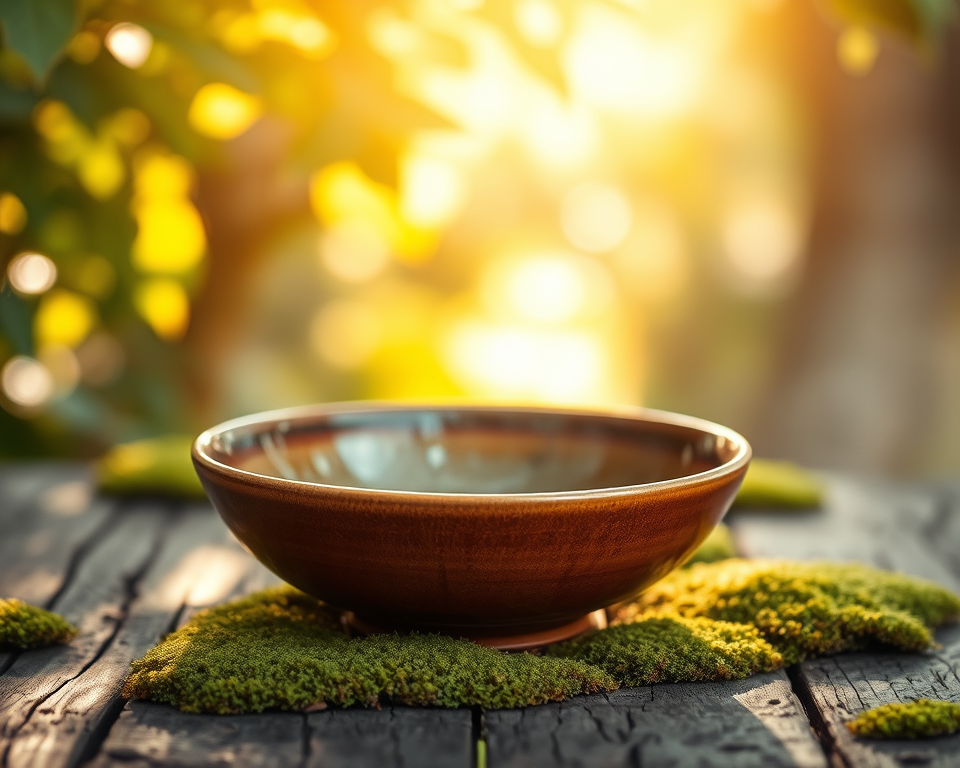
When I first stumbled upon Japanese pottery, I was instantly hooked. There’s something magical about the intricate designs and rich history behind every piece. Whether you’re a fellow ceramic enthusiast or just someone looking to learn a little more about this beautiful art form, you’re in for a treat. From the elegance of Raku ware to the rustic charm of Bizen pottery, there’s a whole world waiting for you!
Let’s bask in the beauty of Japanese ceramics together. Ready? Here we go!
Table of Contents
- 1 Key Takeaways
- 2 The Rich History of Japanese Pottery
- 3 Different Types of Japanese Pottery
- 4 The Making of Japanese Pottery
- 5 Cultural Significance and Contemporary Practices
- 6 Notable Japanese Potteries and Artisans
- 7 Frequently Asked Questions
- 7.1 What are the key differences between traditional Japanese pottery styles?
- 7.2 How does Japanese pottery reflect cultural identity?
- 7.3 What materials are commonly used in Japanese pottery?
- 7.4 How has the global market influenced contemporary Japanese pottery?
- 7.5 What role do pottery festivals play in Japanese culture?
- 7.6 Can you explain the significance of Raku pottery in Japanese culture?
- 7.7 What are some tips for starting pottery as a hobby in Japan?
- 7.8 How do modern artisans balance tradition and innovation in their work?
- 7.9 What are the different firing techniques used in Japanese pottery?
- 7.10 How can I learn more about Japanese pottery techniques?
Key Takeaways
- Japanese pottery has a rich history that dates back to prehistoric times, showcasing various styles unique to different regions.
- Raku pottery, particularly popular in tea ceremonies, highlights the importance of aesthetics and tradition in Japanese culture.
- The crafting process involves unique techniques and natural materials, making each piece not just art, but a story.
- Contemporary Japanese pottery continues to thrive, blending traditional practices with modern influences, which adds a refreshing twist to this timeless art.
The Rich History of Japanese Pottery
Origins of Japanese Pottery
The story of Japanese pottery begins in the Neolithic era, specifically with the Jomon culture, famous for its amazing earthenware dating back to around 14,000 BC. Imagine those first potters, kneading natural clay to create pots that weren’t just functionally beautiful but were also adorned with intricate patterns—talk about creativity!
These early pieces were more than mere vessels; they were cultural artifacts. When archaeologists, like those working in the Jomon area, unearth these ancient ceramics, they don’t just find pots, they uncover stories of a civilization that valued craftsmanship and artistic expression from the very start.
Major Historical Periods
Next, we slide through the historical timeline, breezing past the Kamakura and Heian periods where ceramics began evolving. Imagine artists in the Heian court, their delicate hands crafting pieces that mirrored their refined aesthetic—Oh, how they must have loved their tea!
Each historical era brought a new wave of styles. During the Edo period, from 1603 to 1868, the boom of pottery production started with artists heavily influenced by trade, leading to newer techniques and elaborate designs, not to mention regional specialties that have shaped what we now recognize as traditional Japanese pottery.
| Historical Period | Featured Ceramics | Characteristics |
|---|---|---|
| Jomon (14,000 BC) | Jomon pottery | Early clay carvings with intricate designs |
| Heian (794-1185) | Shakudo, Kyo-yaki | Artistic elegance with nature themes |
| Edo (1603-1868) | Imari, Mino ware | Vibrant colors, diverse patterns, and forms |
Influential Pottery Movements
As we step further into history, we encounter significant pottery movements. Raku ceramics, for instance, have become synonymous with Japanese tea ceremonies. Raku means “enjoyment” in Japanese, which is fitting, considering how these beautifully crafted pieces contribute to the Zen-like experience of tea preparing.
Then there’s Mino ware, with its distinctive glazes and adaptability, which has strong roots in regional craftsmanship. Also check out Bizen pottery—this stuff is remarkable! It’s wood-fired and has a raw, earthy quality that speaks volumes about the connection between potters and nature.
Different Types of Japanese Pottery
So, what exactly can you expect when you dive into the various types of Japanese pottery? Well, each one offers a taste of the local culture and craftsmanship.
Raku Pottery: A Cultural Icon
Raku pottery is like the rockstar of Japanese ceramics! Traditionally used in tea ceremonies, its handmade quality is where the magic lies. Think of it as pottery with a soul—every piece feels unique. Not only do Raku potters put care into their crafting, but they also have a special rule: each piece must be fired quickly in a kiln, then taken out and cooled. This gives the pottery those mesmerizing smoky effects and beautiful crackles.
Many tea masters prefer Raku for its simple, natural beauty. But don’t be fooled—it’s not just functional but an eye-catcher too! If you want to dive into Raku culture, I recommend the Raku Ware Chawan Tea Bowl—it’s about $250 and imprints the tea-drinking experience with traditional aesthetics.
Mino Ware and Its Variations
Next up, let’s chat about Mino ware. This particular style thrives in Gifu Prefecture and is notably known for its rich variety. You’ll find everything from beautiful glazes to diverse production techniques. Did you know that Mino includes different styles like Shino and Oribe? Shino wares have those gorgeous white glazes with beautiful textures, while Oribe is funky with its bold patterns and vibrant colors.
If you’re planning to host a dinner, Mino ware is excellent for serving dishes. Think Mino Hanachozu, averaging around $80 for a stunning bowl that’ll wow your guests!
Bizen and Hagi Pottery Styles
Bizen and Hagi, both represent unique regional styles, boasting distinct characteristics. Bizen, known for its reddish-brown earthenware, often incorporates natural ash glazing techniques, making it look rugged and organic. It’s like pottery that has seen the world!
Hagi ware, on the other hand, often surprises with its subtle, soft hues. It’s incredibly popular among collectors thanks to its historical significance and contemporary adaptations. Prices for Hagi tea cups can range from $50 to $300, depending on the periods and craftsmanship involved. Trust me; you’ll want a piece of Hagi in your collection!
The Making of Japanese Pottery
Let’s get our hands dirty! The process of making Japanese pottery is like a dance—an intricate choreography of skill and tradition.
Step-by-Step Process of Pottery Making
The journey of pottery making starts with selecting the right clay, which varies from region to region. You’ll find potters using local clays, each enhancing the final artistry. Then, it’s all about shaping. Some pieces are thrown on a potter’s wheel to oomph up their symmetry, while others are meticulously hand-built to reflect the artisan’s personality.
Once shaped, the next stage is firing. Here comes the exciting part! Each kiln operates under different temperatures and atmospheres, producing stunning results. A Raku kiln will give you those captivating textures, while a stoneware kiln creates stability and durability.
Imagine the thrill potters experience as they reveal their pieces from the kiln; it’s practically an unveiling of art!
Importance of Natural Materials
Natural materials play a significant role in this process. With various clays ranging from sandy to smooth, potters select according to the desired final aesthetic and functional qualities. Each natural element adds character to the pottery—every piece tells its own story.
Let’s not forget the environmental angle; sustainable practices weave their way into this craft as more potters source local, natural materials to minimize their impact. If you love handmade goods and support artisans striving for sustainability, keep your eyes peeled for local pottery fairs promoting eco-friendly creations.
Cultural Significance and Contemporary Practices
Japanese pottery is more than just art; it’s woven into the fabric of daily life and traditions.
Pottery in Japanese Daily Life
In Japan, pottery pieces find meaningful placement in daily life. From functional bowls during family dinners to stunning vases bringing natural beauty indoors, ceramics are made to be used and appreciated. Picture a serene tea ceremony held with a beautifully crafted Raku bowl that not only serves tea but reflects the dedication of the potter who made it.
Current Trends in Japanese Pottery
What’s cooking in contemporary pottery? It’s a blend of the old and the new, my friends! Artists are keeping traditions alive while experimenting with vibrant colors and innovative designs. You might see these pieces in modern art exhibitions, where they spark discussions on cultural heritage versus contemporary expression.
The rise of social media has also allowed artists to showcase their work globally. I’ve seen some exciting collaborations, bringing together artisans with distinct backgrounds—each with a dynamic story to tell!
Notable Japanese Potteries and Artisans
In the vast sea of craftsmanship, a few names and places shine brighter than the rest.
Profiles of Influential Potters
Names like Shoji Hamada, a key figure in the Mingei movement, inspire admiration among both seasoned collectors and newcomers. His pieces combine functionality with artistry—his Mizusashi Water Jar is a showstopper, gaining serious appreciation. Don’t even get me started on how much one of these can go for at auctions!
Then there’s contemporary star, Kazu Takeda, who melds traditional pottery techniques with vibrant glazes and modern designs. His work reminds us that innovation can stem from deep-rooted customs, breathing new life into this beautiful art form.
Pottery Festivals and Events in Japan
Attending pottery fairs and festivals in Japan is like stepping into another world! Events like the Toki City Pottery Festival and the Bizen Pottery Festival are places where artisans showcase their creations, and attendees get a real taste of Japanese culture. You might even find your new favorite piece during these immersive experiences.
With demonstrations, workshops, and local vendors, these fairs are a paradise for pottery lovers like us!
Japanese pottery isn’t merely about aesthetics; it’s imbued with history and culture. Each piece tells a story, woven through centuries of tradition and modern innovation. Every time I admire a Raku bowl or sip tea from Hagi ceramics, I’m reminded of this beautiful tapestry of craftsmanship that continues to evolve. So, whether you’re simply taking interest or placing your first order, you’ve taken a significant step into a world of art that’s both ancient and alive today.
Frequently Asked Questions
What are the key differences between traditional Japanese pottery styles?
Traditional Japanese pottery styles vary significantly based on region, technique, and aesthetic preferences. For example, Raku pottery is known for its unique firing method and aesthetic qualities, whereas Mino ware is celebrated for its intricate glazes and diverse shapes. Each style embodies the cultural heritage of its origin, leading to distinctive features in texture, color, and functionality.
How does Japanese pottery reflect cultural identity?
Japanese pottery serves as a reflection of Japan’s rich cultural identity, showcasing traditional craftsmanship, local materials, and historical significance. Pottery is often tied to cultural practices such as tea ceremonies, which emphasizes aesthetics and mindfulness. The designs and techniques used also convey regional storytelling, deepening the cultural narrative embedded within each piece.
What materials are commonly used in Japanese pottery?
Japanese pottery typically utilizes various types of clay, often sourced locally. The most prevalent types include stoneware clay for durability and earthenware clay for its workability. Additionally, traditional glazes made from natural materials are employed to achieve unique finishes, further enhancing the artistic qualities of the pieces.
How has the global market influenced contemporary Japanese pottery?
The global market has introduced new techniques and materials to contemporary Japanese pottery, allowing artisans to explore innovative designs while respecting traditional methods. This blending of influences has led to dynamic collaborations and increased exposure for artists, resulting in a vibrant fusion of styles and aesthetics in modern ceramics.
What role do pottery festivals play in Japanese culture?
Pottery festivals in Japan celebrate the craftsmanship and artistry of ceramics, offering communities a platform to gather and share their heritage. These events often showcase local artisans, provide educational workshops, and promote cultural exchange. Attending these festivals allows participants to appreciate the skill involved in pottery-making while engaging with the community.
Can you explain the significance of Raku pottery in Japanese culture?
Raku pottery holds a special place in Japanese culture, primarily associated with the tea ceremony, where its unique aesthetic enhances the experience. The handcrafted nature of Raku pieces embodies the concepts of wabi-sabi, reflecting beauty in imperfection. The technique’s unpredictable results are celebrated, making each piece a unique work of art.
What are some tips for starting pottery as a hobby in Japan?
For beginners interested in Japanese pottery, consider enrolling in local pottery workshops, which often provide hands-on experiences with traditional techniques. Invest in basic tools including pottery wheels and clay, and familiarize yourself with Japanese styles through practice. Additionally, visiting local art galleries and exhibitions can inspire and guide your creative journey.
How do modern artisans balance tradition and innovation in their work?
Modern Japanese potters often integrate traditional techniques with contemporary designs to create unique pieces that resonate with current trends. This balance allows them to respect their cultural heritage while exploring new materials and forms, resulting in innovative works that appeal to both traditional and modern tastes.
What are the different firing techniques used in Japanese pottery?
There are several firing techniques in Japanese pottery, including wood firing, gas firing, and electric kiln firing. Each method influences the final appearance and texture of the ceramic. Wood firing, for instance, imparts a distinctive, natural look to the pottery and is commonly used in traditional styles such as Bizen and Shigaraki.
How can I learn more about Japanese pottery techniques?
To expand your knowledge of Japanese pottery techniques, consider online courses, workshops at local studios, and reading books on Japanese ceramics. Additionally, exploring ceramics museums and engaging with pottery communities online can provide valuable insights into traditional practices and contemporary developments in the field.
