
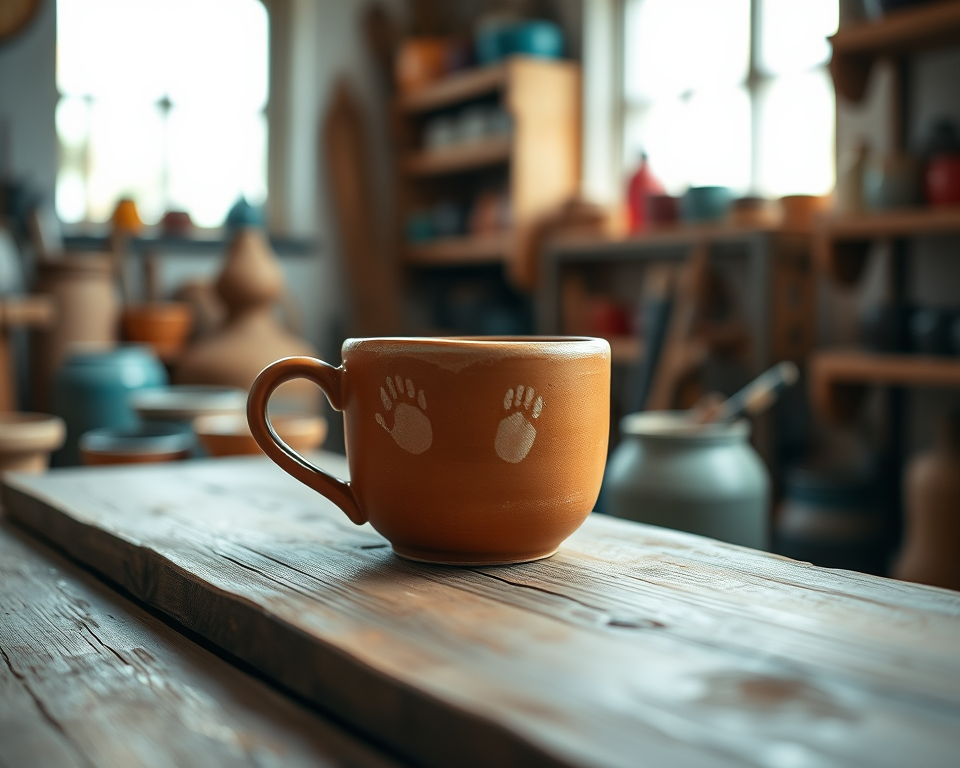
Hey there, my fellow clay enthusiasts! If you’re anything like me, you’ve probably spent countless hours in your pottery studio, getting your hands dirty, crafting beautiful pieces that bring joy to your home. But amidst all that creativity, a thought often sneaks in: “Is my pottery safe to use?”
We hear so much these days about health risks associated with materials and techniques in pottery, and it’s totally normal to feel a twinge of worry. Don’t fret! I’m here to help you navigate the world of pottery health risks with some solid facts and practical knowledge. Let’s unpack what you need to know about the safety of your favorite pots, dishes, and sculptures.
Table of Contents
- 1 Key Takeaways
- 2 Understanding the Health Risks of Pottery
- 3 Common Pottery Materials and Their Risks
- 4 Identifying Safe vs. Unsafe Pottery
- 5 Glazing Techniques and Health Implications
- 6 Regulations and Safety Standards for Potters
- 7 Safety Practices in Pottery Making
- 8 Health-Protective Equipment for Potters
- 9 Insights from Experts and Personal Experiences
- 10 Case Studies on Pottery and Health
- 11 Fostering Safe Practices in Pottery
- 12 Frequently Asked Questions
- 12.1 What are the signs of unsafe pottery?
- 12.2 How can I test my pottery for lead levels?
- 12.3 What are the safest pottery glazes to use?
- 12.4 Are there specific clay types that are safer than others?
- 12.5 What should I consider when buying pottery?
- 12.6 How can I ensure my pottery-making space is safe?
- 12.7 What health risks are associated with breathing in clay dust?
- 12.8 Can I use pottery for both decorative and functional purposes?
- 12.9 What are the best safe practices for pottery workshops?
- 12.10 How can I educate myself more about pottery safety?
Key Takeaways
- Know Your Materials: Understand the risks associated with common pottery materials like clay and glazes.
- Importance of Identification: Recognize how to identify safe pottery and what specifications to look for.
- Stay Informed: Familiarize yourself with regulations and safety standards related to ceramics.
- Protect Yourself: Employ safety practices in your pottery workspace to protect against potential hazards.
- Expert Insights Matter: Listen to experiences and advice from seasoned potters and health experts.
Understanding the Health Risks of Pottery
Alright, let’s tackle the elephant in the room—are there actual health risks with pottery? It’s a valid concern! Many of us love being creative, but it’s crucial to know just what we’re working with.
When we think of pottery health risks, we often jump straight to ceramics containing toxic materials. A biggie here is lead—yes, that pesky element that was once widely used in glazes. Lead can leach into food or drink if it’s present in your pottery, particularly when using items that aren’t labeled “food safe.” A few brands, like Laguna Clay’s “Lead Free Glazes,” clock in at about $20 for a pint and can save you from unexpected years of health risks.
Another concern is powdered clay dust. Breathing in fine particles while working can lead to respiratory issues down the line. This is a major reason I always wear a mask when I’m mixing or trimming!
“Pottery isn’t just an art form—it’s a practice that demands respect and knowledge about safety.”
Many creative souls just want to jump into crafting, but considering the implications behind the materials we use is super important. Being informed about them can help you avoid health mishaps down the track!
Common Pottery Materials and Their Risks
So, what materials should you be aware of? Let’s break it down.
Clay Types
There are a few main types of clay you’ll cross paths with: earthenware, stoneware, and porcelain.
Earthenware: Usually fired at a lower temperature, making it porous and more likely to absorb liquids. If you’re glazing it, ensure you use a non-toxic glaze, like Amaco’s “Non-Toxic Pottery Glazes.”
Stoneware: Fired at a higher temperature, making it denser and generally safer for functional ware. Brands like Duncan offer a non-toxic range of stoneware glazes.
Porcelain: Known for its strength and beauty, but make sure you’re using food-safe finishes.
Each clay has its unique charm and risks, so familiarize yourself with them!
Glazing Materials
Ah, glazes—the cherry on top for every potter! But they can also pose risks if you aren’t careful.
Lead Glazes: Historically used, but now largely banned in many areas for functional pieces. Ensure your glazes are labeled lead-free!
Cadmium: Another ingredient often found in vibrant glazes, but can be toxic. Brands like Coyote offer a range of cadmium-free glazes, keeping your colors bright but safe.
“A colorful glaze should never come at the cost of your health!”
When sourcing your materials, look for labels and certifications that speak to safety standards. This will not only keep you healthy but also bring peace of mind!
Identifying Safe vs. Unsafe Pottery
Now that we’ve touched on materials, how can you tell if your pottery is safe? Understanding the identifiers for safe and unsafe ceramics may save you a lot of trouble in the long run.
Safety Standards for Pottery
Always look for pottery marked as “non-toxic” or “food-safe.” If you’re ever unsure, reaching out to the manufacturer for clarity can really help. Here’s a quick checklist to keep handy when assessing pottery:
| Safety Feature | What to Look For |
|---|---|
| Materials Used | Lead-free, toxicity ratings |
| Certification | ANSI, ISO, or other recognized labels |
| Manufacturer’s Information | Trustworthy brands often provide detailed specs |
You wanna take the time to investigate your favorite pieces, especially functional ware! You wouldn’t want to put your favorite pasta dish in something that might leach toxic chemicals, right?
Testing Pottery Safety
You can also perform simple tests at home. One method involves placing a small amount of vinegar on the pottery surface for a few minutes and checking for discoloration—if the color changes, steer clear from using it with food!
Being proactive in identifying safe pottery helps ensure that any piece you proudly display isn’t just an aesthetic choice but also a healthy one.
Glazing Techniques and Health Implications
With all that talk about glazes, let’s get into glazing techniques and how they might affect your health.
Health Effects of Pottery Glaze
Depending on the glaze you choose, health implications can vary. For example, some glazes can contain potentially harmful solvents or heavy metals. Always go for options that specify they meet safety standards.
If you’re experimenting with techniques like raku firing, be aware that certain methods can release harmful fumes—not to mention the firing temperature safety issues. I always recommend doing your research on specific glazing techniques and how they interact with the materials you use.
Safe Glazing Practices
Staying informed is key! Here are some tips:
– Ventilation: Always work in a well-ventilated area when glazing to avoid inhaling potentially harmful fumes.
– Protective Gear: Use gloves and masks when handling powdered glazes.
Keeping these practices in mind can greatly support your health and the longevity of your pottery work.
Regulations and Safety Standards for Potters
Navigating through regulations and safety standards might sound tedious, but knowing what’s out there can really help your artistry.
Safety Laws for Pottery
In the U.S., the FDA sets guidelines for ceramic ware that’s intended for food use. Familiarize yourself with these regulations: they help ensure you’re using safe materials.
Most reputable suppliers would adhere to these guidelines. So, always choose companies that provide transparency around their product safety. For instance, brands like Spectrum offer comprehensive safety data sheets (SDS) for their products.
Understanding these regulations is essential to ensure that the beauty you create doesn’t come at the expense of health.
Safety Practices in Pottery Making
Creating beautiful pottery should never mean sacrificing your safety. Let’s discuss some practices that can keep your pottery practice healthy and safe!
Best Practices for Pottery Safety
- Keep Your Studio Clean: Regularly dust and clean work surfaces to avoid clay and glaze dust accumulation.
- Proper Handling: Clay can be slippery! Using tools that offer better grip can alleviate some accidents.
Regularly inspect your workspace. Something as simple as replacing worn-out sponges and tools to maintain safety can go a long way!
Safety While Working with Ceramics
It’s always good to keep safety items close. Here are a few important tools:
– Respirator: A good respirator can protect you from harmful dust inhalation.
– Safety Glasses: Protect those peepers from pesky glaze splatter.
Stay alert and take breaks when needed; keeping your mind sharp is just as important as protecting your physical health.
Health-Protective Equipment for Potters
Let’s chat about some essential gear—because safety really shouldn’t be overlooked!
Essential Pottery Safety Tools
Investing in some solid protective equipment is a must. It keeps you safe and lets you enjoy your pottery hobby without the stress!
| Equipment | Purpose |
|---|---|
| Respirator | Protects against inhaling dust and fumes |
| Nitrile Gloves | Excellent defense against hazardous materials |
| Safety Goggles | Shields eyes from splashes and dust |
I can’t stress enough how important this stuff is! Remember, it’s about creating in a safe environment, allowing you to focus fully on that creative process.
Insights from Experts and Personal Experiences
It’s super important to hear from those who’ve walked the path before us. Engaging in conversations with seasoned potters can offer insights into staying healthy while you create.
Sharing Safety Experiences
Many artists have experienced firsthand both the highs and lows of pottery-making. I’ve listened to fellow potters emphasize the importance of ongoing education in health and safety practices.
Some potters recommend taking workshops or courses that focus solely on materials safety. This way, you’ll not only learn how to create beautiful pieces but also to make educated decisions about the materials you’re using!
“Hearing from others in the community about their safety experiences opens doors for mutual learning and growth!”
Expert Advice on Ceramics
Certified ceramics manufacturers often have customer support you can reach out to if you have questions. Plus, they can provide not just products but the knowledge and safety guidelines integral to your craft.
Don’t forget to check forums and pottery blogs, as many experienced potters share their stories and insights online. These platforms allow for a rich exchange of information that can guide you significantly.
Case Studies on Pottery and Health
Let’s wrap up this section by focusing on some scientific literature addressing pottery safety. Various case studies highlight the implications of working with certain materials and their effects.
Research Findings on Ceramic Safety
Academic studies often illustrate the risks of prolonged exposure to certain potting materials. It can be eye-opening to read about how one study revealed that even lead-free glazes could leach harmful substances under specific conditions.
Using research as a springboard, we can adopt safer practices. Not only does this knowledge help us create beautiful pottery, but it also keeps us in tip-top shape!
Empirical Studies on Pottery Materials
Consider using available resources from universities or local pottery guilds—they often share research findings relevant to health and safety in ceramics. Joining community workshops can yield invaluable insights that go beyond just clay and glaze!
Having access to that information can make you a proactive potter, leading to craft that’s as safe as it’s beautiful.
Fostering Safe Practices in Pottery
As we wrap up this clay journey, it’s vital to foster a safety culture not just for ourselves but for the pottery community collectively.
Encouraging Safe Practices in Ceramics
Think about how uplifting it is when potters share safety tips! Maintaining a community that promotes safe ceramics helps to keep us all accountable and informed.
Educate newcomers in your community about safety regulations and encourage them to ask questions. Volunteering in local pottery classes can be a great way to give back, sharing the knowledge you’ve gained over time—making our creative space more secure for everyone.
We all have a role in nurturing these practices to ensure our pottery remains a source of joy and inspiration, never overshadowed by health concerns.
By keeping these tips in mind, you can enjoy the exhilaration of pottery while maintaining your safety and peace of mind. Now, go break some clay with confidence, knowing you’re well-equipped to handle the health risks that come with it!
Frequently Asked Questions
What are the signs of unsafe pottery?
Unsafe pottery can often exhibit cracks, chips, or discoloration, particularly in glazes. Additionally, older pieces might have unlabelled materials that can pose health risks, such as lead or cadmium. If you suspect any piece contains these substances, avoid using it for food or drink.
How can I test my pottery for lead levels?
You can purchase lead-testing kits available at hardware stores or online. These kits typically include swabs that change color when they come into contact with lead. You can also seek professional testing services for a more accurate assessment, especially for collectible or antique pottery.
What are the safest pottery glazes to use?
When selecting glazes, look for those specifically marked as lead-free and non-toxic. Most modern glazes from reputable manufacturers will meet safety standards; however, always verify labels and check for certifications to ensure they’re food-safe and appropriate for functional ware.
Are there specific clay types that are safer than others?
Generally, stoneware and porcelain are considered safer for food use than earthenware because they are less porous and tend to have fewer impurities. It’s crucial to check the manufacturer’s specifications, as the safety can depend on the production process and materials used.
What should I consider when buying pottery?
Always check for labeling or certifications that indicate food safety and non-toxic materials. If buying handmade pottery, ask the artist about their materials and glazes to ensure they comply with safety standards. Avoid unmarked or antique pieces unless they have been tested for safety.
How can I ensure my pottery-making space is safe?
Maintain proper ventilation to avoid inhaling dust and fumes. Use protective equipment such as masks, gloves, and goggles when dealing with clay and glazes, and make sure to clean up spills and dust regularly to prevent slips and irritations.
What health risks are associated with breathing in clay dust?
Inhaling clay dust can lead to respiratory issues, including lung conditions such as silicosis or asthma. Potters should use dust masks or respirators and ensure proper ventilation in their workspaces to minimize exposure to airborne particles.
Can I use pottery for both decorative and functional purposes?
While many pieces can serve both roles, it’s essential to ensure that decorative items are made with safe materials if there’s any potential for contact with food or beverages. Always check for certifications indicating the piece is food-safe before using it functionally.
What are the best safe practices for pottery workshops?
Encourage the use of non-toxic materials and glazes, implement cleanliness protocols, and provide education on handling materials safely. Regularly inspect equipment and maintain an organized workspace to enhance safety for all participants.
How can I educate myself more about pottery safety?
Consider enrolling in pottery classes that emphasize safety, reading up-to-date books or resources about pottery materials and health guidelines, and joining community groups of potters. Sharing experiences and knowledge within these groups can enhance your understanding of safe practices.
