
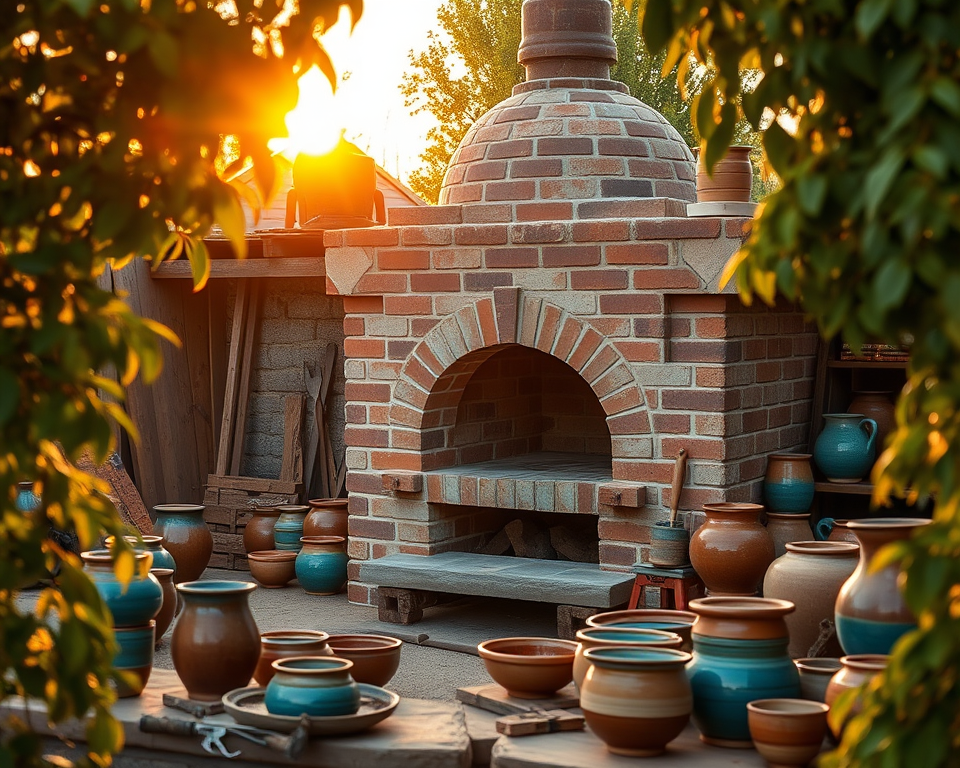
Building your own pottery kiln at home might seem overwhelming, but let me tell you, it’s an experience that will elevate your ceramic creations to new heights! Picture this: you’re firing your beautiful pieces, watching them transform right before your eyes, all thanks to something you built with your own two hands. Whether you’re a beginner just starting or a seasoned potter looking for cost-effective solutions, I’ve got you covered.
Table of Contents
- 1 Key Takeaways
- 2 Building Your Own Pottery Kiln: An Overview
- 3 Understanding Different Types of Pottery Kilns
- 4 Essential Materials for DIY Pottery Kilns
- 5 Step-by-Step Instructions for Building Your Pottery Kiln
- 6 Troubleshooting Your Pottery Kiln
- 7 Exploring Alternative Kiln Designs and Approaches
- 8 Additional Resources for Pottery Kiln Enthusiasts
- 9 Frequently Asked Questions
- 9.1 What types of firing methods can I use in my homemade pottery kiln?
- 9.2 How do I choose the right kiln location?
- 9.3 What insulation materials are best for kiln construction?
- 9.4 Are there special considerations for venting my kiln?
- 9.5 How can I troubleshoot uneven firing results in my kiln?
- 9.6 What safety precautions should I take when using my kiln?
- 9.7 Can I use recycled materials for kiln construction?
- 9.8 What is Raku firing, and how does it differ from conventional firing methods?
- 9.9 What are the most common mistakes to avoid when building a DIY kiln?
- 9.10 How often should I maintain my kiln, and what does maintenance involve?
Key Takeaways
- Building your own kiln empowers you to create specific firing temperatures for different types of ceramics.
- Safety is paramount—know the risks and how to mitigate them while having fun!
- I’m sharing some great materials that won’t break the bank and tips for sourcing them locally or online.
- You’ll want a dedicated space for your kiln to avoid pesky safety issues and keep things organized.
- Troubleshooting is key—understanding common problems will save you time and stress!
Building Your Own Pottery Kiln: An Overview
You’re probably itching to get to the juicy part, but let’s just take a sec to set the stage. A kiln is crucial for any pottery enthusiast wanting to fire and finish their work properly. There are various types of kilns, and knowing which one suits your needs can significantly help your pottery. Think of it as your personal oven, tailored to give life to your creative visions.
In this guide, we’ll talk about everything from foundational information to step-by-step instructions tailored for your journey into kiln building. We’ll be looking at materials you need, site preparation, safety considerations, troubleshooting issues, and even some alternative kiln options that could spice things up!
Understanding Different Types of Pottery Kilns
So, you’ve got your sights set on making your own kiln, but what kind should you build? Let me lay out the options right here.
- Electric Kilns: These are super easy to use, especially if you’re just starting. They’re perfect for all types of ceramics. A great option is the Skutt KM-1027, which is perfect for small to medium projects. Priced at around $1,700, it allows for precise temperature control and has a capacity of up to 10.5 inches in height.
- Gas Kilns: If you’re going for a more traditional vibe, gas kilns are excellent for achieving unique stoneware and porcelain finishes. The L&L Kilns Gas Kiln is around $3,200 and offers great versatility with different firing styles!
- Raku Kilns: If you want to get a bit experimental, a raku kiln could be your jam! Raku firing offers unpredictable and exciting results. Look at something like the Ceramic Supply Raku Kiln, which usually runs you about $125 to $200, depending on the size.
Now, it’s all about finding what works best for what you’re planning to create.
Essential Materials for DIY Pottery Kilns
Before rolling up your sleeves, let’s tackle the must-have materials for building your pottery kiln. You don’t want to get halfway through and find out you’re missing something crucial!
Detailed Materials List for Your Pottery Kiln
Here’s a breakdown of what you’ll need:
| Material | Purpose | Estimated Cost |
|---|---|---|
| Firebricks | Building the kiln structure | $1.50 each |
| Insulation board | Enhancing heating efficiency | $2-$5 per square foot |
| Kiln cement | Securing and sealing bricks | $10 for 64 oz |
| Heating elements (if electric) | For electric kilns | $50-$100 |
| Thermocouple | Monitoring temperature | $25-$50 |
| Ventilation system | For gas kilns | $100 for parts |
| Safety gear (gloves, mask) | Protecting while working | $20 |
When sourcing these materials, check your local home improvement store or places like The Home Depot and Lowe’s. You can also snag deals on websites like Amazon or eBay.
Step-by-Step Instructions for Building Your Pottery Kiln
Now let’s get cooking—or should I say firing? Building your kiln involves a sequence of steps, and I’ll break it down for you in a way that’s as clear as freshly thrown clay. This part is where your creativity gets to shine!
Preparing the Site for Your Kiln
First things first: location, location, location! Follow these points to ensure you’re setting up your kiln in a good spot:
- Choose an Outdoor Location: You want to be away from flammable materials. Ideally, pick a flat, open area.
- Factor in Ventilation: If you’re going with a gas kiln, airflow is essential for safety. Ensure there’s room for the heat to disperse.
- Accessibility: You’ll need to transport your pottery in and out, plus it should be somewhere that’s easy for you to access while working.
Once you’ve picked the perfect spot, let’s move on to building!
Safety Considerations When Building and Using Your Kiln
Safety isn’t just a buzzword; it’s a necessity when it comes to kiln use! Here’s what to keep in mind.
- Heat Hazards: Always wear thick gloves when handling anything hot coming out of the kiln.
- Carbon Monoxide Risks: If you’re using a gas kiln, install a carbon monoxide detector in your workspace—better safe than sorry!
- Fire Safety: Keep a fire extinguisher on hand and clear the area of flammable objects. Trust me, you’ll be grateful for this precaution.
Here’s a tip: Before you start using your kiln, practice firing it empty to ensure everything is working as it should.
Common Safety Issues and How to Avoid Them
It’s good to know potential hazards. Here are some issues you might run into and how to sidestep them:
“Preparation is key. Make sure to familiarize yourself with your kiln before use to prevent mishaps.”
- Overheating: Keeping an eye on the temperature with a reliable thermocouple will help avoid this issue.
- Structural Failures: Make sure your kiln walls are properly insulated and secured. Use kiln cement generously to seal the gaps.
Let’s keep you and your pottery safe while you fire up those creative juices!
Troubleshooting Your Pottery Kiln
Even seasoned potters will run into hiccups now and then, so understanding how to troubleshoot is a huge part of the game.
Frequently Encountered Kiln Issues and Their Solutions
Sometimes things don’t go according to plan, but that’s part of the learning curve, right? Here are common problems and how to tackle them:
- Uneven Firing: This might happen if your heating elements are faulty or unevenly distributed. If you’re ever unsure, check to ensure the elements are evenly spaced when you install them.
- Excess Smoke: In gas kilns, if you see more smoke than usual, this could mean improper combustion. Adjusting your propane tank or air intake can help.
- Slow Heating: If your kiln isn’t reaching the desired temperature, make sure you have the right elements and that they’re functioning properly.
Always keep a record of your firings so you can learn from past experiences and tweak your procedures accordingly!
Exploring Alternative Kiln Designs and Approaches
Now that you’ve got the basics down, did you know there are plenty of innovative designs out there? Whether out of curiosity or experimentation, exploring alternative kiln setups can help expand your pottery practice.
Comparing Electric and Gas Kilns
Both electric and gas kilns have their perks, and choosing between them can be a game of preferences.
| Type | Pros | Cons |
|---|---|---|
| Electric | Easy to use, precise temperature control | Limited by availability of electrical outlets |
| Gas | Traditional firing gives unique appearances | Requires more setup and ventilation management |
Electric kilns tend to be more user-friendly for beginners, while gas kilns are often favored by experienced potters seeking that charming handmade touch.
Additional Resources for Pottery Kiln Enthusiasts
To help you take your pottery to the next level, there’s a wealth of resources out there—don’t hesitate to explore!
Recommended Books and Online Communities
Here are some awesome resources that can bolster your kiln knowledge:
- Books: Titles like The Essential Pottery Handbook or Mastering the Potter’s Wheel are excellent for understanding kiln aspects and improving your technique.
- Online Communities: Join forums like Ceramic Arts Daily or Pottery Heads. They’re full of fellow pottery lovers who share insights, ideas, and experiences.
- Workshops: Look for local pottery workshops at community colleges or art schools. They often offer hands-on advice and can sharpen your skills in kiln use!
“Engagement with the pottery community can open doors to new friendships and collaboration. You’re never in this alone!”
The journey of building and using your kiln is as rewarding as the pieces you create. So, what are you waiting for? Roll up those sleeves, gather your materials, and let’s get burning—figuratively speaking, of course!
Frequently Asked Questions
What types of firing methods can I use in my homemade pottery kiln?
There are several firing methods to consider—electric, gas, wood-fired, and Raku. Each method has unique characteristics and benefits. Electric kilns are user-friendly and consistent, while gas kilns can produce higher temperatures. Wood-fired kilns offer unique aesthetics but require more management.
How do I choose the right kiln location?
Choosing the right location for your kiln involves considering safety, ventilation, and accessibility. It should be placed away from flammable materials, have adequate airflow for heat dissipation, and be easily accessible for loading and unloading pottery. Ideally, it should be outside to reduce fire risks.
What insulation materials are best for kiln construction?
Common insulation materials for kilns include ceramic fiber insulation, firebrick, and Kaowool. These materials withstand high temperatures while preventing heat loss. Ensure you choose materials rated for kiln use to maintain efficiency and safety.
Are there special considerations for venting my kiln?
Yes, proper venting is crucial for both safety and performance. Kilns produce fumes and gases that can be hazardous. Ensure your kiln has a ventilation system or flue that directs harmful gases away from your workspace and complies with local regulations.
How can I troubleshoot uneven firing results in my kiln?
Uneven firing can be caused by several factors, including poor insulation, uneven loading, or temperature variations. To troubleshoot, check the insulation for gaps, ensure even distribution of pottery inside the kiln, and monitor temperature readings for consistency throughout the firing cycle.
What safety precautions should I take when using my kiln?
Always wear protective gear, including heat-resistant gloves and safety goggles, when working with your kiln. Keep a fire extinguisher nearby, ensure proper ventilation, and never leave the kiln unattended during operation. It’s also wise to familiarize yourself with emergency shutdown procedures.
Can I use recycled materials for kiln construction?
Yes, using recycled materials is both cost-effective and environmentally friendly. Reclaimed bricks, metal sheets, and even certain types of insulation can be repurposed for kiln building. However, make sure these materials can withstand high temperatures without releasing harmful substances.
What is Raku firing, and how does it differ from conventional firing methods?
Raku firing is a fast and dramatic pottery firing technique that involves removing pottery from the kiln while it’s red hot and placing it in combustible materials. This method creates unique surface effects and colors, different from conventional firing, which typically involves longer, slower cycles to fully mature the clay.
What are the most common mistakes to avoid when building a DIY kiln?
Common mistakes include inadequate insulation, poor ventilation design, ignoring local building codes, and not considering safety measures during construction. Additionally, failing to accurately plan your kiln’s size and materials can lead to inefficient operation or dangerous situations during use.
How often should I maintain my kiln, and what does maintenance involve?
Regular maintenance of your kiln should occur between firing sessions. This includes cleaning the interior, checking for cracks in insulation, ensuring all electrical connections are secure, and inspecting any vents or flues for blockages. Document any issues to monitor performance over time.
