
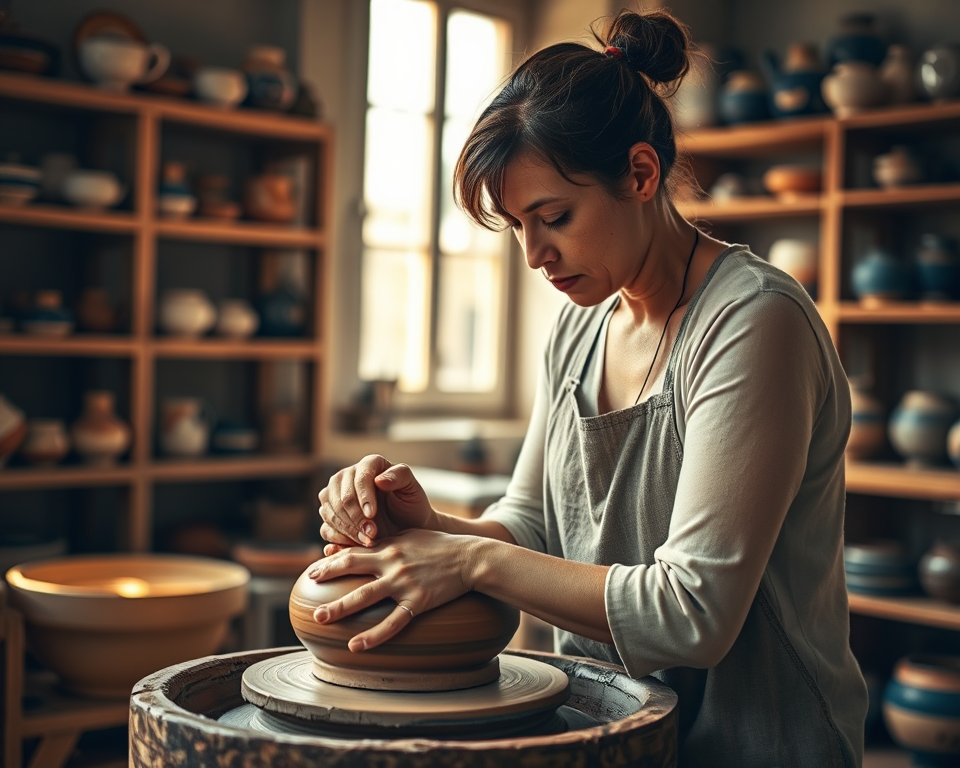
Pottery has an incredible way of weaving itself into the bustling fabric of our lives, creating a serene space amidst all the chaos. Have you ever felt that bubbling tension inside you, that gnawing anxiety that just won’t quit? I’ve been there, too. Let me share something that helped me: pottery! Trust me, this isn’t just about playing with clay; it’s a real game for mental wellness. Picture this—rolling your hands over soft, squishy clay feels not only therapeutic but also downright invigorating. It opens doors to mindfulness and self-expression you never knew existed.
Table of Contents
- 1 Key Takeaways
- 2 The Therapeutic Benefits of Pottery
- 3 Personal Testimonials and Stories
- 4 Practical Tips for Incorporating Pottery into Your Routine
- 5 Overcoming Challenges in Pottery Practice
- 6 Community and Support Resources
- 7 Frequently Asked Questions
- 7.1 What tools and materials are essential for beginner pottery?
- 7.2 Can pottery really help with anxiety and depression?
- 7.3 How can I find local pottery classes?
- 7.4 What should I expect in pottery classes for beginners?
- 7.5 How can I set realistic goals when starting pottery?
- 7.6 What are some common challenges faced by beginners in pottery?
- 7.7 Are there any online resources for learning pottery at home?
- 7.8 How does pottery foster community and social interaction?
- 7.9 Why is cultivating a growth mindset important in pottery?
- 7.10 How can pottery be adapted for therapeutic use across diverse demographics?
Key Takeaways
- Pottery promotes mindfulness, providing stress relief and boosting mental wellness through creative expression.
- Scientific studies backup the therapeutic benefits of crafting, showing significant improvements in anxiety and stress management.
- Personal testimonials reveal the wide-reaching positive impacts of pottery on mental health, offering diverse experiences across demographics.
- Incorporating pottery into your daily routine can be simple and rewarding, even if you’re a complete beginner.
- Engaging with pottery communities can provide support, encouragement, and a shared journey toward healing.
The Therapeutic Benefits of Pottery
Embracing pottery is like finding a slice of tranquility on a hectic day. Whenever life starts spiraling out of control, I turn to my trusty pieces of clay. In a world that often feels overwhelming, the act of molding and shaping can feel grounding. Studies show that engaging in pottery can significantly lower cortisol levels—the stress hormone—in our bodies. So, what’s the deal with pottery and mental health?
Pottery isn’t just about creating pretty vases or dinnerware; it’s about diving headfirst into a creative outlet that offers remarkable benefits. While I’m no scientist, the emotional release I experience through crafting is profound. People often use pottery as a form of art therapy, tapping into their emotions by expressing themselves through their creations. You know that satisfying moment when you finish a piece? It’s pure bliss.
Understanding Pottery as Therapy
Let’s break it down. Pottery engages us in mindful activities, immersing us in the present moment. When molding clay, I often lose track of time. My worries fade, and all that’s left is the gentle rhythm of my hands shaping the earth. Studies indicate that mindfulness through pottery can lead to better emotional regulation and overall mental wellness. It’s not only relaxing but also builds a sense of accomplishment and creative expression.
Here’s what I’ve learned about incorporating pottery into a therapeutic routine:
- Find Your Space: Create your own cozy spot for pottery—whether it’s a corner in your living room or a dedicated studio, it should feel inviting.
- Set the Mood: Play your favorite tunes or simply enjoy the sound of clay squishing and the quiet rhythm of your process.
- Start Small: If you’re unsure about diving into pottery, beginning with small tasks like sculpting tiny bowls or ornaments can ease the pressure.
Engaging with clay ignites a spark of creativity and wonder—a kind of magic you don’t find in everyday life.
Scientific Evidence Supporting Pottery’s Benefits
The scientific community is finally catching up to what we hands-on pottery enthusiasts have known all along. Research on pottery therapy has confirmed its positive impact on mental health. For instance, a study published in the Journal of Health Psychology indicated that individuals who engaged in creative arts, including pottery, reported significantly lower levels of anxiety and increased overall mood.
Here’s a brief overview of some key insights:
| Study | Key Findings |
|---|---|
| Therapeutic Arts and Mental Health | Pottery reduces anxiety symptoms; enhances emotional well-being. |
| Art Therapy in Community Settings | Promotes social engagement, empathy, and reduces feelings of isolation. |
| Mindfulness in Adult Populations | Increases focus and mindfulness during crafting activities like pottery. |
There’s a treasure trove of studies that back up the claim that engaging in pottery leads to meaningful therapeutic outcomes. You get lost in the fluidity of the process, and in that moment, everything else fades away.
Personal Testimonials and Stories
While academic research is fantastic, there’s raw power in personal stories. Over the years, I’ve met a diverse group of pottery enthusiasts, each with unforgettable experiences they carry. From schoolteachers to office workers to retirees, everyone has found a way to incorporate this art form into their journey toward mental wellness. Allow me to share some heartwarming narratives.
Lisa, a school counselor, shared with me how pottery became a coping mechanism after a personal loss. “It helped me channel my grief,” she said. “Every time I took a lump of clay in my hands, it felt like I was shaping my emotions. The process gave me something tangible to hold on to as I navigated my pain.”
And then there’s Terry, a retired veteran who found pottery after struggling with PTSD. He mentioned, “Pottery calms my mind. It’s almost meditative. I can get lost in it for hours, and when I finish a piece, I feel a sense of control and accomplishment that had been lacking for years.”
These stories aren’t outliers; they represent countless journeys where pottery has helped people manage their mental health. If you ever feel hesitant to jump into pottery, remember that you aren’t alone.
Diverse Demographics and Experiences
The beauty of pottery is its accessibility. No matter your background, age, or personal story, there’s a spot for you in the pottery community. While crafting can sometimes feel intimidating, it welcomes people from all walks of life—reminding us how art transcends barriers.
There are pottery classes tailored for different age groups and demographics, from children to seniors. Groups often focus on creating an inclusive atmosphere where everyone’s welcome, fostering connections. It’s essential to find a space where individuals can share their unique perspectives, leading to rich interactions.
Pottery brings people together, providing shared moments of laughter, inspiration, and even vulnerability. So, whether you’re an artist at heart or someone dabbling in creative arts for stress relief, the communal aspect can be profoundly healing.
Practical Tips for Incorporating Pottery into Your Routine
Now that you’re intrigued, let’s chat about some practical tips to weave pottery into your life! If you’re thinking, “This sounds great, but I don’t know where to start,” I’ve got your back.
Buy Your Gear: You don’t need a fancy studio to enjoy pottery at home. A simple starter kit, like the Sculpey Beginner’s Clay Starter Set ($29.99 on Amazon), can set the foundation for your adventure.
Find Classes: Websites like Eventbrite often list community pottery classes—some even offer beginners’ nights. This way, you can meet like-minded folks while honing your skills.
Set Up a Routine: Block off a couple of hours each week dedicated to your pottery practice. A consistent routine helps in shaping your skills and keeps you excited for the next session.
Play with Techniques: Look up YouTube tutorials, or books like “Pottery for Beginners: A Step-by-Step Guide to Creating Beautiful Pottery” ($16.95), to learn diverse pottery methods. The techniques, from wheel-throwing to hand-building, can bring variety to your practice.
Resources for Learning Pottery
When it comes to pottery resources, you’re in for a treat. There’s a ton of platforms that offer tutorials, tips, and community engagement. Here’s a quick list to help you get started:
| Resource | Description |
|---|---|
| YouTube Channels | Channels like The Clay Teacher and Pottery with a Purpose offer great tutorials. |
| Pottery Apps | Apps like Pottery Pal (free on iOS) provide step-by-step guides on various clay projects. |
| Online Pottery Courses | Platforms like Skillshare offer beginner classes ranging from $15 to $25, taught by experienced potters. |
These resources will ignite your passion and expand your knowledge as you grapple with clay and create.
Engaging with the Pottery Community
One of the most rewarding aspects of pottery is the community that surrounds it. Local art groups, pottery classes, and online forums create an opportunity for connection, support, and encouragement. Join classes at community centers, check out pottery clubs, or simply take to social media to connect with fellow enthusiasts.
I often share my pottery work online, and it’s been incredible to see how others react. Social platforms, especially Instagram and Pinterest, can be buzzing hubs for pottery lovers. I’ve even joined a Facebook group entitled Pottery Lovers Unite, where members share tips, successes, and failures—yes, they happen to all of us!
Finding a community can be the catalyst in your journey. Surround yourself with creativity and encouragement through tangible workshops or virtual connections.
Overcoming Challenges in Pottery Practice
In my pottery adventures, I often face challenges. From struggling to center the clay on the wheel to accidental breakage, it can feel frustrating! But with the right mindset, it’s all part of the creative journey.
Don’t dismiss the moment, even if it feels tough. Instead, welcome it. Here are a few strategies I use to navigate common pottery-related frustrations:
- Practice: I remind myself that no one becomes a master overnight. Just like learning to ride a bike, it takes practice.
- Celebrate Mistakes: Those “oops” moments often lead to happy accidents. One time, I smashed a pot and turned it into a mosaic piece—a favorite now!
- Patience: Learn to be patient with yourself. Progress feels like an uphill climb sometimes, but embrace each step.
Realistic Expectations in Pottery
It’s essential to set realistic expectations. When I first started pottery, I expected everything to come out perfectly. Ah, the naiveté! It’s crucial to understand that growth takes time.
Your first few attempts may feel clunky or out of sync, but they’re stepping stones toward improvement. Here’s the scoop:
- Personal Growth: Individual journeys in pottery are unique. So, focus on your personal development, not just the end product.
- What to Expect: Expect a mixture of triumphs and failures. Each piece holds a lesson.
- Celebrate Small Wins: Completing even a single clay project can be a huge accomplishment. Acknowledge your progress!
Community and Support Resources
Building a supportive network around your pottery practice can be transformative. Not only do you gain insights and advice from others’ experiences, but you also find camaraderie and motivation. Establish connections through local pottery events, workshops, or support groups focused on craft.
I’ve participated in numerous community pottery events. They allow you to share ideas and gather inspiration while meeting fellow creators. Whether it’s a local market or a weekend class, the energy you share with fellow artists is contagious.
Online Forums and Workshops for Pottery Enthusiasts
Don’t underestimate the potency of online resources! Google can lead you to an array of virtual pottery classes, forums, and discussion groups. Participating in virtual pottery sessions keeps inspiration flowing, even if you’re working from home.
Platforms to Explore:
– Zoom Workshops via community centers or small studios offer low-cost options often ranging from $10 to $30.
– Facebook Groups and Discord Channels dedicated to pottery often share helpful resources and collective experiences.
– Reddit’s r/Pottery where enthusiasts discuss challenges and triumphs, providing a sense of belonging.
By engaging with communities online or in-person, I’ve advanced my skills far beyond what I’d imagined possible. Pottery offers a release, an avenue for creative expression, and countless opportunities to grow alongside fellow enthusiasts.
As you embark on your pottery adventure, embrace the community! It isn’t just about creating; it’s about finding connection and resilience in your craft. Let your journey unfold with every swirl of clay.
Frequently Asked Questions
What tools and materials are essential for beginner pottery?
For beginners, essential tools include a pottery wheel, various clay types (like earthenware or stoneware), sculpting tools, a rib, sponges, and a kiln for firing. You may also need glazes for decoration. Beginners should start with a basic toolkit available in most pottery classes or online craft stores.
Can pottery really help with anxiety and depression?
Yes, engaging in pottery has been shown to reduce symptoms of anxiety and depression. The act of kneading and molding clay can promote mindfulness and focus, distracting from negative thoughts and providing a sense of accomplishment. These effects contribute to improved mood and emotional resilience.
How can I find local pottery classes?
To find local pottery classes, check community centers, art schools, or craft stores in your area. Online platforms like Meetup can provide information about classes and workshops. Additionally, searching for “pottery classes near me” on Google can lead to various options tailored to different skill levels.
What should I expect in pottery classes for beginners?
In beginner pottery classes, expect to learn basic techniques such as hand-building, wheel-throwing, and glazing. Instructors usually cover safety practices and the use of tools. Classes often include hands-on practice and provide opportunities for feedback to improve your skills over time.
How can I set realistic goals when starting pottery?
To set realistic goals in pottery, focus on small, achievable projects, like making simple bowls or mugs. Understand that mastering techniques takes time and practice. Emphasize the journey rather than perfection, and celebrate your progress with each new skill you acquire.
What are some common challenges faced by beginners in pottery?
Common challenges include difficulty centering clay on the wheel, uneven thickness in hand-built pieces, and issues with glazing. Patience and practice are key. Seeking help from instructors or more experienced potters can also enhance your learning experience and skill development.
Are there any online resources for learning pottery at home?
Yes, many online resources cater to pottery enthusiasts, including video tutorials on YouTube, platforms like Skillshare, and dedicated pottery apps. These resources can help you learn techniques and find inspiration, allowing you to practice pottery at your own pace from home.
Pottery fosters community through group classes, workshops, and local pottery clubs. Engaging in collaborative projects or participating in events can help build connections with fellow pottery enthusiasts, creating opportunities for shared learning and enjoyment of creativity within a supportive environment.
Why is cultivating a growth mindset important in pottery?
A growth mindset is pivotal in pottery as it encourages perseverance through the learning process. Recognizing that mistakes are part of growth fosters a positive attitude toward improvement, helping beginners remain resilient in the face of challenges and enhancing their creative journey.
How can pottery be adapted for therapeutic use across diverse demographics?
Pottery can be adapted for various demographics by incorporating different techniques suitable for varied physical abilities and skill levels. Community workshops can focus on inclusivity, ensuring everyone has access to creative expression. Tailored programs can address specific mental health needs, making clay therapy accessible for all.
