
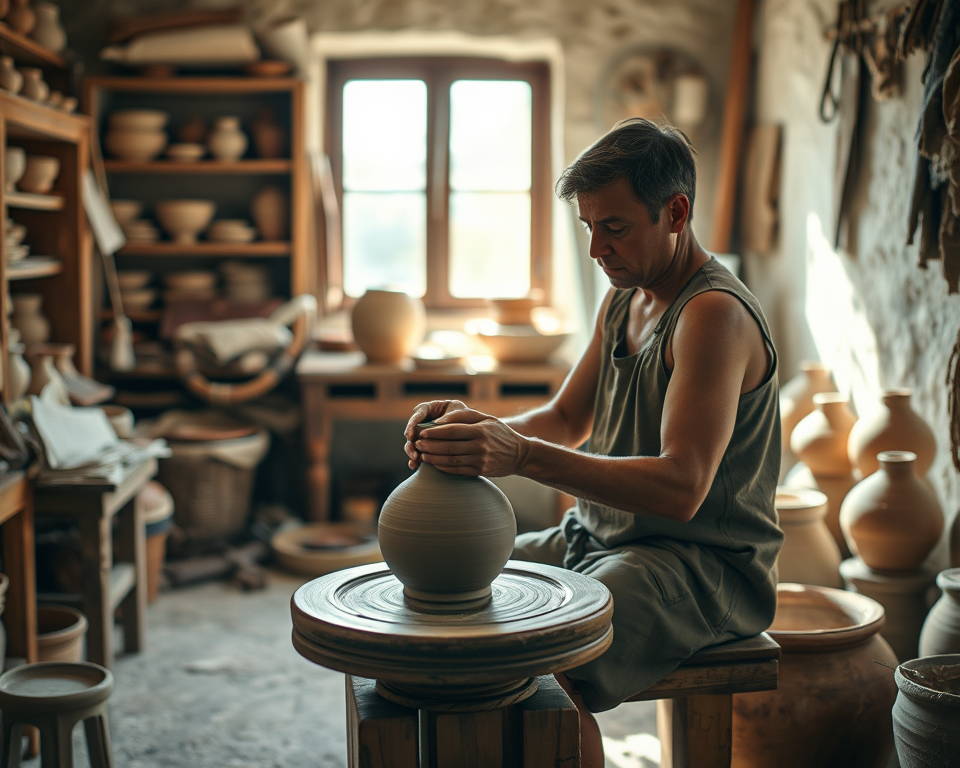
When I first thought about pursuing a major in pottery, I’ll admit, I was a bit skeptical. Was it even possible? What kind of career could I build around shaping clay? Maybe you’re feeling that same rush of curiosity and fear at the idea of majoring in pottery. What if I told you diving into the world of ceramics might just be one of the most rewarding paths you could take—both creatively and professionally? Let’s get into the nitty-gritty of what majoring in pottery entails.
Table of Contents
- 1 Key Takeaways
- 2 Understanding Pottery as a College Major
- 3 Coursework and Skill Development
- 4 Career Opportunities with a Pottery Degree
- 5 Alumni Success Stories
- 6 Notable Institutions Offering Pottery Programs
- 7 Emotional and Financial Considerations
- 8 Conclusion: Embracing a Pottery Major
- 9 Frequently Asked Questions
- 9.1 What are the key skills you learn in a pottery or ceramics program?
- 9.2 Are there online pottery courses available for degree completion?
- 9.3 How do pottery programs compare with other art programs?
- 9.4 What types of financial aid are specifically available for art students?
- 9.5 Can you pursue a master’s degree in pottery or ceramics, and what does it involve?
- 9.6 What career paths are unusually available for pottery graduates?
- 9.7 Are apprenticeships important in the pottery field?
- 9.8 How can I build a portfolio for a pottery or ceramics program?
- 9.9 What should I consider when choosing a pottery program?
- 9.10 Is job security a concern for pottery graduates in the current market?
Key Takeaways
- A pottery major offers diverse career opportunities, including roles as a ceramic artist, art educator, or even an art therapist.
- Institutions providing pottery programs vary greatly in strength, with some renowned for exceptional faculty and resources.
- While studying pottery requires a financial commitment, numerous scholarships and funding options are available to ease the burden.
- Hands-on experience is crucial in pottery programs, where you’ll develop essential artistic and technical skills.
Understanding Pottery as a College Major
So, what’s the deal with pottery as a college major? First off, being a pottery enthusiast isn’t just about making mugs and bowls. It’s a legit fine arts discipline focused on mastering form, function, and artistry through clay. What’s fantastic is that this major intertwines with other art forms, giving you a broader view of artistic expression.
You’ll find programs designated as ceramics majors or pottery-focused degrees in various art schools across the United States. These institutions allow you to immerse yourself in crafting, firing, glazing, and more. Trust me, the magic lies in the entire process, and every mistake teaches you something valuable!
Overview of Degree Options
Let’s explore what kind of degree options you would typically encounter.
- Undergraduate Programs: Most likely, you’ll start with a Bachelor’s in Fine Arts (BFA) that focuses on ceramics, which is designed to blend general art education with specialized pottery techniques.
- Associate Degrees: If you’re looking to dip your toes without a massive commitment, many community colleges offer two-year associate degrees, which can be a springboard into a BFA program.
- Master’s Programs: For those who want to level up, a Master’s in Fine Arts (MFA) gives you a chance to peak deeper into advanced techniques and personal artistry, equipping you for teaching roles or high-level artistic careers.
Oh, and don’t forget about options like minors in Art Education or Art Therapy. These can mix your love for clay with teaching or helping others express themselves artistically.
Coursework and Skill Development
Now, let’s talk about coursework; this is where hands-on learning meets creativity. Picture yourself in a vibrant studio, surrounded by clay and pottery wheels—pure bliss, right?
The curriculum typically includes studio work, where you’ll engage in practical experiences that are essential for skill-building. Some common courses you might encounter while soaring through your pottery journey include:
- Ceramic Techniques: Here, you’ll learn the foundational methods for shaping, coating, and firing your pieces. Expect a lot of hands-on learning with materials like stoneware, earthenware, and porcelain.
- Artistic Skills Development: Artistic expression goes beyond just shaping clay. You’ll dive into design theory, color mixing, and even the history of ceramic arts, helping you build a well-rounded skill set.
- Art Classes: Expect to branch out into drawing, painting, or sculpture, allowing you to channel that creative energy across different mediums.
Don’t stress; while the technical stuff is vital, let your creative juices flow too! Each piece you create tells a story, so don’t shy away from bringing your unique flair to the table.
Career Opportunities with a Pottery Degree
After putting your heart and soul into your pottery education, you might wonder how that translates into a career. The beauty is that a pottery degree opens multiple doors across various fields! From teaching to therapeutic roles, your skills as a ceramic artist can flourish in ways you might not have expected.
What You Can Do with a Pottery Degree
So, what are your potential career roles? Let’s break this down:
- Ceramic Artist: This is the most direct route, where you get to create beautiful artistic pieces. You can showcase your work in galleries or sell them online. Websites like Etsy have made it super easy to share your creations with the world.
- Pottery Instructor: Love passing on your knowledge? There’s a need for pottery teachers at schools and community centers, where you can inspire others to express their creativity.
- Art Therapist: This role combines your passion for pottery with helping others. You would use art, including ceramics, as a therapeutic medium for individuals seeking emotional healing.
- Art Director: Your artistic flair could also take you into commercial realms as an art director, overseeing creative processes in design studios or advertising agencies.
The job market is ever-changing, so keep your eyes peeled for opportunities that align with your artistic passions and your unique talents!
Alumni Success Stories
Speaking of opportunities, let’s stay motivated by diving into some success stories! Many renowned artists started from the basics in pottery programs. For example, Maya Lin, an artist best known for her Vietnam Veterans Memorial in Washington, D.C., began her artistic journey majoring in fine arts. Her training in various mediums, including clay, helped shape her unique approach to art.
There’s also Peter Voulkos, a ceramic innovator who pushed the boundaries of pottery and became a major influence on contemporary ceramics. These stories can be inspirational as you carve out your path!
“Art is not what you see, but what you make others see.” – Edgar Degas
Notable Institutions Offering Pottery Programs
Now that we’ve explored some career possibilities, let’s take a look at where you might study pottery. Picking the right institution is crucial because it impacts your education, networking, and community.
Top Schools with Pottery Programs:
| School Name | Degree Offered | Known For | Approx. Tuition (Annual) |
|---|---|---|---|
| Rhode Island School of Design | BFA in Ceramics | Strong faculty, vibrant community | $53,000 |
| University of Washington | BFA in Ceramics | Cutting-edge facilities | $38,000 |
| California College of the Arts | BA in Ceramics | Innovative projects | $51,000 |
| Alfred University | BFA/MFA in Ceramics | Extensive resources, critical thinking emphasis | $46,800 |
The list could go on! When you’re checking out these institutions, you want to consider their pottery program strengths. Some might have a better reputation for faculty expertise, while others might stand out in essential studio resources or unique course offerings.
Comparison of Pottery Programs
Okay, so we’ve got quite a few institutions that offer pottery programs, but how do you assess them all? Start by looking at what each program emphasizes. You may want to consider:
- Curriculum Variety: Do they focus solely on pottery, or are there opportunities to explore broader art forms?
- Industry Connections: Are there opportunities for internships or collaborations with local artisans and businesses?
- Teacher Expertise: Research faculty backgrounds. What have they accomplished in their careers, and what unique perspectives can they bring to your education?
Being informed allows you to make an educated decision when narrowing down your choices.
Faculty Expertise and Resources
Let’s not forget about faculty expertise and the resources available! Experienced instructors play a pivotal role in shaping your creative expression. Many faculty members are practicing artists who bring real-world experience to the classroom.
Look for schools that offer mentoring opportunities, where professors guide students through their artistic development. Also, check out the resources that each programs provide, such as:
- Studio Access: 24/7 access to studios gives you freedom to create whenever the inspiration hits.
- Material Supply: Investigate institutions that support students with access to high-quality pottery materials and equipment.
- Exhibition Spaces: Schools that feature student exhibitions or art shows provide great platforms for showcasing your work and connecting with the community.
Emotional and Financial Considerations
It’s time to get real about some emotional and financial factors. Yes, pursuing a degree in pottery can be fulfilling, but it’s also an investment. Understanding the financial landscape will ease some anxieties as you map out your journey.
Job Security in the Arts
One of the main concerns about pursuing an arts degree is job security. It’s well known that the arts often face economic fluctuations, but here’s a silver lining: the demand for creativity is steadily growing! More businesses are recognizing the need for artistic thinking, and that includes pottery.
Research shows that creative professionals frequently have higher job satisfaction. Plus, as a ceramics artist, you might even build a loyal clientele. When it comes to job stability in the arts, being versatile and adaptable is key.
Cost of Education and Financial Aid
Now, let’s talk numbers. College tuition can feel intimidating, especially for art programs that often feature expensive tools and materials. What’s encouraging is that many schools offer funding options and scholarships specifically for art students. Here are a few tactics to explore:
- Grants and Scholarships: Look for specific art grants targeted at ceramics students. Many schools have dedicated funds you can apply for!
- Student Loans: Understand your financing options. Federal loans may offer lower interest rates compared to private loans.
- Budgeting for Education: Create a budget that includes all costs—tuition fees, supplies, living expenses. Staying organized with your finances makes the big picture clearer and more manageable.
Remember, it’s essential to ask the institutions you’re interested in about financial aid packages available to students majoring in ceramics. You’d be surprised how many resources are out there!
Conclusion: Embracing a Pottery Major
Let’s celebrate the journey of pursuing a pottery major! It stands to be more than merely an educational path; it’s a gateway to becoming part of something much larger than clay itself. Embracing this creative journey will inevitably lead to personal growth and artistic fulfillment, impacting not only your life but potentially those of others through your craft. With the right information, resources, and a dash of bravery, you’re well on your way to making waves in the vibrant world of pottery!
Frequently Asked Questions
What are the key skills you learn in a pottery or ceramics program?
In a pottery or ceramics program, students typically learn essential skills such as hand-building techniques, wheel throwing, glazing methods, and firing processes. These technical skills are complemented by courses in design principles, art history, and creative problem-solving, facilitating a well-rounded artistic education.
Are there online pottery courses available for degree completion?
Yes, many institutions now offer online courses for students interested in completing a ceramics degree remotely. These courses often include virtual workshops, video tutorials, and interactive assignments that allow students to develop their pottery skills at home. However, practical studio courses may still require in-person attendance.
How do pottery programs compare with other art programs?
Pottery programs often focus on specific techniques and materials unique to ceramics, while other art programs may cover broader disciplines like painting or sculpture. When evaluating programs, consider factors such as curriculum focus, facility access, and faculty expertise to determine which aligns best with your artistic interests.
What types of financial aid are specifically available for art students?
Art students can access various forms of financial aid, including grants, scholarships dedicated to the arts, work-study opportunities, and federal aid. Many art institutions also offer merit-based scholarships that recognize artistic talent, so prospective students should research options early in the application process.
Can you pursue a master’s degree in pottery or ceramics, and what does it involve?
Yes, master’s degrees in ceramics are available, focusing on advanced techniques, research, and studio practice. These programs typically require a portfolio submission, an in-depth study of ceramic arts, and culminate in a thesis or final exhibition that showcases your mastery and personal artistic voice.
What career paths are unusually available for pottery graduates?
Beyond traditional roles like ceramic artist and pottery instructor, graduates can explore unique careers such as ceramic chemist, product designer for ceramics, or even creative directors in industries that incorporate pottery into their product lines. The versatility of a pottery degree opens doors to unconventional yet fulfilling career paths.
Are apprenticeships important in the pottery field?
Yes, apprenticeships can be incredibly beneficial for pottery students. They provide hands-on experience, mentorship from established artisans, and a deeper understanding of the business side of the craft. Many successful pottery professionals begin their careers through apprenticeships, learning skills that formal education may not cover.
How can I build a portfolio for a pottery or ceramics program?
Building a portfolio for pottery programs requires showcasing a variety of your best work, including different techniques and styles. Include photographs of completed pieces, process documentation, and sketches. It’s also helpful to reflect personal concepts or themes in your work to demonstrate your artistic vision and growth.
What should I consider when choosing a pottery program?
When selecting a pottery program, consider factors such as curriculum offerings, faculty qualifications, studio facilities, and opportunities for hands-on experience. Additionally, think about program size, community, and whether the institution’s values align with your own artistic goals and vision.
Is job security a concern for pottery graduates in the current market?
Job security can vary in the arts, but pottery graduates can increase their prospects through versatility and continuous skill development. Engaging in networking, participating in exhibitions, and diversifying product offerings can enhance marketability and resilience against economic fluctuations in the creative industries.
