
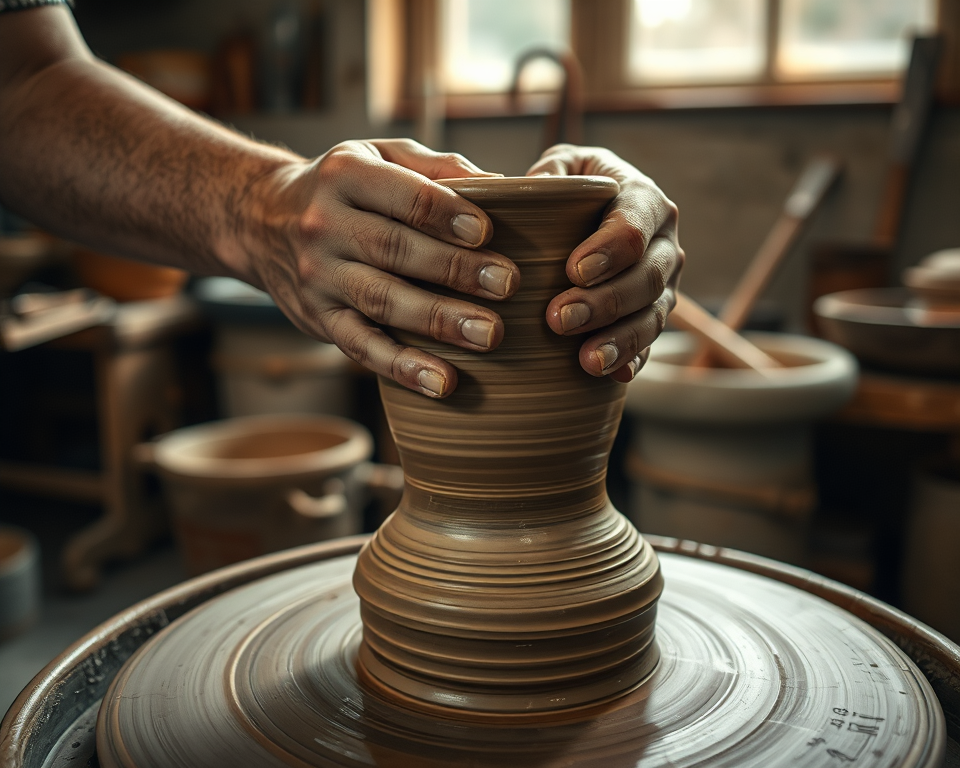
When I first dipped my hands into the world of pottery, I was fascinated. The idea that a humble lump of clay could transform into a functional piece of art was captivating! But here’s the kicker: I quickly learned that the secret sauce behind all great pottery isn’t just the shaping of the clay—it’s firing. Yep, that magical process of exposing our beloved creations to intense heat is what brings them to life (and trust me, there’s a lot more to it than just sticking them in an oven). So, let’s jump right into why firing is the backbone of pottery making.
Table of Contents
- 1 Key Takeaways
- 2 Firing Basics: Understanding the Pottery Firing Process
- 3 Importance of Firing in Pottery Quality
- 4 Types of Pottery Firing and Their Effects
- 5 Common Pitfalls in Pottery Firing: Mistakes to Avoid
- 6 Engaging with the Pottery Community: Learning and Sharing
- 7 Frequently Asked Questions
- 7.1 What is bisque firing, and why is it important?
- 7.2 How do clay types affect the firing process?
- 7.3 What common mistakes should I avoid when firing pottery?
- 7.4 How do I choose the right kiln for my pottery firing needs?
- 7.5 Can I use the same glaze for both bisque and glaze firing?
- 7.6 What steps should I take to ensure my kiln is operating safely?
- 7.7 What are the effects of reduction and oxidation firing on pottery?
- 7.8 How often should I clean my kiln, and why is it necessary?
- 7.9 What resources are available for beginners to learn more about pottery firing?
Key Takeaways
- Firing is Essential: It’s crucial for achieving durability and functionality in pottery.
- Temperature Matters: Different temperature ranges impact clay properties and finished quality.
- Avoid Common Mistakes: Embracing the firing process means learning to dodge those newbie errors, like improper glaze application.
- Different Techniques for Different Effects: Knowing the firing types lets you explore a range of artistic styles.
- Get Involved: The pottery community is a treasure trove of knowledge—don’t miss out on connecting with fellow potters.
Firing Basics: Understanding the Pottery Firing Process
Let’s start with the basics. Firing pottery is the process of baking your handcrafted pieces in a kiln to reach a specific temperature. The magic happens at various stages of this process, which I’ll break down for you.
The Stages of Firing
When you fire pottery, there are key stages involved, each playing a pivotal role in the final product’s characteristics:
Initial Firing (Bisque Firing): This is where the transformation begins. During the bisque firing, the clay is heated to temperatures between 1,830°F to 2,100°F, which hardens it and makes it easier to handle. This process removes moisture and transforms the physical structure of the clay.
Final Firing (Glaze Firing): After creating your glaze masterwork, you’ll need to pop your piece back in the kiln. This final phase is when your glaze fuses to the pottery, adding color and shine. It typically occurs at a slightly higher temperature, around 1,830°F to 2,400°F, depending on the type of clay and glaze you’re using.
Cooling Phase: After firing, patience is key. The kiln needs to cool down slowly to avoid thermal shock—this is crucial for preventing cracks and defects in your pieces.
Interestingly, there are also specific firing techniques like reduction firing, which affects the final look of your pottery through adjusted oxygen levels in the kiln.
Temperature Ranges and Their Importance
You might wonder why temperature matters so much in firing—well, it’s because it affects everything from the clay’s durability to how your glaze bonds. Here’s a recap of the essential temperature ranges and their effects:
| Type of Clay | Firing Temperature Range | Characteristics |
|---|---|---|
| Low-Fire Clay | 1,830°F to 2,000°F | Bright colors, not very durable |
| Mid-Fire Clay | 2,000°F to 2,350°F | Balanced durability and aesthetics |
| High-Fire Clay | 2,350°F to 2,600°F | Extremely strong and durable |
So, if you’re aiming for vibrant colors and prefer a casual approach, low-fire clay could be your go-to. But if you want something robust and able to withstand the test of time (like those beautiful stoneware pieces), high-fire clay is the way to go.
Importance of Firing in Pottery Quality
Alright, let’s get to the meat of it—why should you care about firing? Well, firing takes your projects from fragile dirt to solid works of art. The process is essential for achieving the desired durability that allows your creations to be used daily without falling apart. Fired pottery is not just aesthetically pleasing; it’s durable, functional, and truly ready to embrace the world.
Material Changes During Firing
During the firing process, clay undergoes significant changes. It’s much more than just heating clay; it’s about chemistry! Here’s how firing changes your clay material:
Vitrification: This process allows clay particles to bond and form a glass-like surface. It’s what gives your pottery that smooth finish and makes it less porous, which is crucial for functionality.
Glaze Interaction: When you apply glaze to your pottery and fire it, the glaze glassifies, creating a beautiful and protective coating. Understanding glaze chemistry can help you achieve the perfect color and texture.
Silica Transformation: Silica is a primary component of clay that undergoes remarkable changes during firing. It plays a vital role in the strength and durability of the final piece.
“Firing ceramics isn’t just about heat; it’s a delicate dance of chemistry and timing that defines the final piece.”
So remember, understanding these changes can significantly impact how you approach your pottery projects, leading to better results every time.
Health and Safety Considerations
Now, I can’t stress this enough: safety first, folks! Working with kilns and high temperatures demands a fair amount of respect and care.
Here are some essential health and safety precautions:
Ventilation: Make sure your workspace is well-ventilated, especially during glaze application and firing. This minimizes any harmful fumes that can arise from certain glazes.
Protective Gear: Invest in a good apron and heat-resistant gloves to protect yourself when handling hot pieces. You can never be too careful!
Kiln Operation Safety: Familiarize yourself with your kiln’s operation manual. Know when to check the temperature, when to open the door, and proper practices for firing your clay safely.
Sticking to these safety protocols can make your pottery journey much smoother and allow you to focus on expressing your creativity without any hiccups.
Types of Pottery Firing and Their Effects
As you dive deeper into pottery, you’ll encounter various firing techniques. Understanding these methods can open doors to new artistic possibilities. The key here is to match your desired style with the corresponding firing technique.
Overview of Different Firing Techniques
Oxidation Firing: This is the most common method, where the kiln has sufficient oxygen for combustion. It produces bright, vibrant colors, especially in glazes.
Reduction Firing: This technique limits oxygen, creating unique colors and effects that can’t be achieved with oxidation. It’s particularly popular in stoneware and some raku processes.
Saggar Firing: This is a fascinating firing method where pots are packed with materials to create surface effects. It’s a more experimental and artistic approach.
Pit Firing and Smoke Firing: These are ancient techniques that produce unique, earthy finishes. They can be a fun way to explore different aesthetic styles.
By experimenting with these different firing techniques, you can significantly impact not just your pottery’s appearance but also how it interacts with light and texture.
Comparing Bisque vs. Glaze Firing
Let’s clear up a common point of confusion: bisque firing versus glaze firing. Though often mentioned together, they serve distinct purposes in the pottery process:
| Type of Firing | Purpose | Ideal Temperature Range | Result |
|---|---|---|---|
| Bisque Firing | Harden and prepare clay | 1,830°F – 2,100°F | Prepares pot for glazing; porous surface |
| Glaze Firing | Fuse glaze to clay | 1,830°F – 2,400°F | Creates a glassy, non-porous finish |
Understanding the difference helps you strategize your projects—what you are aiming for in terms of both aesthetics and functionality.
Common Pitfalls in Pottery Firing: Mistakes to Avoid
As with any craft, there are common pitfalls you wanna avoid during firing. Believe me, I’ve made these mistakes—and learned my lesson the hard way. Here’s how to sidestep those traps, so you can take your pottery to the next level.
Troubleshooting Firing Issues
If you’ve ever pulled a piece from the kiln only to find cracks, duds, or undesirable colors, you know the frustration. Here’s how to remedy some of these firing issues:
Cracked Pottery: Check your clay’s moisture content before firing; too much water can lead to cracking.
Glazing Mistakes: Ensure your glaze is applied evenly and in the right thickness. A thick layer means higher chances of problems during firing.
Temperature Inconsistencies: Regularly calibrate your kiln thermocouples. A consistent heating profile is essential to avoid defects.
“Every mistake is just a stepping stone on the path to mastering the art of pottery. Don’t be discouraged!”
Avoiding Pitfalls: Expert Insights
The pottery community is an absolute goldmine of tips and tricks for avoiding common errors:
Seek Feedback: Join pottery classes or local workshops to learn from experienced ceramists. They can spot mistakes you might miss.
Document Your Process: Keeping a firing journal is a nifty way to track what works and what doesn’t for your specific techniques and materials.
Experiment and Reflect: Don’t shy away from trying new glazes and firing techniques—reflection will always lead you to improvement.
Remember, pottery is a journey—not a race. Embrace the learning moments along the way.
Engaging with the Pottery Community: Learning and Sharing
If there’s one thing I’ve learned as a potter, it’s that community matters. There’s a whole world out there filled with eager learners, skilled artists, and seasoned veterans just waiting to share insights about firing—and all things pottery!
Resources for Pottery Enthusiasts
Whether you’re a newbie or a seasoned pro, there’s no shortage of resources to help you refine your craft. Some of my favorite go-to’s include:
Pottery Books: Check out titles like “The Complete Guide to Ceramics” for tips on techniques and firing processes.
Online Courses: Platforms like Skillshare and Craftsy offer on-demand pottery tutorials that cover firing methods extensively.
YouTube Channels: Creators like “The Ceramic School” offer stellar demo videos that make firing more approachable—definitely worth a subscribe!
Connecting with Other Potters
Look, you don’t have to do this alone! Joining pottery clubs or groups on social media can lead to incredible connections:
Local Pottery Groups: These are awesome for networking and trading advice. Plus, they often host workshops, which are fun and informative!
Online Forums: Websites like Pottery Heads or Reddit’s Pottery subreddit allow you to ask questions, share your works, and engage with other creatives.
“Pottery is more than a craft; it’s a community that shares, learns, and grows together. Don’t miss out!”
By immersing yourself in the community, you’ll learn invaluable lessons while building connections that will inspire you in your pottery journey.
Here’s to a successful firing process that turns your everyday clay into extraordinary art! Get fired up and see where this adventure takes you!
Frequently Asked Questions
What is bisque firing, and why is it important?
Bisque firing is the initial firing of clay pieces without glaze, which hardens the clay and prepares it for glazing. This process removes moisture and organic materials, making the pottery more durable and allowing for better glaze adhesion during the subsequent glaze firing.
How do clay types affect the firing process?
Different types of clay, such as earthenware, stoneware, and porcelain, each have specific firing temperatures and characteristics. Low-fire clays typically vitrify at lower temperatures, while high-fire clays require more heat to reach their optimal hardness. Understanding the type of clay can significantly influence the firing duration and final product quality.
What common mistakes should I avoid when firing pottery?
Common mistakes include overloading the kiln, which can cause uneven heat distribution, and not properly cleaning items before glazing, leading to defects. Additionally, failing to accurately monitor temperature can result in under-firing or over-firing, affecting the structural integrity of the pottery.
How do I choose the right kiln for my pottery firing needs?
Selecting the right kiln depends on your pottery style and materials. Electric kilns are convenient for beginners, while gas kilns allow for varied atmospheres. Consider factors such as size, firing temperature range, and the specific types of projects you plan to undertake when making your choice.
Can I use the same glaze for both bisque and glaze firing?
Generally, glazes need to be designed for the specific firing stage they will be subjected to. Many glazes are formulated for either bisque or glaze firing, and using the wrong type can lead to undesirable results, such as poor adhesion or discoloration.
What steps should I take to ensure my kiln is operating safely?
To ensure safe kiln operation, always maintain proper ventilation, avoid overcrowding, and regularly check for gas leaks if using a gas kiln. Additionally, it’s essential to keep flammable materials away from the kiln and monitor temperature settings closely to prevent overheating.
What are the effects of reduction and oxidation firing on pottery?
Reduction firing, where oxygen is limited, can create unique surface effects and colors in pottery. In contrast, oxidation firing, where there is ample oxygen, often leads to brighter and more predictable colors. Experimenting with these methods can produce varied aesthetic results in your ceramic work.
How often should I clean my kiln, and why is it necessary?
Regular cleaning of your kiln is crucial to prevent the buildup of debris that can affect firing quality and cause contamination in your pottery. It’s recommended to clean the kiln after every few firings, depending on the type of materials used, to maintain optimal performance and extend its lifespan.
What resources are available for beginners to learn more about pottery firing?
Numerous resources are available for novices, including online courses, YouTube tutorials, and books focusing on pottery techniques. Local pottery studios often offer classes and workshops, and joining pottery community groups can provide valuable insights and support as you develop your skills.
This FAQ section aims to address additional concerns not fully explored in the main article while being informative and relevant to both beginners and experienced potters.
