
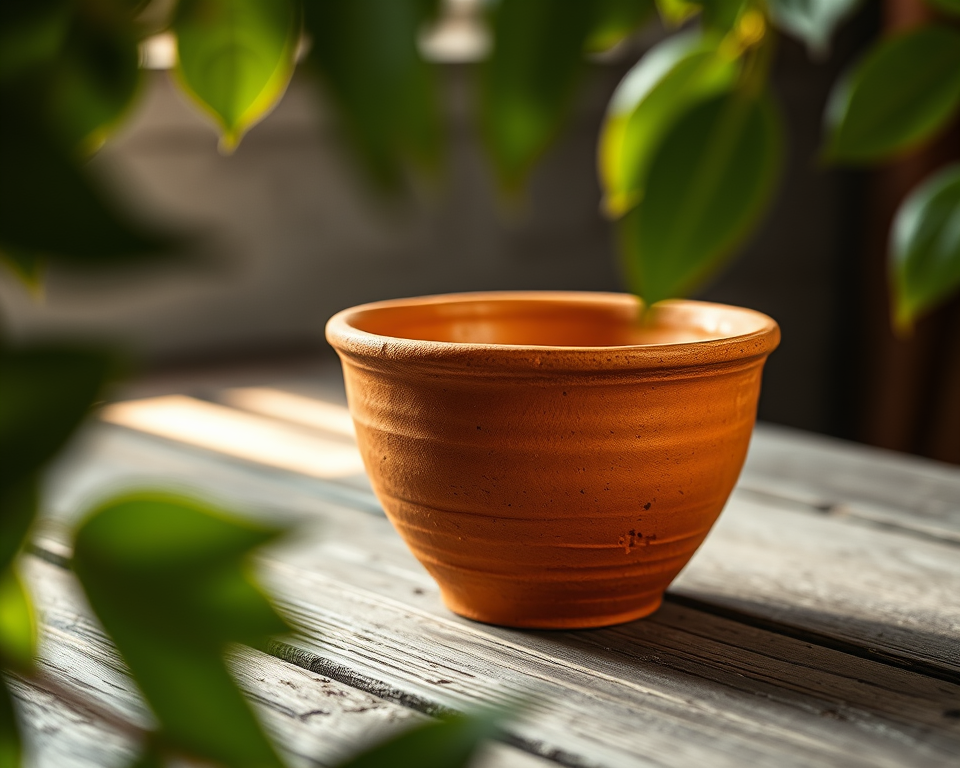
When I first stumbled upon redware pottery, it felt like uncovering a little piece of history hiding right in plain sight. There’s something undeniably captivating about the rich warmth of redware. It’s not just pottery; it’s an art form that’s steeped in tradition, culture, and stories passed down through generations. If you’ve ever wondered about the origins, characteristics, or uses of redware, you’re in for a treat. Let me take you on a journey that shines a light on this beautiful craft, and why it’s still relevant today.
Table of Contents
- 1 Key Takeaways
- 2 Historical Context of Redware Pottery
- 3 Characteristics and Manufacturing Process
- 4 Uses and Significance of Redware
- 5 Common Designs and Patterns in Redware Pottery
- 6 Understanding the Safety and Durability of Redware
- 7 Frequently Asked Questions
- 7.1 What is the historical significance of redware pottery?
- 7.2 How does the manufacturing process of redware differ from other types of pottery?
- 7.3 What types of clay are commonly used in redware pottery?
- 7.4 Are there any traditional techniques specific to redware pottery?
- 7.5 How can I determine if redware pottery is food-safe?
- 7.6 What are some common care tips for maintaining redware pottery?
- 7.7 What artistic styles can be found in redware pottery designs?
- 7.8 How do seasonal themes influence redware pottery designs?
- 7.9 Can you explain the durability of redware compared to other pottery types?
- 7.10 What role do artisans play in the continuation of redware pottery traditions?
Key Takeaways
- Redware pottery has centuries of history, showcasing craftsmanship that reflects cultural heritage.
- The making process involves unique materials and techniques, resulting in distinct characteristics that set it apart from other pottery types.
- Whether for practical use or artistic display, redware has a significance that resonates with many people.
- Understanding the safety and durability of redware is essential for those looking to incorporate it into their home.
Historical Context of Redware Pottery
When you think of pottery historically, you might picture ancient civilizations and their intricate clay creations. Redware pottery has roots in these stories. Its origins trace back to ancient times, where artisans used local clays, often rich in iron, giving the pottery its signature reddish hue. From Native American tribes to early European settlers, this style spoke volumes about the cultural significance of craftsmanship.
The Evolution of Redware Pottery
Isn’t it fascinating how something as simple as clay can tell us so much about societal changes? Over the centuries, redware has evolved significantly. Early pottery pieces were primarily utilitarian, aimed at fulfilling the everyday needs of communities. They were often decorated minimally. However, as artisans honed their skills, their designs began to include what we now consider artistic expressions—think intricate patterns that depict lives, culture, and environment.
Here’s a quick look at how redware pottery progressed through history:
| Period | Characteristics |
|---|---|
| Ancient Times | Simple, functional pieces; basic shapes and designs. |
| Colonial Era | Increased complexity in design; introduction of glazing. |
| 19th Century | Flourished with artistic motifs; began to represent state pride. |
| Contemporary Era | Diverse range of styles; merging of traditional and modern techniques. |
From handmade mugs to decorative dishes, there’s a palpable connection between the potters of the past and those creating masterpieces today.
Major Regions and Cultures Associated with Redware
Traveling across regions of the U.S., you’re bound to come across different styles of redware pottery. Think of Pennsylvania Dutch ceramics and the unique works produced in the Southwest by Native American tribes. The distinctive techniques and aesthetics vary, reflecting the local cultures and traditions.
While redware has a stronghold in North America, its counterparts exist around the globe—from the English slipware to Mexican majolica, each variation offers a unique insight into communal heritage and the artistry that binds us all through clay.
Characteristics and Manufacturing Process
As I got deeper into the world of redware, I couldn’t help but admire its unique characteristics. There’s something inviting about its earthy tones and rustic textures that just speaks to the soul—don’t you think? So, what sets redware apart from other pottery styles?
Key Features of Redware Pottery
The first thing you’ll notice about redware is its vaunted reddish color. But the real charm lies in its texture and function:
- Durability: While it might not be as tough as stoneware, it’s still quite resilient, making it well-suited for everyday use—just be careful with high temperatures!
- Porosity: Redware is porous, which means it breathes well and can enhance the flavors of foods and beverages. Imagine sipping your favorite coffee from a handcrafted mug that elevates that rich flavor!
- Design Variability: From intricate glazes to simplistic, rustic finishes, you’ll find redware that appeals to a wide variety of tastes.
How Redware Pottery is Made
Curious about how this art piece comes into being? Let me walk you through the process. It starts with selecting the right clay, which is vital because it influences the final product’s color and texture.
Here’s how it works:
- Clay Preparation: Clay is sourced, often locally, and kneaded to remove air bubbles. The type of clay used directly impacts the authenticity of the final piece.
- Shaping Pottery: This is where the magic happens! Using techniques like hand-building or the potter’s wheel, artisans shape the clay into functional and decorative items.
- Drying and Firing: Once shaped, the pieces are left to dry. The pack goes into a kiln for the first firing—a crucial step that hardens the clay but doesn’t glaze it yet.
- Glazing: After the initial firing, the artisans apply a glaze to the piece. This adds both color and protection, making it suitable for use.
- Final Firing: The glazed piece goes back into the kiln for a second firing, solidifying the glaze and enhancing its vibrant hues.
It’s a labor-intensive process, and it’s one of the reasons why handcrafted redware holds so much value.
Uses and Significance of Redware
You might be wondering, what exactly do people use redware pottery for? Well, let me tell you—it’s a versatile option used in so many ways!
Artistic and Functional Uses of Redware
Practically speaking, redware isn’t just for show. I mean, let’s be real; it can be a part of your everyday life! Here are some ways people incorporate redware into their homes:
- Cooking and Serving: You can use redware for baking, serving meals, or even as decorative kitchenware.
- Artistic Displays: Many collectors love showcasing colorful redware pieces on shelves or display cabinets. It’s a conversation starter for sure!
- Heritage Crafts: Some artisans focus solely on creating functional pots that reflect historical methods, highlighting our connection to the roots of pottery-making.
With redware, you’re not just acquiring a piece of pottery; you’re garnering a connection to history and culture—a sentiment I find truly inspiring.
The Cultural Relevance of Redware
Beyond their physical uses, redware pieces tell stories. They embody the cultural significance of the communities they come from. For instance, you’ll often find redware through artisans promoting sustainability and traditional craftsmanship. They emphasize the importance of preserving ways that might otherwise fade into obscurity.
Think about it: When you purchase a handmade redware piece from a local artist, you’re not simply making a transaction; you’re supporting a legacy. As a proud owner of such a piece, you too become a part of that ongoing story!
“Each piece of redware is a chapter in the narrative of human creativity,” a pottery artisan once told me. It’s a beautiful thought, isn’t it?
Common Designs and Patterns in Redware Pottery
Now, let’s get into some visual eye candy! The designs seen in redware can vary immensely, influenced by region and culture. It’s a testament to the creativity and artistry of potters around the globe.
Notable Patterns in Redware Pottery
Patterns can range from intricate floral designs to simpler geometric shapes. I’ve seen pieces where rich blue and lush green glazes accentuate the red background, creating a feast for the eyes.
Some common motifs you might come across include:
- Floral Accents: Beautiful, organic motifs that bring a touch of nature indoors.
- Geometric Shapes: Clean lines and patterns that often symbolize harmony and balance.
- Historical Themes: Many artisans incorporate ideas or symbols reflecting important cultural tales.
And let’s not forget that these patterns can have significant meanings tied to the potters’ personal or cultural experiences!
Seasonal and Thematic Variations
Interestingly, many potters create seasonal pottery reflecting holidays or themes. The artistry often shifts throughout the year, with certain designs representing cultural festivals, seasonal changes, or even particular traditions.
Here’s a quick look at different themes:
| Theme | Example Designs |
|---|---|
| Spring | Floral patterns, pastel colors |
| Fall | Earthy tones, harvest motifs |
| Winter | Cool colors, holiday themes |
| Cultural Celebrations | Traditional symbols and patterns |
It’s fascinating how pottery can change with the seasons, weaving itself into these traditions!
Understanding the Safety and Durability of Redware
Okay, so let’s address something super important—safety! If you’re thinking about using redware in your home, you probably want to know if it’s food-safe and durable for daily use.
Is Redware Pottery Safe to Use?
When it comes to food safety, high-quality redware is generally safe. However, there are a few factors you should consider:
- Lead Glazes: Some older or less artisanal pieces might contain harmful paints or glazes. Always check that your redware is certified for food use.
- Durability: While it’s robust, redware isn’t as durable as stoneware. So, while you can bake in it, handling with care ensures your cherished piece won’t chip!
If you’re considering a beautiful redware dish for dinner parties, just check the label for safety, and you’re good to go!
Caring for Redware Pottery
To keep redware looking its best, there’s a bit of TLC involved. Here’s what I do to maintain my collection:
- Cleaning: Always hand-wash your redware with mild soap and lukewarm water. Dishwasher use can be tough on its finishes!
- Storing: Make sure to store your pieces where they won’t knock against each other—trust me, a little precaution goes a long way.
- Avoiding Extreme Temperatures: While redware can handle some heat, sudden temperature changes can crack it. So, no dumping cold soup into a hot bowl!
“Caring for pottery is like nurturing a relationship; it needs empathy and effort.” This insight resonates with me every time I wash my favorite mug.
By treating your redware kindly, it can be a beautiful part of your home for years to come.
Redware pottery embodies rich traditions and artistry, blending history and contemporary relevance in stunning ways. While admiring its unique characteristics, we also appreciate the culture it represents. So, whether you’re a pottery enthusiast, a collector, or just a curious soul, there’s a warm and inviting world of redware waiting for you to explore!
Frequently Asked Questions
What is the historical significance of redware pottery?
Redware pottery has deep historical roots, often reflecting the cultures and communities where it originated. It represents centuries of craftsmanship, adaptation, and cultural heritage, highlighting the evolution of traditional pottery styles within various regions, often used in household wares and ceremonial artifacts.
How does the manufacturing process of redware differ from other types of pottery?
Redware pottery is typically made using earthenware clay, which is shaped and fired at lower temperatures than stoneware or porcelain. The manufacturing process involves hand-shaping, glazing with iron-rich substances to achieve its signature red color, and firing in a kiln, making it distinct in both appearance and functionality.
What types of clay are commonly used in redware pottery?
The most commonly used clay for redware pottery is earthenware, which is rich in iron oxide. This type of clay enables the characteristic red hue after firing. Other regional variations might use local clays with unique mineral content, influencing the final color and finish of the pottery.
Are there any traditional techniques specific to redware pottery?
Yes, traditional techniques include slip trailing, where liquid clay is applied to create designs, and sgraffito, where the surface is scratched to reveal a contrasting color beneath. These methods enhance redware’s aesthetic appeal and link it to historical crafting practices.
How can I determine if redware pottery is food-safe?
To determine if redware pottery is food-safe, check for proper glazing techniques and certifications from the manufacturer. Avoid using pieces with lead-based glazes or extensive crazing, which can harbor bacteria or leach substances. Always inquire about health standards before usage.
What are some common care tips for maintaining redware pottery?
To maintain redware pottery, avoid drastic temperature changes that can lead to cracking. Hand wash with mild soap and a soft sponge, avoid abrasive materials, and store in a dry place away from direct sunlight to prolong life and preserve color vibrancy.
What artistic styles can be found in redware pottery designs?
Redware pottery designs can vary widely, incorporating regional motifs, floral patterns, geometric shapes, and historical narratives. Each region often adds unique influences, allowing for a diverse range of artistic expressions that reflect local traditions and stories.
How do seasonal themes influence redware pottery designs?
Seasonal themes often lead to variations in motifs and colors used in redware pottery. For example, festive motifs might become prominent during holidays, with certain colors and designs reflecting seasonal changes, showcasing the artistry and cultural relevance surrounding annual celebrations.
Can you explain the durability of redware compared to other pottery types?
Redware pottery, while durable for everyday use, is generally less resilient than stoneware. It is more porous and may chip more easily. Care in handling and adherence to maintenance tips can enhance its longevity, but it remains best suited for decorative rather than heavy-duty functional use.
What role do artisans play in the continuation of redware pottery traditions?
Artisans are vital to preserving and passing down the skills of redware pottery. Their work not only sustains traditional techniques but also innovates within the medium, connecting contemporary practices with historical methods and ensuring the cultural legacy continues through their artistry.
