
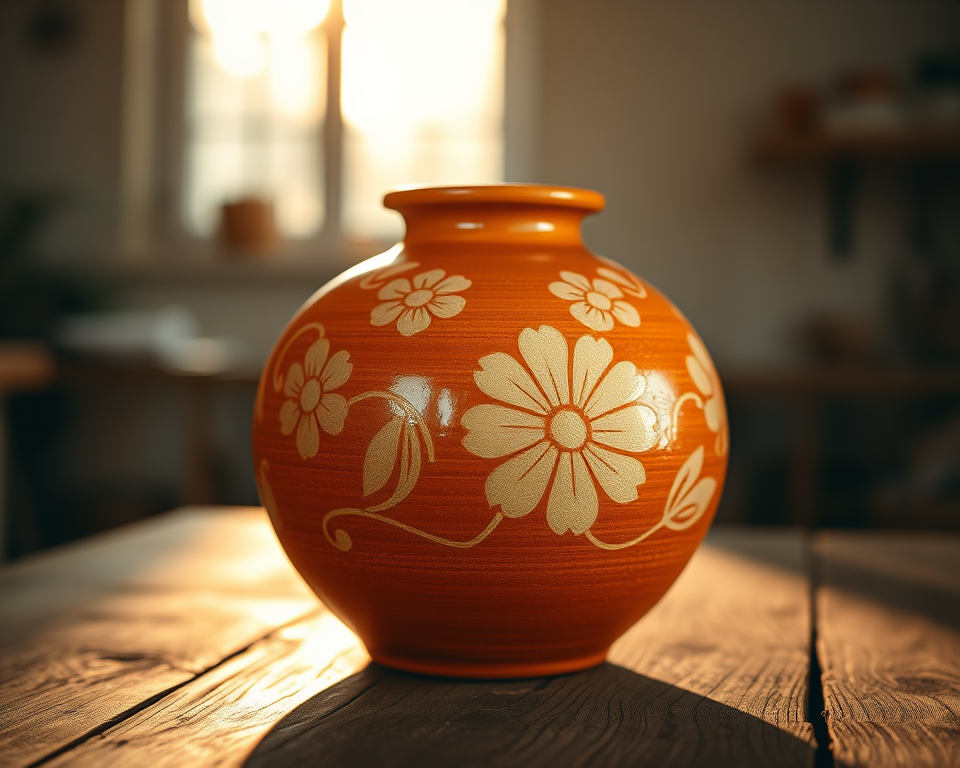
As I’m writing this, I can’t help but feel excited about the world of local pottery. It’s like this vibrant tapestry of history, culture, and creativity, right at our fingertips. Whether you’ve seen pottery on display at a local fair or maybe even dabbled in a class, there’s just something uniquely captivating about ceramics crafted by hand. It resonates with nostalgia and pride, reminding us of our roots while allowing us to connect with the artisans behind the craft. So, if you’re looking to dive into the meaning, techniques, and incredible community surrounding local pottery, stick around. I promise it’ll be fascinating!
Table of Contents
- 1 Key Takeaways
- 2 History and Cultural Significance of Local Pottery
- 3 The Evolution of Pottery Techniques
- 4 Local Pottery in Different Regions
- 5 Craftsmanship Techniques and Materials
- 6 Prominent Local Potters and Their Stories
- 7 The Benefits of Supporting Local Pottery
- 8 Challenges Facing Local Pottery Artisans
- 9 Frequently Asked Questions
- 9.1 What is the history of pottery craftsmanship?
- 9.2 How do different pottery techniques affect the final product?
- 9.3 What materials are typically used in local pottery production?
- 9.4 How can I learn pottery as a beginner?
- 9.5 What are the cultural influences on pottery styles?
- 9.6 How can I support local potters and artisans?
- 9.7 What are some challenges facing local pottery artisans today?
- 9.8 How is pottery art different from functional pottery?
- 9.9 Can pottery be eco-friendly?
Key Takeaways
- Local pottery reflects rich cultural heritage and craftsmanship that varies by region.
- Techniques like wheel throwing and hand-building create unique pieces that you won’t find in mass production.
- Supporting local artisans contributes to sustainable practices and strengthens community identity.
- Engaging with pottery workshops and community events is a fantastic way to learn and appreciate the craft.
History and Cultural Significance of Local Pottery
Every time I think about local pottery, I remember walking through artisan markets, captivated by the intricate designs and vibrant colors. Pottery isn’t just clay shaped into forms; it’s a canvas of community stories, cultural heritage, and shared traditions. It’s fascinating how the evolution of pottery techniques parallels the story of human civilization. From ancient times, pottery has been a vessel for both functionality and art.
Let’s start by looking at the pottery timeline. The earliest evidence originates from places like China, with artifacts dating back to 20,000 BCE. Imagine crafting a simple clay bowl with not much more than your hands and some wild clay! Fast forward to today, and we see how these original techniques have morphed. Each region boasts its unique styles, shaped by local materials and cultural influences.
According to Maria, a local pottery artisan I met at a recent fair, “Pottery is like the heartbeat of our community. It’s intergenerational; everyone learns from their parents, and we keep passing it down.” This is what makes local pottery significant—it’s about preserving culture, embracing innovation, and nurturing community ties.
“In every piece, there’s a story waiting to be told.” – Local Pottery Artisan
The Evolution of Pottery Techniques
While the history is rich, it’s the techniques that make local pottery come alive. I’ve seen potters skillfully employ methods like hand-building, coiling, and wheel throwing. Hand-building is super approachable for beginners—you start with a lump of clay and mold it into whatever you fancy. It’s pretty satisfying!
Wheel throwing, on the other hand, has a bit of a learning curve. If you’ve ever watched a potter at work, it looks easy, right? I thought so too. But let me tell you, mastering that spinning wheel takes practice! The joy of pulling a perfectly symmetrical piece from the wheel is pure magic.
Firing methods change the game too. Whether it’s raku, high-fire, or low-fire techniques, every method enhances the clay differently, affecting texture and color. And glazing? That’s where potters add their flair, making each piece a true work of art. I often prefer pieces with vibrant glazes—think turquoise blues or earthy greens that pop!
When I see some of the intricate designs, like those found in traditional Japanese ceramics, it’s awe-inspiring. They often use techniques that have been perfected over generations. The craftsmanship involved not only honors past traditions but also pushes boundaries.
I’m all about supporting local artisans, and having a piece that represents your culture can be remarkably rewarding. You might even feel inspired to take a class and try your hand at it!
Local Pottery in Different Regions
Traveling across the U.S., you’ll find a myriad of regional pottery styles, each with its distinctive flair. In the Southwest, for example, pottery from the Native American Pueblo communities is iconic. Their black and white patterns tell stories of nature, life, and mythology—a beautiful connection to the land. I’ve often admired pieces from the Santa Clara Pueblo, known for their exceptional blackware pottery, with prices ranging from around $50 for small items to several thousand dollars for larger, intricate vessels.
Moving to the opposite coast, you can’t miss the charm of New England stoneware. It’s utilitarian but stunning, often adorned with cobalt designs. Brands like Red Wing Stoneware have made their mark, with pieces like mixing bowls and crocks fetching between $30 to $150 on the market.
And then there are the timeless Japanese ceramics. The craftsmanship from regions like Kutani and Kyo-yaki influences countless potters here. They use special techniques like celadon glazing or kintsugi, a beautiful philosophy of mending broken pottery with gold lacquer, turning flaws into features.
“Every region has a story, reflective of its people and place.” – Local Pottery Aficionado
| Region | Pottery Style | Key Features | Price Range |
|---|---|---|---|
| Southwestern U.S. | Pueblo Pottery | Black and white designs, storytelling | $50 – $5,000 |
| New England | Stoneware | Cobalt designs, functional | $30 – $150 |
| Japan | Kutani | Unique glazes, intricate designs | Varies widely (collectibles can be expensive) |
Craftsmanship Techniques and Materials
When you think of the materials used in pottery, do you picture just clay? It’s much more diverse! There are various types of clay, each imparting different characteristics to the finished product. Earthenware is porous and often seen in casual designs. Stoneware is rugged and great for functional pieces, while porcelain is delicate, often seen in fine china.
As I delve deeper into this world, I’m continually amazed at how the local artisans gather their materials. Many prioritize environmental sustainability by sourcing natural clays. For example, red clay from Georgia tends to produce beautiful earthy tones, while white clay is often found in parts of the Midwest.
One artisan I chatted with, Jess, told me about her eco-friendly approach: “I collect rainwater for my glazing processes. It just feels right to give back to the earth while creating something beautiful.” These philosophies not only highlight the craftsmanship technique but also create a heartfelt connection to nature.
Common Materials Used in Making Local Pottery
Let’s take a moment to appreciate some common materials used by local artisans:
- Red Clay: Often used for its rich, warm colors and textures. Great for earthenware.
- Stoneware: Durable and resistant to chipping, perfect for functional pieces.
- Porcelain: Known for its fine quality; it can get a bit pricey but is stunning when crafted.
The beauty of local pottery is that no two pieces are the same, thanks to the materials and handmade processes. Each artisan brings their unique flair, making your purchase truly one-of-a-kind.
Techniques Used by Local Artisans
So, you want to try your hand at pottery? That’s fantastic! Local artisans often offer workshops where you can learn practical techniques in a relaxed environment. Whether you’re pinching pots or trying the potter’s wheel, the experience is super engaging.
A fun technique I’ve played around with is surface decoration. This can mean anything from carving designs into the clay before firing to using slips and underglazes to paint on your designs. Many artisans incorporate their local culture and environment, leading to some stunning pieces!
If you’re really into learning, I highly recommend checking out community arts centers. I found an amazing pottery workshop in my area, where the instructor takes you through the glazing process, from measuring ingredients to applying them to your creations. It’s hands-on and, more importantly, a blast!
Prominent Local Potters and Their Stories
One of the coolest aspects of local pottery is connecting with the people who make it. I’ve been lucky enough to meet some incredible local potters and hear their stories. Each artisan I meet shares a unique journey, and their passion is contagious.
Interviews with Artisans
I remember sitting down with Chris, a potter from South Carolina, who shared his journey into pottery after retiring. “I found pottery as a form of therapy. Not only does it calm my mind, but it also reignited my creativity,” he told me. It’s remarkable how pottery acts as a form of expression for many artisans.
Through interviews, I’ve learned that it’s about balancing tradition with innovation. Jess, mentioned earlier, experiments with combining traditional methods with modern aesthetics to captivate a younger audience. “I want my pieces to feel relatable, relevant, but still rooted in history,” she said, echoing a sentiment I’ve heard from many artisans.
Community Workshops and Events
Engaging with your local pottery community can open up a treasure trove of experiences. Many towns host pottery festivals where artisans showcase their works alongside hands-on workshops. It’s a beautiful scene, vibrating with creativity. Notably, the annual Clay Festival in Colorado has become a haven for pottery enthusiasts, featuring exhibitions, workshops, and community engagement that highlights the art form.
Attending these events will not only expand your understanding of local crafts but also enable you to appreciate the intricate work that goes into each piece. Plus, it’s a fantastic chance to grab a unique gift straight from the heart of the maker!
The Benefits of Supporting Local Pottery
Now that we’ve set the stage for local pottery’s artistry, let’s explore why supporting local potters is essential. Beyond just acquiring beautiful pieces for your home, backing these artisans contributes to a sustainable future. Buying handmade pottery means investing in quality craftsmanship and community identity, two things that mass-produced goods just can’t offer.
Why Choose Local Pottery?
When it comes to gifting or decorating your home, local pottery offers something personalized. If you buy from local artisans, you have the chance to choose unique gifts that not only reflect your taste but the craftsmanship behind them. Handcrafted items often carry stories and significance, connecting us to our communities in meaningful ways.
I can’t stress enough how special a handmade mug feels every morning as you sip your coffee from it. It’s like a little reminder of the love and labor that went into creating it.
The Growth of the Handmade Movement
Recently, there’s been a notable resurgence in the handmade movement, which promotes local craftsmanship and sustainability. Why? Well, people are becoming more eco-conscious and seeking out authentic connections with the items they own. This movement has opened doors for countless artisans who can now share their work with the world through platforms like Instagram, Etsy, and local marketplaces.
In a world filled with fast fashion and mass production, I believe there’s beauty in taking the time to appreciate slow craftsmanship. It speaks to a more exquisite quality of living, and that touches us all.
Challenges Facing Local Pottery Artisans
As rosy as it may seem, it’s essential to understand the challenges that our local potters face. For starters, the market is often filled with competition from mass-produced pottery, which can be tough to compete against in terms of pricing.
Addressing User Frustrations in Understanding Local Pottery
Many people have misconceptions about pottery, thinking it’s all just about fancier plates. It extends so much deeper—into cultures, communities, and personal narratives. One frustration I’ve seen among beginners is their struggle to find accessible, relatable tutorials.
That’s where community workshops truly shine. They create spaces where everyone from beginners to experts can learn and grow together. So, if you’re interested, don’t hesitate to speak up and ask questions. Most artisans love sharing their knowledge, leading to enriching discussions.
Celebrating Diversity in Pottery Styles
It’s also important to recognize the international influences that enrich our local pottery styles. From African tribal techniques to Asian firing methods, we see a melange of cultural artistry. This diversity not only enhances the aesthetics of pottery but provides fertile ground for new techniques and collaborations.
As local artisans embrace these influences, they create something that resonates universally while maintaining their uniqueness. This interplay in styles doesn’t just promote creativity; it encourages conversations that merge different cultures—bringing us closer together in our shared love for the art.
This narrative doesn’t just wrap up a fun exploration of local pottery; it celebrates the heart and soul that goes into each piece. Each artisan has an inspiring story to share, and each crafted piece has a history and significance that enriches our communities. So, whether you’re a long-time potter or a curious beginner, embracing local pottery can forge connections that last a lifetime.
Frequently Asked Questions
What is the history of pottery craftsmanship?
The history of pottery dates back to ancient civilizations, evolving from simple clay vessels to intricate works of art. Pottery serves as a cultural artifact, reflecting the traditions and lifestyles of communities worldwide. Significant advancements in techniques, like glazing and firing, occurred over centuries, shaping the diverse forms we see today.
How do different pottery techniques affect the final product?
Each pottery technique, such as wheel throwing or hand-building, contributes uniquely to the aesthetics and functionality of the finished piece. Wheel throwing allows for symmetrical forms, while hand-building techniques like coiling permit greater creativity and expression, resulting in various textures and shapes in the final product.
What materials are typically used in local pottery production?
Local potters often utilize locally-sourced materials including red clay, stoneware, and porcelain. Each clay type offers distinct properties, influencing the item’s durability and finish. Many artisans embrace eco-friendly practices, opting for sustainable materials to create unique, handmade products that resonate with cultural heritage.
How can I learn pottery as a beginner?
Many local pottery studios offer beginner classes and workshops where you can learn fundamental techniques. Look for community events or art fairs that include pottery demonstrations. Online resources and YouTube channels dedicated to pottery can also provide excellent tutorials and guidance for aspiring potters.
What are the cultural influences on pottery styles?
Pottery styles are heavily influenced by regional traditions, available materials, and cultural practices. For example, Native American pottery often features specific motifs and colors tied to their cultural narratives, while Japanese ceramics emphasize simplicity and nature, showcasing how diverse philosophies can shape pottery aesthetics.
How can I support local potters and artisans?
To support local potters, consider purchasing their handmade items directly from studios, art fairs, or farmers’ markets. Engaging with community workshops and promoting their work on social media can also help raise awareness about local artisans, fostering a sustainable economy and cultural pride.
What are some challenges facing local pottery artisans today?
Local pottery artisans often face challenges such as funding limitations, competition from mass-produced goods, and maintaining traditional techniques in a modern market. Economic sustainability can be difficult, making it essential for artisans to innovate while preserving their cultural heritage.
How is pottery art different from functional pottery?
Pottery can serve both functional and artistic purposes. Functional pottery, such as dinnerware, is designed for everyday use, while pottery art focuses on aesthetics, often showcased in galleries. However, many potters blend the two genres, creating pieces that are both beautiful and usable.
Can pottery be eco-friendly?
Yes, many local potters prioritize eco-friendly practices by using natural materials and low-impact firing methods. Some artisans incorporate recycled or upcycled materials into their designs, reducing waste and offering sustainable alternatives for consumers who value environmental responsibility in their purchases.
