
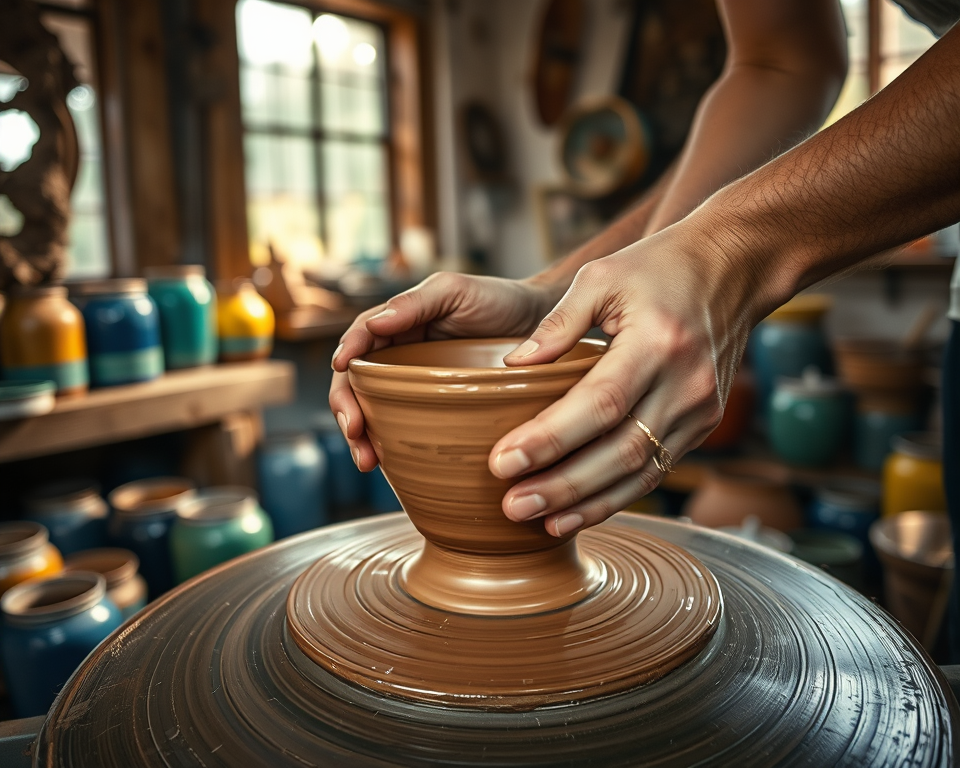
Ah, pottery—the squishy, malleable canvas that transforms into something beautiful and useful through our hands. There’s something deeply satisfying about molding clay into shape, watching it spin, and then seeing it come to life with colors and designs. I often find myself lost in the creative process, reminiscing about traditional techniques while also admiring modern innovations. If you’re like me and you’re curious to explore the colorful world of pottery, keep reading. I promise it’ll be a ride worth taking!
Table of Contents
- 1 Key Takeaways
- 2 The Historical Context of Pottery
- 3 The Role of Pottery in Different Cultures
- 4 Understanding Pottery Techniques
- 5 The Cultural Significance of Pottery
- 6 Notable Artists and Movements in Pottery
- 7 The Benefits of Engaging in Pottery
- 8 Frequently Asked Questions
- 8.1 What are the different types of pottery and their characteristics?
- 8.2 How has pottery influenced cultural identity throughout history?
- 8.3 What tools and equipment do I need to start pottery?
- 8.4 How do I choose a pottery class that suits my skill level?
- 8.5 What makes glazing an essential step in pottery?
- 8.6 Can pottery practices be sustainable and eco-friendly?
- 8.7 What are some health benefits of engaging in pottery?
- 8.8 Are there any famous pottery movements or styles to know about?
- 8.9 How can I find pottery communities or workshops in my area?
- 8.10 What are some essential tips for beginners in pottery?
Key Takeaways
- Pottery is more than just clay and a kiln—it’s a blend of history, culture, and personal expression.
- You don’t need a PhD in ceramics to start; basic techniques, along with a few tools, can lead to incredible creations.
- Engaging in pottery offers mental wellness benefits and provides a wonderful opportunity to connect with community.
- Important modern potters today are pushing the boundaries of tradition with innovative methods and sustainable practices.
- The emotional connection form pottery makes it a truly enriching hobby that can transform how you perceive art and craft.
The Historical Context of Pottery
When I think about pottery, my mind races back centuries to some of the oldest artifacts humanity created. The history of pottery is rich and diverse, illustrating its evolution and significance in various cultures. From the beautiful ancient pots of the Han Dynasty to the functional stoneware of colonial America, pottery has long served as a form of artistic expression and utility.
The timeline of pottery can be traced back to around 29,000 BC with the Venus of Dolní Věstonice—a clay figurine found in the Czech Republic. Fast forward a few millennia, we see the formation of traditional styles, like Japanese Raku pottery, known for its unique glazing and firing processes that reflect its cultural background.
The Evolution of Pottery Techniques
Over the years, pottery techniques have evolved, showcasing an artist’s craft through a range of methods. For instance, ancient civilizations favored hand-building techniques such as coiling and pinching, allowing them to express their creativity without modern tools. Meanwhile, wheel-throwing emerged as an innovative method, making pottery production both quicker and more precise.
Today, we still value these techniques, but they’ve been complemented by modern innovations. Some of my favorites include the accessibility of contemporary glazes and advanced kiln technologies that offer potters new avenues for creativity. It’s fascinating how methods have morphed; even beginners today can create intricate pieces with less hassle.
The Role of Pottery in Different Cultures
Pottery isn’t just about creating something with clay; it’s about culture, tradition, and often, community. Each culture brings its uniqueness to pottery, acting as a historical lens through which we can peer into the artisan’s life. For example, in many Native American tribes, pottery plays a vital role in rituals, storytelling, and preservation of heritage. Their pottery often incorporates symbols and meanings uniquely identified by each tribe, displaying stunning artistry that tells a story deeper than words.
Local pottery festivals across the globe, such as the biennial NCECA (National Council on Education for the Ceramics Arts) conference, connect potters and enthusiasts to celebrate this craft collectively. These events aren’t just gatherings; they represent the cultural significance and social interactions fostered through pottery.
Understanding Pottery Techniques
Let’s get our hands dirty! As we venture into various pottery techniques, remember that you don’t have to be a master to create something spectacular. Pottery methods range from simple hand-building to intricate wheel-throwing. Understanding these techniques can help you tailor your approach to what resonates with you.
Techniques of Hand-Building and Wheel-Throwing
Hand-building is a fantastic place for beginners to start. I still remember the first time I made a pinch pot! It felt like a simple yet intimate connection with the clay. The basics involve creating forms using just your hands and simple tools. Here’s a deep dive into some fun techniques:
- Pinch pot: Just as it sounds, you pinch and shape the clay with your fingers. It’s creative, spontaneous, and lets your imagination soar.
- Coil building: This involves rolling elongated pieces of clay to stack them into pots. Easy enough for any beginner and results in charming functional art.
- Slab technique: Cutting rolled-out flat pieces of clay to assemble a structure is another awesome way to experiment.
On the flip side, wheel-throwing is like poetry in motion. With a potter’s wheel, you can throw a portion of clay and shape it into beautiful vessels. Starting out might seem intimidating, but I assure you, there’s no greater vibe than witnessing a piece take form before your very eyes. Just remember to support it with consistent pressure and keep the wheel spinning smoothly.
Glazing and Firing Techniques Explained
Now that you’ve shaped your masterpiece, we get to the exciting part—finishing touches! Glazing can turn an ordinary piece into an extraordinary one. It may sound tough, but glaze chemistry is about experimentation.
Here’s how it breaks down:
| Glaze Type | Characteristics | Recommended Products |
|---|---|---|
| Glossy Glaze | High shine, smooth finish | Amaco Gloss Glazes ($15/pt) |
| Matte Glaze | Soft, non-reflective finish | Duncan Ultra Matte Glazes ($15/pt) |
| Transparent Glaze | Clear finish, shows underlying color | Mayco Stoneware Glazes ($15-20/qt) |
Firing adds the final touch, locking in your glazes and shaping your piece. Whether you use a traditional kiln or opt for a more contemporary electric model, be ready to enjoy the exciting reveal of a finished piece—it’s akin to opening a present you’ve crafted for yourself!
The Cultural Significance of Pottery
So, why does pottery matter beyond our artistic endeavors? Pottery reveals so much about cultural values, personal narratives, and community engagement. Through clay, we can connect with our heritage and express aspects of our identity that might otherwise go unspoken.
Pottery as an Expression of Identity
When I think about the importance of personal pottery, I realize it’s a journey of self-expression. Each piece crafted tells a part of your story, reflecting emotions, experiences, and often even your mood at the moment of creation. As artists, we’re not just creating functional objects; we’re sharing fragments of our identity and experiences through clay.
When we mold that clay, it becomes a vehicle for sharing our personal narrative with the world. It’s art with a heartbeat. If you’re considering pottery as more than just a hobby, you might be surprised at how it can connect you to your roots and even help you forge new connections across communities.
Contemporary Movements in Pottery
The pottery scene is bursting with creativity, and modern potters are leading the charge! Many are pioneering eco-friendly practices, emphasizing sustainability through the use of locally-sourced materials. I recently stumbled upon the work of the artist Nicole Aquillano, who uses reclaimed materials for her stunning pieces, proving that contemporary and functional can coexist beautifully.
Movements like pottery activism aren’t just reshaping the art form; they’re addressing social issues and promoting change through craft. Plus, the rise of community pottery studios is sparking collaborations among artists, further enriching the clay experience. Imagine crafting alongside a group of passionate potters, sharing tips, and learning from each other’s unique journeys. It’s like a creative family!
Notable Artists and Movements in Pottery
Every artist adds their voice to the age-old conversation of pottery, influencing the past, present, and future of this craft. Renowned potters like Peter Voulkos, who pioneered the New York ceramics movement, showed us that pottery could be more than just functional—it can also become thought-provoking art.
Interviews with Leading Pottery Artists
What’s next on this pottery journey? Engaging with contemporary potters! Recently, I had the chance to chat with some amazing ceramicists. Many shared their processes, inspirations, and studio tips that blossomed into incredible pieces worthy of admiration.
One artist emphasized the importance of embracing mistakes, which resonated with me. I remember those moments in the studio where a spontaneous mistake turned into my favorite piece!
“Pottery is like life. It’s messy, but those messes often lead to the most beautiful results.”
If you’re looking to dive into pottery, consider attending local workshops or visiting pottery exhibitions. There’s a treasure trove of talent and inspiration waiting to propel you further on your artistic journey.
Iconic Pottery Movements and Styles
From the historical art movements that shaped our understanding to the iconic styles that persist today, pottery reflects societal shifts and cultural currents. Think of the emergence of Art Nouveau pottery with its intricate designs or the functional beauty of Scandinavian ceramics. Each era has left its mark, resulting in a tapestry of styles.
Modern pots often blur the lines between art and function, leading to discussions about what constitutes “fine art.” Pottery exhibitions sometimes showcase these conversations, inviting viewers to ponder how clay can evoke emotion and create connections on deeper levels.
The Benefits of Engaging in Pottery
Whether you’re a complete novice or a seasoned artist, the benefits of picking up pottery are far-reaching—both for your creative spirit and mental wellness.
Pottery as a Therapeutic Activity
Let’s talk about the therapeutic benefits of clay. Just kneading the clay can reduce stress and anxiety. I’ve experienced moments of pure zen while throwing on the wheel, losing track of time and focusing solely on the tactile experiences. It’s brain food! Engaging in creative activities has been shown to elevate mood and enhance well-being.
An emerging concept known as arts therapy often incorporates pottery to aid in healing and emotional expression. Artists frequently underscore how making with your hands can lead to a sense of satisfaction and accomplishment that seeps into daily life.
“Creativity is intelligence having fun, and pottery is one of the best ways to stir that up.”
Join Local Pottery Communities and Classes
Don’t underestimate the power of community! Pottery classes can be a fantastic way to meet new people and share experiences. There’s something special about working alongside others, giving advice, and learning from one another. You never know—you might discover a lifelong friend in your studio mate.
I encourage you to look up pottery classes near you. Many local studios offer beginner workshops that are perfect for dipping your toes in the clay. Plus, community crafting events often foster connections between local artisans and hobbyists interested in sharing their passion.
Here’s a quick list of some notable brands and platforms for pottery classes in the U.S. that you might want to explore:
| Platform | Description | Approximate Cost |
|---|---|---|
| Skillshare | Online pottery courses & workshops | $19/month |
| Urban Potters | Local classes in major cities | $150 for a series |
| Pottery Barn Workshops | In-store pottery making events | $60 per session |
The art of crafting with clay is ever-evolving, and pottery remains accessible for anyone willing to explore its beauty. Whether you’re shaping your first pinch pot or creating intricate wheel-thrown vases, know that the journey is as rewarding as the finished product itself. Get ready to dig in, embrace the mess, and let the clay shape you just as much as you shape it!
Frequently Asked Questions
What are the different types of pottery and their characteristics?
There are several types of pottery, including stoneware, earthenware, and porcelain. Stoneware is durable and often has a rustic charm, whereas earthenware is more porous and can be colorful but less resilient. Porcelain is known for its fine quality and translucence, often used for decorative items. Each type offers unique aesthetic and functional qualities.
How has pottery influenced cultural identity throughout history?
Pottery has played a crucial role in expressing cultural identity by reflecting traditional practices, beliefs, and societal values. The patterns, colors, and shapes used in pottery can symbolize a community’s heritage and storytelling, helping to preserve and pass down cultural narratives through generations.
What tools and equipment do I need to start pottery?
Starting pottery requires essential tools such as a pottery wheel (for wheel-throwing), hand tools for shaping and trimming, a kiln for firing, and various types of clay. Additional supplies like glazes, brushes, and sponges are helpful for surface decoration and finishing touches.
How do I choose a pottery class that suits my skill level?
When selecting a pottery class, consider your current skill level and what you want to achieve. Look for beginner’s classes if you’re starting out, which often cover fundamental techniques. Alternatively, advanced classes cater to those looking to refine specific skills or explore innovative techniques.
What makes glazing an essential step in pottery?
Glazing not only enhances the aesthetic appeal of pottery but also provides a protective layer that makes the pieces functional and waterproof. Understanding glaze types and application techniques can greatly influence the final look and durability of your pottery.
Can pottery practices be sustainable and eco-friendly?
Yes, many contemporary potters focus on sustainability by using eco-friendly materials, recycling clay scraps, and optimizing kiln usage. By adopting sustainable practices, potters can minimize their environmental impact while still producing beautiful and functional art.
What are some health benefits of engaging in pottery?
Engaging in pottery can provide numerous health benefits, including stress relief, improved hand-eye coordination, and enhanced cognitive skills. The tactile process also promotes mindfulness, allowing individuals to focus and express their creativity, which can be therapeutic.
Are there any famous pottery movements or styles to know about?
Yes, notable pottery movements include the Arts and Crafts movement, which emphasized handmade quality, and studio pottery that focuses on artistic expression. Recognizing these styles helps in appreciating the evolution of pottery as both craft and art.
How can I find pottery communities or workshops in my area?
To find local pottery communities or workshops, check community centers, art schools, or online platforms like Meetup. Social media also hosts many local pottery groups where you can connect with fellow potters and discover upcoming classes and events.
What are some essential tips for beginners in pottery?
Beginner potters should focus on mastering basic techniques such as centering clay, practicing patience, and being open to mistakes. Regular practice is key, and learning from experienced potters can offer invaluable tips and insights to improve your skills.
