
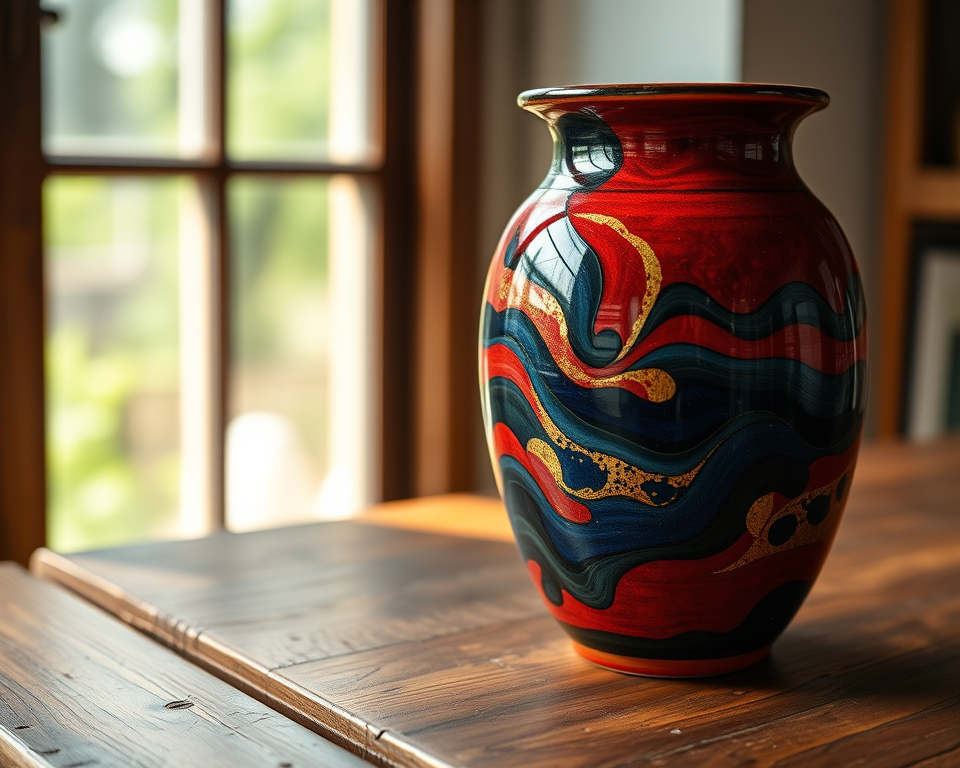
As someone who loves ceramics and the stories behind them, I can’t help but get excited while talking about nerikomi pottery. This beautiful Japanese art form combines colorful clays to create stunning, intricate designs that are as mesmerizing as they are practical. If you’ve ever found yourself staring at a piece of pottery, wondering how those vibrant patterns come to life, you’re in the right place. Trust me; exploring nerikomi is a journey worth taking!
Table of Contents
- 1 Key Takeaways
- 2 History and Cultural Significance of Nerikomi Pottery
- 3 Techniques Used in Nerikomi Pottery
- 4 Artistic Inspiration and Applications
- 5 Famous Artisans and Their Contributions
- 6 Visual Appeal of Nerikomi Pottery
- 7 Engaging with the Community
- 8 Frequently Asked Questions
- 8.1 What materials are typically used in nerikomi pottery?
- 8.2 How can I learn traditional nerikomi pottery techniques?
- 8.3 What distinguishes nerikomi from other pottery techniques?
- 8.4 Are there any specific tools required for nerikomi pottery?
- 8.5 What are some common challenges beginners face when creating nerikomi pottery?
- 8.6 Can nerikomi pottery be functional, or is it purely decorative?
- 8.7 How do I care for and maintain nerikomi pottery pieces?
- 8.8 What is the significance of colors and patterns in nerikomi pottery?
- 8.9 Are there contemporary artists known for their nerikomi work?
- 8.10 How can community engagement enhance my pottery experience?
Key Takeaways
- Nerikomi pottery merges different colored clays to produce striking designs, revealing the intricate craftsmanship involved.
- Understanding the history and cultural significance of nerikomi adds depth to your appreciation of this unique pottery style.
- The process can be relatively easy for beginners, with practical tips to get started on your own projects.
- Celebrated artisans can inspire you, revealing tricks of the trade that elevate your pottery game.
- Engaging with the pottery community not only nurtures your crafting skills but also deepens your enjoyment of this beautiful craft.
History and Cultural Significance of Nerikomi Pottery
What is Nerikomi Pottery?
So, what exactly is nerikomi? Picture this: you take moist clay and blend different colors to form layers, patterns, or even images. This layering technique isn’t just a pretty face; it reflects Japanese aesthetics and traditions. It’s all about balance, color, and craftsmanship in a way that sings without shouting.
When you hear “nerikomi,” you’re not just hearing about pottery; you’re tapping into a rich cultural heritage that dates back centuries. From its origins—rooted in the traditional Japanese art scene—to its evolution into contemporary ceramics, nerikomi marries functional beauty with artistic expression. This isn’t just something you display on a shelf; it’s part of a living tradition.
The Historical Journey of Nerikomi
Tracing nerikomi’s journey through time is like opening a time capsule of artistic evolution. Originating in Japan, this technique has roots deep within the ancient pottery styles that flourished throughout various regions. Each area embraced the artistry differently, contributing to the rich tapestry of Japanese ceramics.
What really sets nerikomi apart from other pottery styles is the craftsmanship and care involved. It’s like comparing a handwritten letter to a text message. Each piece is unique, holding the soul of the artist who crafted it. Over time, as traditional practices met modern influences, nerikomi began to evolve. We now witness new colors, techniques, and applications that make the craft even more exciting.
“Nerikomi is not just clay, but a story waiting to be told.”
Techniques Used in Nerikomi Pottery
The techniques behind nerikomi may seem like a closely-guarded secret, but I’m here to spill the beans on how it works. Understanding these methods not only helps you appreciate the artistry behind each piece but also allows you to engage in the crafting process yourself.
Step-by-Step Guide to Making Nerikomi Pottery
I remember my first attempt at nerikomi. I was a mix of excitement and nerves, wondering how my colorful vision would translate into reality. Here’s a simple step-by-step guide to help you on your own crafting adventure!
Choose Your Colors: Pick a few earthenware or stoneware clays that complement each other. I fondly recommend using a mix of white clay with rich colors like red iron oxide or cobalt blue for striking contrasts.
Prepare Your Clays: Knead each colored clay until it reaches a workable consistency. With patience, you’ll want them to become as soft and pliable as possible.
Stack and Roll: Layer your colored clays together. You can stack them or roll them into a log, depending on the design you envision. I often go with the log method; it gives an amazing marbled effect once you cut into it.
Cut and Combine: Slice through the logs or stacks you’ve created. This is where the magic happens! Rearrange those sections to form new patterns. This is your moment to get creative.
Shape Your Piece: Whether you’re using a wheel or hand-building, apply your new colorful mix to create your desired form. It’s an exhilarating experience—watching your creation take shape!
Dry and Fire: Allow your piece to dry thoroughly, then fire it in a kiln. Be sure to follow recommendations specific to your clay type so your piece survives the heat!
Making nerikomi pottery can indeed feel overwhelming, especially if you’re just starting. But trust me, once you begin the process, it’s nothing short of exhilarating.
Common Techniques in Nerikomi
When it comes to nerikomi, not all techniques are created equal. Some methods shine more than others, often showcasing the versatility of this art form. Here are a few to look out for:
Layering Techniques: Let’s talk layers! Depending on your chosen approach—stacks, coils, or slabs—layering can create deep textures and visual intrigue. The more layers you play with, the wilder your design can get.
Color Mixing: It’s not just about picking pretty colors. The way you mix them can give your pot a completely different feel. Natural oxides like manganese or cobalt lend themselves to earthy hues, while synthetic pigments offer more vibrancy if that’s what you’re after.
Surface Treatment: Things like carving, polishing, or adding glazes can enhance your pottery’s beauty. Play around—see how textures and finishes draw the eye in!
Every artist finds their unique twist on these techniques, and that’s part of the fun. Don’t be afraid to experiment!
“Creating pottery opens a world of colors, patterns, and textures just waiting for you to explore.”
Artistic Inspiration and Applications
Finding beauty in ceramics is not just about soaking it all in; it’s about translating that inspiration into something creative. Nerikomi pottery embodies unique expressions that can inspire a range of artistic applications.
Nerikomi in Contemporary Art
It’s fascinating to see how nerikomi has transitioned into modern artistic practices. Many contemporary artists are taking this age-old technique and injecting it with new life—think exquisite vases that double as conversation starters or sculptural works that push the boundaries of what pottery can be.
The interplay of traditional forms with contemporary design creates stunning results. One recent example is the “Vessel No. 7” by contemporary ceramicist Kelsey Muir. Priced around $150, this piece combines classic nerikomi techniques with a modern silhouette and vibrant colors, showcasing the versatility of nerikomi in artistic practices.
Practical Uses of Pottery
Let’s not forget the practical side of nerikomi. Pottery isn’t just for show; it serves practical purposes too. Cups, bowls, and plates can also be strikingly beautiful thanks to the nerikomi method. Imagine sipping coffee from a handcrafted mug adorned with layers of colorful clay—it turns your daily routine into a mini art exhibit!
Consider making your own functional pieces; it’s a rewarding way to incorporate art into your everyday life. Invite friends over and serve snacks in your self-crafted nerikomi server. Not only does it create memorable moments, but it also sparks conversations about your crafting journey.
Showcasing Nerikomi Styles
One incredible aspect of nerikomi is the sheer variety it offers. From traditional Japanese styles to modern interpretations, there’s something for every aesthetic taste.
| Style | Description | Example Use |
|---|---|---|
| Traditional | Often features more muted colors and organic shapes. | Tea sets for ceremonies. |
| Contemporary | Bold colors and geometric designs. | Statement vases or wall art. |
| Hybrid | A mix of traditional and modern; celebrating both elements. | Functional art pieces. |
Engaging with these different styles not only enriches your pottery knowledge but also inspires your creations. Don’t be afraid to blend various influences—let your imagination run wild!
Famous Artisans and Their Contributions
Learning about renowned potters can be extremely inspiring. Their stories often contain nuggets of wisdom that can elevate your craft and ignite your creativity. These artists pave the way by showcasing nerikomi’s beauty on both local and global platforms.
Take Yuki Kihara, a celebrated artist from Japan. She beautifully melds cultural symbolism with modern design, using nerikomi as one of her preferred techniques. Through her work, she shares tales of cultural identity and personal experiences. Truly, her pieces are much more than just pottery—they are stories molded in clay!
Not to mention, many artisan workshops offer hands-on experiences. For example, the “Nerikomi Workshop” hosted in New York City lets you work alongside skilled craftsmen, providing practical tips and insights to refine your style. That kind of immersive experience can propel your skills to new heights!
“Every piece of pottery is like a conversation with the artist; you never know what you might learn.”
Practical Tips and Resources for Aspiring Potters
If you’re itching to try your hand at nerikomi pottery, I get it—it’s thrilling! Here are a few practical tips to smooth your journey:
Tools of the Trade: Investing in the right tools will elevate your craft. I love brands like Shimpo for pottery wheels and Kemper for cutting tools. They deliver quality without breaking the bank, ensuring you get your money’s worth.
Workshops and Classes: Keep an eye out for local workshops, or check platforms like Skillshare and Udemy for online courses that focus on basic pottery techniques. Sites like The Pottery Wheel offer resources tailored to beginners wanting to explore nerikomi.
Community Engagement: Whether you’re joining local pottery clubs or online forums, interaction leads to growth. Sharing your work and experiences can open doors to collaborations and friendships with fellow enthusiasts.
By equipping yourself with resources and connecting with the pottery community, you’ll amplify your crafting skills and joy.
Visual Appeal of Nerikomi Pottery
Let’s take a moment to appreciate the sheer beauty of nerikomi pottery. The visual elements are not just decorative; they tell a story about craftsmanship, dedication, and the passion poured into each piece.
Artistic Examination
Looking at nerikomi with an artist’s eye adds layers to your appreciation. The way light bounces off a polished surface or how matte finishes capture color differently transforms the experience of viewing pottery into something almost spiritual.
When I gaze at a piece adorned with intricate designs, I’m often inspired to recreate similar effects in my work. Try this at home: gather a few of your favorite ceramics and analyze what draws you to them. Colors, shapes, or textures? This practice can generate ideas for your designs before adding your personal touch.
Inspiring Pottery Styles to Explore
While nerikomi offers exciting pathways, don’t box yourself in. Explore other artistic movements like Raku or Sgrafitto, and let them mix into your work. Pottery isn’t meant to be constricting; it should be an exploration of art and imagination.
Showcasing Nerikomi Styles
When sharing your creations, presentation matters. You want your pottery to shine, and how you display it makes all the difference.
Lighting: A well-lit environment highlights the colors and textures of your work. Natural daylight works wonders, or you can invest in soft-box lights for indoor displays.
Display Options: Whether you use shelves, stands, or a simple table, the right backdrop will elevate your piece. Imagine presenting a beautiful nerikomi vase against a stark wall; it draws the eye and invites conversation.
Photography Tips: Capture your pieces with passion. Use angles that complement their features, and don’t shy away from close-ups. A well-staged shot can elevate your presence online and bring more attention to your craft.
By showcasing your work beautifully, you create a delightful visual experience and cultivate a connection with those who admire your craftsmanship.
Engaging with the Community
Pottery is a communal experience. Connecting with fellow enthusiasts opens doors to shared knowledge and inspiration.
Building Connections
Engaging with the pottery community allows you to showcase your work while soaking in others’ creativity. Many cities have pottery groups where you can share ideas, tips, and even collaborate on projects.
Participating in online forums, like Reddit’s pottery subreddit, enables you to connect with potters worldwide. You can share your pieces, seek feedback, or even ask questions—everyone is there to help each other grow! Plus, as part of these communities, you can organize meetups or joint projects that can foster lasting relationships.
Collaborative Art Projects
Why stop at individual crafting? Team up with other artists for a collaborative pottery piece. I’ve participated in group exhibitions where each artist contributed a piece to a collective display. The synergy created is fascinating—you really see how different styles and personalities come together to form an amazing artistic tapestry.
Collective workshops are also a fantastic way to engage with the community. Attend events hosted by local galleries or pottery centers where you can learn new techniques and socialize while honing your craft.
With the myriad of resources available today, engaging in nerikomi and expanding your creative horizons has never been easier. It’s time to get those hands dirty and let your artistic spirit flourish!
Frequently Asked Questions
What materials are typically used in nerikomi pottery?
Nerikomi pottery primarily uses various types of clay, which can include stoneware or porcelain. Additionally, other materials such as colorants and oxides are often added to create the intricate patterns and vibrant colors characteristic of this technique.
How can I learn traditional nerikomi pottery techniques?
To learn traditional nerikomi techniques, consider enrolling in pottery workshops or classes that specialize in Japanese ceramics. Online tutorials and instructional videos are also excellent resources, offering step-by-step guidance. Books on Japanese pottery can provide historical insights and practical tips.
What distinguishes nerikomi from other pottery techniques?
Nerikomi is unique due to its layered clay technique, where different colored clays are combined to create intricate designs throughout the piece. This contrasts with other methods, such as glazing, which applies colors only on the surface, resulting in a different aesthetic.
Are there any specific tools required for nerikomi pottery?
While basic pottery tools such as a potter’s wheel, carving tools, and sponges are necessary, additional tools like a slab roller and clay extruders can help in the nerikomi process. These tools assist in shaping and layering the colors effectively.
What are some common challenges beginners face when creating nerikomi pottery?
Beginners often struggle with achieving uniform layers, controlling moisture levels, and avoiding cracking during drying and firing. Careful practice and patience are essential, along with attention to detail when mixing colors and layering the clays.
Can nerikomi pottery be functional, or is it purely decorative?
Nerikomi pottery can be both functional and decorative. Many artisans create practical items like bowls and cups incorporating the nerikomi technique, while others produce purely artistic pieces. The durability of the material often depends on the specific clays used and firing processes.
How do I care for and maintain nerikomi pottery pieces?
To maintain nerikomi pottery, avoid using harsh detergents. Instead, hand wash with mild soap and warm water. Ensure that pieces are not exposed to extreme temperature changes to prevent damage or cracking, particularly for functional items.
What is the significance of colors and patterns in nerikomi pottery?
Colors and patterns in nerikomi pottery often reflect cultural symbolism or personal artistry. For instance, certain color combinations might represent seasonal themes or natural elements, embodying nuance and connection to traditional Japanese aesthetics.
Are there contemporary artists known for their nerikomi work?
Yes, several contemporary artists specialize in nerikomi ceramics, bringing innovative techniques and modern themes to the traditional art form. Following their work through exhibitions or online platforms can provide insight into modern interpretations of nerikomi pottery.
How can community engagement enhance my pottery experience?
Engaging with community pottery groups can foster collaboration, provide support, and open opportunities for learning and sharing techniques. Participating in local exhibitions or workshops encourages creativity and helps build a network of fellow pottery enthusiasts.
