
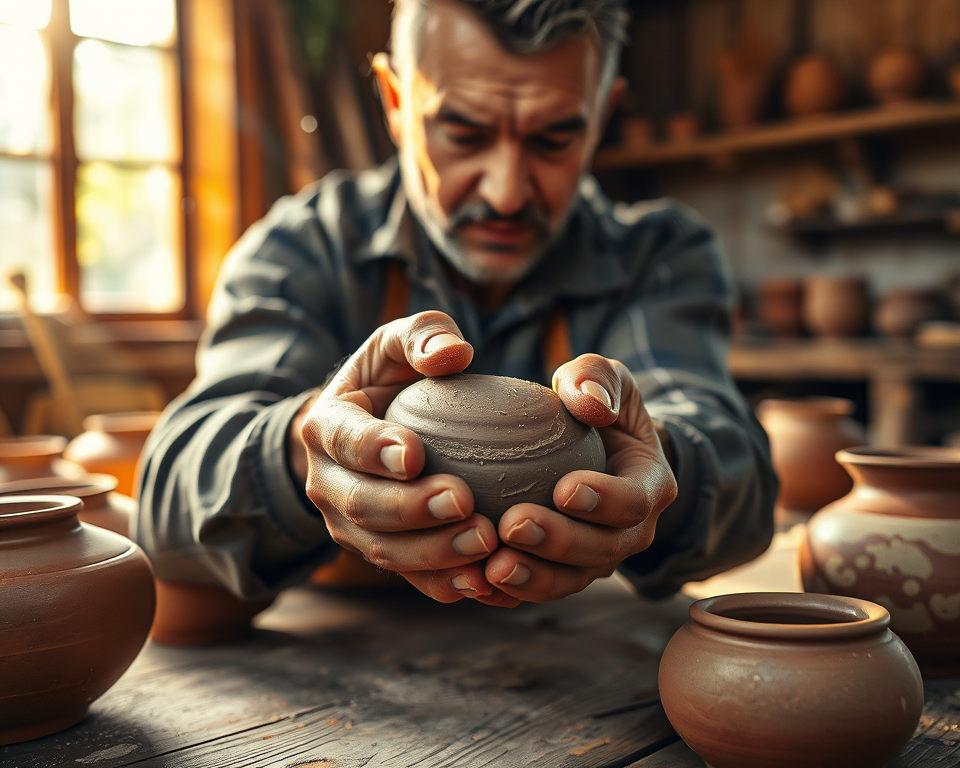
Every time I sit down with a ball of clay in my hands, I feel a surge of excitement. It’s more than just crafting—I see threads of history, culture, and creativity woven into every piece. Pottery isn’t just some old craft; it’s a living art form that shapes our modern world. Let’s chat about why pottery matters, explore its journey through time, and see how it reflects who we are in today’s society.
Table of Contents
- 1 Key Takeaways
- 2 Historical Significance of Pottery
- 3 Artistic Contributions of Pottery
- 4 Cultural Relevance of Pottery
- 5 Modern Applications and Impact
- 6 Conclusion
- 7 Frequently Asked Questions
- 7.1 What are the key historical stages in the evolution of pottery?
- 7.2 How has pottery influenced cultural identity across different regions?
- 7.3 Who are some notable contemporary potters, and what impact have they had on the craft?
- 7.4 In what ways can pottery be considered a therapeutic practice?
- 7.5 How can pottery contribute to sustainable living practices?
- 7.6 What educational benefits can pottery classes offer to children?
- 7.7 Can pottery be integrated into other art forms, and if so, how?
- 7.8 What are some common pottery techniques beginners should learn?
- 7.9 How does community engagement influence pottery practices?
- 7.10 What role do pottery workshops play in preserving traditional techniques?
Key Takeaways
- Pottery has deep historical roots, acting as a canvas for cultural expression across civilizations.
- The artistry of pottery evolves continuously, blending traditional techniques with modern aesthetics.
- Pottery fosters community identity and creativity through workshops and local crafts.
- Engaging in pottery can provide therapeutic benefits, enhancing mental wellness and mindfulness.
- Sustainable practices in pottery today emphasize eco-friendly materials and ethical craftsmanship.
Historical Significance of Pottery
Pottery’s journey is a fascinating one. It’s like the diary of humankind, capturing stories of different civilizations. Ever think about how ancient pottery pieces, like those from Mesopotamia or China, are not just functional items but also reflect the everyday lives and artistic inclinations of their creators? Those old pots and jars tell tales of agricultural advancements, trade, and cultural exchanges. Let’s take a moment to appreciate that historical significance.
The Evolution of Pottery Through Time
From hand-built vessels of the Neolithic Period to the stove-top or microwave-ready beauties we have today, pottery has gone through a serious evolution. Isn’t it incredible to think about how those first human beings manipulated clay for survival? They crafted not just utensils but the very foundation of civilization itself.
Ancient pottery serves as a canvas for archaeological findings, representing what societies valued. Different techniques, like coiling, slab building, and wheel throwing, arose in various regions depending on local resources and needs. For instance, the invention of the potter’s wheel around 3500 BC in Mesopotamia revolutionized the craft, allowing for smoother forms and more intricate designs.
I mean, consider how pottery styles developed across cultures:
| Culture | Notable Features | Examples |
|---|---|---|
| Ancient Greek | Black-figure and red-figure techniques | Amphorae, kraters |
| Chinese | Use of fine porcelain and glaze techniques | Ming Dynasty vases |
| African | Hand-built, decorated with natural pigments | Zulu clay pots |
This table is just a snapshot, but it highlights how techniques and styles vary widely and are influenced by cultural practices. Isn’t it wild that what you’re holding in your hands today still carries that historic weight?
Pottery in Different Cultures
I’ve always believed that pottery is a beautiful reflection of cultural identity. Each piece isn’t just clay; it’s a story told through form, texture, and color. If you’ve ever marveled at a pattern on a Native American pot or the intricate designs of Moroccan ceramics, you know exactly what I mean.
In many cultures, pottery traditions extend far beyond mere functionality. They serve as vessels for ritual, celebration, and everyday life. For example, the Japanese tea ceremony demands exquisite tea bowls that embody grace and spirituality. Have you ever held one of those bowls? It’s like holding a piece of tranquility!
These cross-cultural influences allow us to appreciate interconnectedness. Pottery symbolizes not only practical needs but also societal values and artistic expressions. That’s why pottery traditions are celebrated in communities worldwide, showcasing the richness of our shared human heritage.
Artistic Contributions of Pottery
Pottery transcends being merely a craft; it’s a potent form of artistic expression. I mean, think about it! Every potter injects their personality into their work. If you visit a local studio and see how each artist approaches pottery, it’s a treasure trove of creativity waiting to inspire you.
Influential Potters and Their Impact
You might not know their names, but several potters have left a lasting impression on both art and culture. From contemporaries like Jenni Ward, known for her eco-friendly practices, to historical figures like Bernard Leach, who brought Eastern and Western techniques together—it’s all fascinating.
Their works serve as exhibits that continually challenge our understanding of form and technique. Art exhibitions showcasing their pieces often highlight how pottery evolves while honoring its roots. It’s like they’re saying, “Hey, we’re building on the past while creating something entirely new!” What a powerful message!
“Pottery is not just about making objects; it’s about making memories and sharing stories.”
Pottery as a Medium for Modern Art
Moving into the present, you’ll find that pottery isn’t confined to utilitarian objects. Modern artists are pushing boundaries, transforming clay into avant-garde statements. They’re turning functional art into conversation starters. Have you checked out some stunning art installations that feature ceramics?
With innovative techniques—think 3D printing and mixed media—contemporary pottery is thriving. Artists are collaborating beyond traditional boundaries and incorporating varying materials to create unique designs. Remember those gorgeous ceramic sculptures displayed at art fairs? They challenge our perceptions of what pottery can be.
This blend of creativity not only redefines what art can look like but also engages a wider audience, showing that pottery truly matters in our diverse artistic landscape.
Cultural Relevance of Pottery
Every time I stumble upon a local pottery workshop or cultural festival, I get a spark of excitement! Can you sense the community spirit? There’s something beautiful in how pottery acts as a connector, binding us through creativity and tradition.
Pottery and Community Identity
In communities across the US, local artisans and potters play vital roles. They empower cultural pride through their crafts, often creating pieces that reflect local narratives and traditions. Projects revolving around pottery can inspire a renewed connection to heritage—think of community art initiatives that invite participation from various generations.
During my travels, I’ve seen firsthand how local pottery reflects cultural pride. At a recent festival, all the local potters displayed their work, which perfectly captured the area’s spirit. I found myself enchanted by the craftsmanship and their stories behind each piece. That’s the magic of pottery—it isn’t just about the finished product; it’s about celebrating our shared histories.
Pottery in Educational Settings
Pottery also sees its way into classrooms, helping foster creativity and hands-on learning. As an activity, it’s not just an art; it’s an experiential learning opportunity that resonates with students. From basic clay techniques to glazing, kids and adults alike can express their creativity while learning valuable artistic skills.
Many schools and community centers have incorporated pottery classes into their curriculums. I often hear parents rave about workshops where kids get to mold and shape their ideas into something tangible. Not only does it spark creativity, but it also teaches patience and fine motor skills. Plus, who wouldn’t want to brag about making their very own mug or bowl?
“Creating something with your hands is a powerful way of expressing oneself. Pottery teaches that creativity knows no bounds.”
Modern Applications and Impact
It’s easy to overlook how pottery fits into our everyday lives. We all want our homes to feel welcoming and stylish, and let me tell you—ceramics can elevate any space! Let’s break down how contemporary pottery has seamlessly woven itself back into our modern lifestyles.
Pottery’s Role in Sustainable Practices
As we’ve become more eco-conscious, the pottery community has embraced sustainability. Manufacturers and artisans alike are paying attention to the materials they use, opting for eco-friendly options and ethical practices.
I recently came across products like Soma Pottery’s handcrafted mugs, which not only feel amazing in your hands but are made from natural materials. They also provide transparent sourcing information, which is something I really appreciate. When we buy pottery these days, we’re also supporting sustainable practices. It’s a win-win!
With ethical craftsmanship becoming a priority, we’re ushering in a new wave of artistic standards that resonate with consumers. When we invest in handcrafted pieces, we’re cherishing the environment and the skilled artisans behind each creation.
Pottery as a Therapeutic Practice
Ever tried your hand at pottery during a relaxing session? There’s something enchanting about the way the clay responds to your touch. Art therapy has witnessed an uptick in popularity, and pottery is right at the forefront!
The therapeutic benefits of pottery are immense. Many workshop participants report a sense of calm and focus as they mold their pieces. It’s a fun way to unwind—it engages the mind and body in creative expression, which can be a remedy for stress and anxiety. Plus, how satisfying is it to create something tangible from raw materials?
I’ve attended a few pottery workshops that integrate mindfulness practices, where participants find joy, relaxation, and even community engagement. The best part is realizing that you’re not just creating objects but connecting with others who share similar passions.
Conclusion
Isn’t pottery just incredible? From its historical roots to its modern applications, it shapes our culture and lives. Whether you’re crafting a functional piece or connecting with your community, there’s endless beauty in the art of pottery.
Each time I pick up a piece of pottery, there’s a story waiting to be told—a reminder that creations made with love can’t help but resonate with those who come in contact with them. So, what’s stopping you? Grab a piece of clay and let the magic unfold!
Frequently Asked Questions
What are the key historical stages in the evolution of pottery?
The evolution of pottery can be roughly divided into several stages: primitive pottery, which emerged around 29,000 BC; the introduction of wheel-thrown ceramics around 3,500 BC; and the development of glazing techniques in the Middle Ages. Each stage reflects advancements in technology, materials, and cultural practices.
How has pottery influenced cultural identity across different regions?
Pottery serves as a form of cultural expression that embodies local traditions, symbolism, and craftsmanship. Different regions showcase distinct pottery styles influenced by available materials, environmental conditions, and historical practices, thereby contributing to community identity and continuity of heritage.
Who are some notable contemporary potters, and what impact have they had on the craft?
Contemporary potters like Grayson Perry and Clare Twomey have redefined pottery’s role in modern art. Their innovative approaches blend traditional techniques with contemporary themes, challenging perceptions of ceramics and inspiring a new generation of artists to explore pottery as a profound form of artistic expression.
In what ways can pottery be considered a therapeutic practice?
Engaging in pottery can promote mental wellness by providing a creative outlet for self-expression and mindfulness. Activities such as shaping clay help reduce stress and anxiety, foster social connections in workshops, and enhance focus, making it a valuable tool in art therapy settings.
How can pottery contribute to sustainable living practices?
Pottery can be made with eco-friendly materials and techniques that minimize environmental impact. By using locally sourced clay, recycled glazes, and traditional firing methods, potters can create beautiful functional items while promoting a culture of sustainability and consciousness among consumers.
What educational benefits can pottery classes offer to children?
Pottery classes for children enhance fine motor skills, foster creativity, and encourage critical thinking. They provide hands-on experiences that can improve problem-solving abilities, social interaction, and confidence in artistic expression, all of which contribute to holistic development in educational settings.
Can pottery be integrated into other art forms, and if so, how?
Absolutely! Pottery can be combined with other artistic disciplines such as painting, sculpture, and mixed media. Artists often incorporate pottery into installations or use ceramics as canvases, creating multidimensional works that explore diverse themes and engage audiences in unique ways.
What are some common pottery techniques beginners should learn?
Beginners should focus on foundational techniques such as hand-building, wheel throwing, glazing, and surface decoration. Understanding these basics will provide a strong foundation for more advanced methods and allow for greater artistic exploration within the medium of pottery.
How does community engagement influence pottery practices?
Community engagement enhances pottery practices by fostering collaborative projects, workshops, and cultural festivals. These interactions promote knowledge sharing, preserve traditional crafts, and strengthen local identities, thereby enriching the broader narrative of ceramics within a society.
What role do pottery workshops play in preserving traditional techniques?
Pottery workshops often serve as vital spaces for imparting traditional techniques to new generations. Through hands-on learning, mentorship, and the sharing of cultural narratives, these workshops help sustain craftsmanship and keep cultural heritage alive in an increasingly modern world.
