
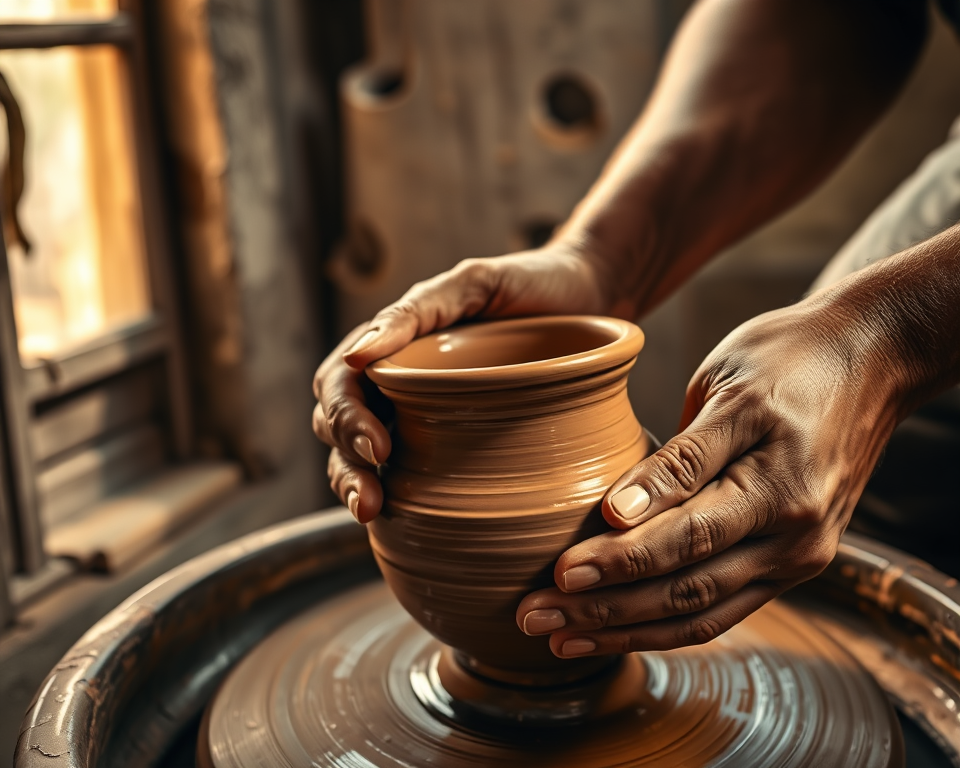
When I think about pottery, I can’t help but feel a rush of nostalgia. The feeling of wet clay between my fingers, the excitement when I see my creations unfold—it’s like connecting with something ancient and profound. Pottery is more than just making vessels; it’s a blend of art, history, and personal expression that has been around for thousands of years. Whether you’re an art enthusiast, a crafty hobbyist, or just someone curious about its significance, I’m here to break it all down for you. So, let’s jump right into this beautiful world of pottery!
Table of Contents
- 1 Key Takeaways
- 2 The Meaning and Significance of Pottery
- 3 Types of Pottery
- 4 How Pottery is Made
- 5 Emotional Connection to Pottery
- 6 Contemporary Pottery Practices
- 7 Frequently Asked Questions
- 7.1 What materials are commonly used in pottery?
- 7.2 How does pottery vary across different cultures?
- 7.3 What are some common glazing techniques in pottery?
- 7.4 Can you explain the differences between functional and decorative pottery?
- 7.5 What role did pottery play in ancient civilizations?
- 7.6 How has pottery evolved with modern technology?
- 7.7 What are the environmental impacts of pottery production?
- 7.8 How can I get involved in pottery as a hobby?
- 7.9 What makes handmade pottery unique compared to factory-made items?
Key Takeaways
- Pottery is both functional and artistic, reflecting cultural identity and personal creativity.
- There are various types of pottery, each with unique characteristics, like earthenware, stoneware, and porcelain.
- The pottery-making process involves several techniques, including hand-building, wheel throwing, and glazing.
- Pottery holds deep cultural significance, often tied to community traditions and rituals.
- Modern pottery blends traditional methods with contemporary techniques and eco-friendly practices.
The Meaning and Significance of Pottery
So, what’s pottery all about, really? At its core, pottery is the art of shaping clay into functional and decorative items. You can think of it as a creative outlet that connects us to our ancestors. Back in ancient times, pottery was crucial for storing food and water. Imagine those early civilizations crafting jars and bowls by hand, relying on their skills to survive. It’s pretty wild when you think about it.
“Pottery feeds not just the body but the soul—it’s where function meets artistic beauty.”
In today’s world, pottery breathes new life into our homes. Handmade ceramics come with stories, intricate designs, and a touch of warmth that factory-made goods just don’t have. There’s a uniqueness to each piece, often indicative of the artisan’s cultural heritage. Plus, sustainability plays a significant role in modern pottery practices. With communities advocating for eco-friendly crafts, we’re seeing a beautiful blend of art and environmental consciousness.
Understanding Pottery
When it comes to creating pottery, materials matter. Most potters start with clay—yep, that same old dirt you probably used to play with as a kid. But not all clay is created equal. There’s earthenware, stoneware, and porcelain, each with its own distinct qualities and uses.
Let’s break this down:
| Type of Pottery | Characteristics | Common Uses |
|---|---|---|
| Earthenware | Low fire, porous, soft glaze | Garden pots, decorative items |
| Stoneware | High fire, strong, durable | Dinnerware, bakeware |
| Porcelain | High fire, translucent, fine finish | Fine china, artistic pieces |
The Historical Context of Pottery
Pottery isn’t just a craft; it’s a historical timeline we can trace back over 20,000 years! Those clay artifacts you see in museums? They reveal so much about past cultures. Ancient civilizations—think Mesopotamians, Egyptians, and Chinese—used pottery for daily life, but they also infused it with artistic flair.
What’s fascinating is how pottery techniques evolved to suit the needs of societies. For instance, the ancient Greeks perfected form and function, creating amphorae that were not only useful for storage but also adorned with stunning frescoes. Even today, the influence of these styles resonates in modern ceramics.
“Pottery through the ages symbolizes the evolution of human creativity and adaptation.”
It’s impossible to talk about pottery without mentioning its archaeological significance. Each discovery sheds light on ancient lifestyles, trade, and customs. For instance, the intricate designs on ancient pottery often depicted myths and societal values. It was a communication tool, carrying messages across generations.
Types of Pottery
Let’s get practical for a moment: types of pottery. With endless variations to choose from, it can be a bit overwhelming. But don’t worry—I’ll help clarify things.
There are primarily three main classifications of pottery:
- Ceramic Pottery: This encompasses all forms of pottery that have been fired in a kiln. It’s quite versatile, too!
- Stoneware: Super durable and great for everyday items like mugs and plates. Brands like Le Creuset make beautiful stoneware that lasts a lifetime, and prices can range from $40 to over $200 depending on the pieces you choose.
- Porcelain: Known for its sleek aesthetics and delicate nature, this high-end pottery can be seen in brands like Royal Doulton, with dinnerware sets starting around $100.
Each type offers different benefits and aesthetics, not to mention their various glazing techniques that make every piece shine in unique ways.
Characteristics of Different Pottery Types
If you’re pondering which pottery is right for you, understanding the characteristics of each type is key.
- Earthenware tends to be colorful and festive, making it ideal for casual settings. Think of those quirky mugs and plant pots you see in hip cafés.
- Stoneware is about ruggedness. You can pop these in the oven, and they often come in earthy tones. Brands like Emile Henry offer stoneware baking dishes around $50, making them perfect for anyone who loves to cook and entertain.
- Porcelain, on the other hand, is all about elegance. It’s used for fine china and can be more fragile, but you can’t deny its beauty. A set from Wedgwood will run you over $300, showcasing intricate designs and craftsmanship.
Knowing these differences enables you to choose pieces that not only serve a function but also beautify your space and resonate with your personal style.
How Pottery is Made
Curious about how pottery comes to life? The process is a blend of science and artistry, starting with raw materials and ending with that beautiful finished product.
Creating pottery typically involves a few stages:
- Preparing the Clay: You need to knead it to remove air bubbles and achieve the right consistency.
- Shaping: This is where the fun starts! You can use hand-building techniques or a pottery wheel, depending on your style.
- Drying: Once shaped, the pottery needs to dry for several hours (or even days).
- Firing: This is when the magic happens in the kiln, transforming soft clay into hard ceramics.
- Glazing: Finally, color and texture come into play. This can range from shiny to matte finishes.
“The artistry in pottery lies in the alchemy of clay, fire, and glaze. Watching the transformation is equally thrilling as creating the piece itself!”
Step-by-Step Guide to Pottery Creation
If you’re itching to start creating pottery, here’s a quick step-by-step breakdown that can guide you:
- Gather Materials: You’ll need clay, tools, a wheel (if applicable), a kiln, and glaze.
- Prepare Your Workstation: Set up in a clean, spacious area where you feel comfortable.
- Craft Your Piece: Whether hand-building or wheel throwing, allow your creativity to flow.
- Dry and Fire: After drying your creation for a few days, it’s time to fire it up. This step is crucial for durability.
- Glaze: Apply your chosen glaze, and then fire it again to lock in that stunning finish.
Many local studios offer workshops that are a perfect way to learn the ropes and get hands-on experience. Plus, you meet fellow pottery enthusiasts!
Cultural Significance of Pottery
Let’s take a moment to appreciate the cultural impact of pottery. It’s such a universal art form shared by countless societies. For many cultures, pottery is synonymous with identity, ritual, and tradition. In indigenous communities, pottery often plays a vital role in ceremonies, contributing to both heritage and continuity.
Handcrafted pottery speaks volumes about a community’s values, aesthetics, and resources. Local artisans often experiment with traditional techniques while expressing their unique voices. It reflects a marriage between the community’s past and their future.
Another fascinating aspect is the increasing rise of eco-friendly pottery. Artisans are now more focused than ever on sustainable practices. Utilizing local clay, reclaimed materials, and eco-friendly glazes is becoming common, refreshing the age-old craft with a modern twist.
Pottery in Different Cultures
Ever wondered how geography shapes pottery traditions? From Japanese Raku to Mexican Talavera, different regions create stunning variations of pottery that tell stories through their shapes, colors, and uses.
Indigenous Pottery: In North America, indigenous cultures create vibrant, symbolic pieces often used in rituals and ceremonies. They truly embrace the connection between nature and craft.
Asian Pottery: Rocks the porcelain vibe! If you’ve seen those delicate Ming vases, you know what I mean. Asian potters have been mastering their craft for centuries, balancing art with harmony.
Mediterranean Pottery: This style showcases bold colors and intricate patterns, like those iconic blue tiles you’ll find in Greece. Pottery in this region often serves as decorative and functional pieces.
Understanding these cultural differences deepens our appreciation for pottery. Each handcrafted piece is a conversation starter, embodying the spirit of the community from which it originates.
Emotional Connection to Pottery
What’s so magical about pottery is the emotional connection it fosters. Think about how a handmade mug warms your hands, or a beautifully crafted bowl holds memories of meals shared with loved ones. Pottery has a way of tapping into our nostalgic feelings, carrying stories that weave through time.
I remember taking a pottery class, and every mistake I made—like that wonky lopsided bowl—became a cherished memory. Each piece not only represented my journey as a creator but also held pieces of my emotions. When you work with your hands, there’s a kind of freedom, a release of stress, and a connection to something greater.
“Handmade pottery allows for personal storytelling, capturing moments and memories in every curve and texture.”
Engaging with ceramics also provides a sense of belonging. Community pottery events often bring people together, fostering connections through shared experiences. Whether it’s creating pieces for a local festival or participating in a workshop, there’s something special about crafting alongside others who share your passion.
User Experiences with Pottery
Maybe you’ve seen stunning handmade pottery on social media, or perhaps you’ve stumbled upon a local pottery shop that sparked your interest. Those experiences often lead to a deeper appreciation for the craft.
Pottery workshops offer immersive learning opportunities. Artists often share their experiences and techniques, providing insight into the love and precision that goes into each piece.
Local events, like pottery fairs, showcase a blend of artisans. It’s a chance to connect and witness the diversity of styles and traditions, igniting that desire to learn and create.
User-generated content, like blog posts or social media shares, showcases the journey of crafting pottery. It creates a community where experiences inspire others to pick up clay and start molding.
These interactions often spark a sense of pride in the craft, building a kinship among those who appreciate the beauty of handmade art. It reflects a shared love for creation, tradition, and culture.
Contemporary Pottery Practices
Fast forward to today, and it’s so exciting to see how contemporary pottery practices rise to meet the demands of modern society. Artisans are blending traditional methods with innovative techniques, resulting in an eclectic mix that speaks to today’s aesthetics.
Sustainable ceramics are at the forefront. Many potters are committed to using local materials and eco-friendly practices. This is crucial as we become more eco-conscious consumers. By supporting local artisans who prioritize sustainable practices, we not only adorn our homes but also sustain our planet. It’s like a two-for-one deal!
I recently came across brands like East Fork Pottery, who not only create stunning ceramic dinnerware but also focus heavily on preserving their local environment. Their beautiful dishes range around $32 to $40, striking that perfect balance between style and sustainability.
The Role of Technology in Pottery
Now, let’s talk tech! Yes, technology is getting cozy with pottery, and it’s pretty fascinating. While traditional methods are still cherished, modern potters are incorporating tech into their processes.
3D printing has taken the art form and pushed it into entirely new realms. Artists today design and create pieces using computer software, providing unique shapes and structures that were previously difficult to achieve. This tech-savvy approach adds an experimental flair that’s capturing the hearts of many.
Additionally, online platforms have opened up merchandising opportunities for potters. Artisans can showcase their work through social media, reach broader audiences, and even create virtual galleries. This shift to online engagement is allowing pottery to thrive in the digital landscape.
As technology continues to evolve, so does the landscape of pottery, while still allowing room for tradition and deep-rooted culture. It’s a beautiful blend that respects the past but welcomes the future with open arms.
By understanding and appreciating the layers of pottery—its history, types, techniques, emotional connections, and contemporary practices—you unlock not just the beauty of the craft but the stories and experiences behind it. Pottery is an art that’s alive, thriving, and most importantly, a reflection of us as humans, our creativity, and our cultural heritage. Each piece holds a little part of its maker, inviting you to connect on a personal level. And that’s the magic of pottery!
Frequently Asked Questions
What materials are commonly used in pottery?
Pottery is primarily made from clay, but other materials such as minerals and various additives are often included to enhance specific properties. Common types of clay include earthenware, stoneware, and porcelain. Each material contributes to the final product’s durability, texture, and finish.
How does pottery vary across different cultures?
Pottery reflects cultural, historical, and geographical influences. For example, indigenous pottery often incorporates traditional motifs and methods, while contemporary practices may blend different styles. Understanding these variations highlights the unique stories and techniques that define different pottery traditions worldwide.
What are some common glazing techniques in pottery?
Glazing techniques include dip glazing, brushing, and spraying, each yielding different finishes. Glazes can be matte or glossy, clear or colored, and can affect both aesthetic appeal and functionality. Experimenting with these techniques can significantly influence the final look and durability of the pottery.
Can you explain the differences between functional and decorative pottery?
Functional pottery is designed for practical use, such as dishes or mugs, while decorative pottery emphasizes aesthetics, often serving as art objects rather than for everyday use. Both types offer artistic expression, but they fulfill different roles in a ceramic artist’s portfolio.
What role did pottery play in ancient civilizations?
Pottery was essential for storage, cooking, and trade in ancient civilizations. It served both practical and ceremonial functions, often decorated to reflect cultural beliefs and practices. Studying ancient pottery provides insight into societal structures, trade routes, and daily life in historical contexts.
How has pottery evolved with modern technology?
Modern technology, like 3D printing and digital design software, has revolutionized pottery making. Artists can explore new shapes and forms, while tech-driven processes enhance precision and efficiency. This integration of technology allows for innovative designs that were previously challenging to create.
What are the environmental impacts of pottery production?
The pottery industry can impact the environment through resource extraction and energy consumption. However, many contemporary potters prioritize sustainable practices, using eco-friendly materials, reducing waste, and implementing energy-efficient firing methods to minimize their ecological footprint.
How can I get involved in pottery as a hobby?
Joining a local pottery studio or community center that offers classes is a great starting point. Many studios provide beginner-friendly lessons covering basic techniques like hand-building and wheel throwing. Additionally, online tutorials and workshops can supplement your learning journey.
What makes handmade pottery unique compared to factory-made items?
Handmade pottery often features distinct imperfections, variations in texture, and artistry that factory-made items lack. Each piece tells a story through its unique characteristics, offering a personal touch that resonates with collectors and those who appreciate craftsmanship.
