
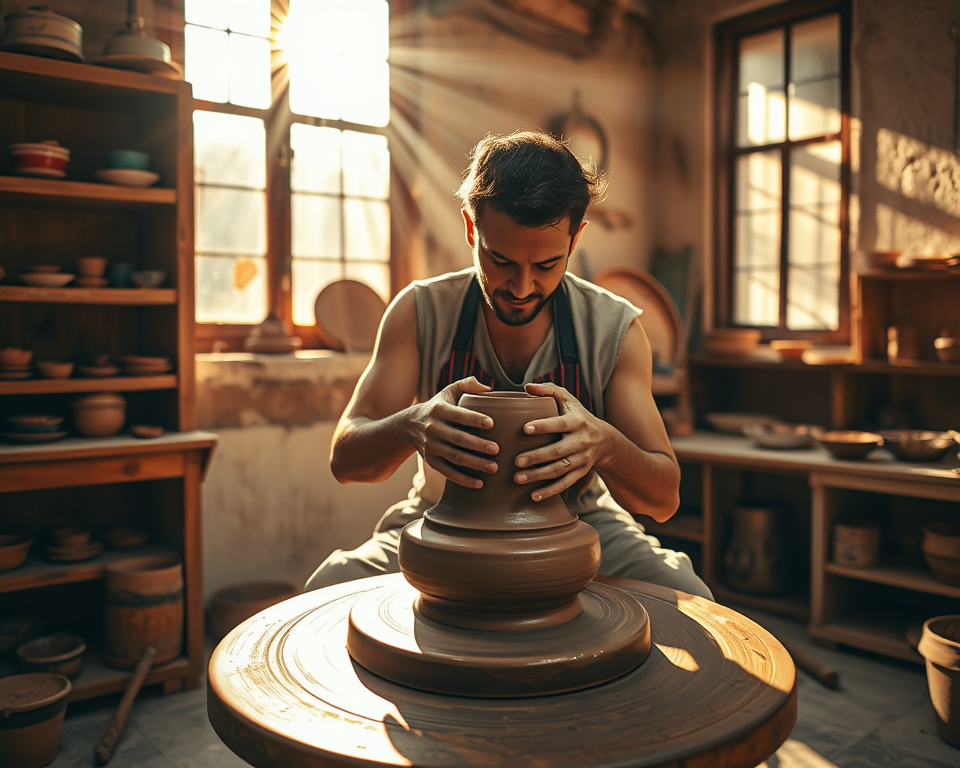
Pottery. Just the word sends a jolt of creativity through me. If you’re anything like me, the idea of molding clay into beautiful pieces of art is downright thrilling. But let’s get real for a second—before we even think about getting our hands dirty, there’s that pressing question on all our minds: “How much will this cost me?” Whether you’re eyeing local pottery classes to get in touch with your artistic side, or you’re just curious about what’s available in your area, it’s essential to understand pottery class pricing.
Table of Contents
- 1 Key Takeaways
- 2 Understanding Pottery Class Pricing
- 3 Comparing Pottery Studios and Workshops
- 4 Pottery Supplies Pricing Explained
- 5 Hidden Costs in Pottery Classes and Workshops
- 6 User Experiences in Pottery Classes
- 7 Emotional Benefits of Pottery
- 8 Frequently Asked Questions
- 8.1 What factors should I consider when choosing a pottery class?
- 8.2 Are there beginner-friendly pottery classes available?
- 8.3 Can I bring my own materials to a pottery class?
- 8.4 What are the long-term benefits of taking pottery classes?
- 8.5 How do pottery studio memberships and discounts typically work?
- 8.6 What should I expect on my first day of pottery class?
- 8.7 Are there any seasonal pottery classes or workshops?
- 8.8 How often do pottery classes meet, and what is the typical duration?
- 8.9 What hidden costs should I be aware of when signing up for pottery classes?
- 8.10 Are there opportunities for advanced pottery techniques after beginners classes?
Key Takeaways
- Pottery class costs vary widely depending on factors like materials, instructor fees, and class duration.
- Most classes offer tiered pricing, and you can save money with membership discounts and special offers.
- There can be hidden costs in pottery classes; it’s important to read the fine print.
- User experiences can greatly influence your decision on which pottery class to choose.
- Engaging in pottery can enhance your creative skills while providing therapeutic benefits.
Understanding Pottery Class Pricing
When I first considered enrolling in a pottery class, I was hit with a ton of questions. What should I expect to pay? Are the materials included in the price? Well, let’s break it down!
Pottery class costs can fluctuate based on several factors. The primary elements influencing pricing include materials used, instructor fees, class duration, and overhead costs associated with studio maintenance. A typical pottery class can range anywhere from $30 to $80 for a session lasting 2-3 hours. Some places even offer introductory sessions for around $25—perfect for testing the waters without splurging!
If you’re thinking long-term, consider sign-up packages! Many studios provide class packages at discounted rates. For instance, a 10-class pass at Paint Your Pottery in Seattle runs about $250. That’s $25 per class, and they often have seasonal promotions, where you can score a few additional perks if you join in a group—talk about community spirit!
What Influences Pottery Class Costs?
What you really need to know is what determines the price you’re paying. Let’s focus on a few critical factors:
Materials Cost: Clay and glazes can add up. For instance, high-quality stoneware clay costs about $20 for 25 lbs, and some classes include these materials in their fees while others do not.
Instructor Fees: The expertise of your instructor can greatly impact pricing. A seasoned pro might charge more, but you might get more out of it too!
Class Duration: Classes can vary from two-hour workshops to week-long intensive courses, the latter naturally costing more.
“When searching for a pottery class, always inquire about what’s included in the fee. That might save you some headaches later on!”
Pricing Structure of Local Pottery Classes
Y’all know I love a good breakdown, so let’s talk about the various pricing tiers you might encounter when browsing local pottery classes.
| Class Type | Price Range | What’s Included |
|---|---|---|
| Introductory Session | $25 – $45 | Basic materials and tools provided |
| Single Class | $30 – $80 | Materials vary; some include up to 3 pounds of clay |
| Class Package (10) | $200 – $300 | Discounts on multiple sessions; materials vary |
| Private Lesson | $50 – $100 per hour | Personal attention, customized projects |
The variety of options means you can easily find something that fits your budget and preferences. Plus, studios often offer membership discounts—for example, around 10-20% off if you’re a regular.
Comparing Pottery Studios and Workshops
Now, let’s get into the nitty-gritty. Not all studios are created equal, and comparing them is crucial to finding your creative haven. Local pottery spots might have different vibes, prices, and offerings.
When considering where to enroll, check out reviews from past students. Websites like Yelp or local Facebook groups can yield invaluable insights. Here’s a quick summary of what you might find:
Atmosphere: Does the studio feel welcoming? Is it spacious and well-lit, or cramped and chaotic?
Equipment and Tools: A studio with top-notch potters’ wheels and good ventilation is worth its weight in gold, especially if you value your health and creativity.
Access to Techniques: Some studios are known for specific pottery styles (like raku or stoneware) and can offer targeted education.
“Always trust your gut. If a studio doesn’t feel right, move on. Your pottery journey is too important to settle for anything less than inspiring!”
Pros and Cons of Different Pottery Options
Let’s face it, every option has its ups and downs. Here’s a quick guide:
| Pottery Class Type | Pros | Cons |
|---|---|---|
| Group Classes | Social interactions; lower cost | Limited individual attention |
| Private Instruction | Personalized, focused learning | Higher cost; less social interaction |
| Community Classes | Great networking opportunities | Variability in teaching quality |
By weighing your options, you’re more likely to find a pottery class that resonates with you and fits your style—whether you prefer a bustling group session or a more intimate experience with one-on-one instruction.
Pottery Supplies Pricing Explained
Alright, so you’ve decided on a class. But let’s not forget about the potter’s toolkit! You’ll also need to budget for pottery supplies, especially if you find yourself falling head over heels for this art form.
First things first: what essential supplies do you need? Most studios offer tools for shared use, but having your own gear can enhance your experience. Here’s a quick list of must-have items:
Basic Tools: A set can run you about $30 and usually includes a rib, needle tool, sponge, and wire cutter.
Clay: As I mentioned earlier, high-quality clay can cost around $20 for 25 lbs. If you’re serious about pottery, stock up!
Glaze: A decent glaze for finishing your pieces starts at $15. You’ll likely need a few colors to mix and match, so plan ahead.
Potter’s Wheel: Now if you want to throw your own pieces at home, be prepared to invest in a wheel. A good beginner model can start around $300. Definitely an investment but oh-so worth it if you know pottery is your new jam!
Essential Pottery Supplies and Their Costs
Here’s a handy table to give you a clearer picture of what you need to budget for when starting out:
| Item | Estimated Cost | Notes |
|---|---|---|
| Basic Tool Set | $30 | Get a reliable set to start |
| Stoneware Clay (25 lbs) | $20 | Ideal for various pottery projects |
| Glaze (per color) | $15 | You’ll want a few colors to experiment with |
| Potter’s Wheel | $300 and up | Consider a used one to save money initially |
By staying aware of what the supplies might cost, you’ll avoid those frustrating trips to the store that can totally break the budget!
Hidden Costs in Pottery Classes and Workshops
Now here comes the bummer part—hidden costs. They can sneak up on you if you’re not careful. When browsing a pottery class, you might think you’re getting a great deal, but watch out! Sometimes, there are extra fees that aren’t listed upfront. Here’s what to look for:
Studio Maintenance Fees: Some studios impose additional fees for using the space or tools, so read the fine print.
Material Fees: As mentioned before, sometimes classes don’t include materials; make sure to clarify!
Missing Items: Occasionally, if you forget to bring your own toolset, you may be charged a rental fee.
“Always, always ask about potential hidden fees when signing up for a pottery class. There’s nothing worse than being surprised at checkout!”
Tips to Avoid Hidden Fees
Navigating hidden fees can be tricky, but with these tips, you’ll be well-prepared:
Research: Look for reviews that mention costs and fees to gain insights.
Question Everything: Don’t hesitate to ask specific questions about pricing and what it includes!
Clarify Policies: Be sure to read the studio’s policies regarding late fees, unexpected costs, and material returns.
It’s important to have transparency here; that way—if things go sideways—you’re not left holding the bill!
User Experiences in Pottery Classes
Let’s switch gears and talk experiences! Personal stories can really illuminate the path ahead. The value of community and sharing experiences in pottery is huge. Checking out pottery class reviews can guide you toward the right choice.
You’ll often find joys and frustrations from those brave enough to share their adventures. For instance, a class might be delightful because it offered encouragement and a supportive environment, while another might fall short due to overcrowding or inattentive instructors.
Gathering Insights from Other Pottery Enthusiasts
Online forums, Facebook groups, and community centers can provide a wealth of information about local pottery offerings. Interacting with fellow pottery lovers can help you gather unique insights about specific instructors or techniques you’re curious about.
“User experiences can highlight things you might not consider! Always take the time to browse what previous attendees have said.”
Here are some sites where you can find quick reviews:
– Yelp
– Google Reviews
– Facebook Groups dedicated to local arts
These platforms deliver first-hand information that can help tailor the experience you desire.
Emotional Benefits of Pottery
Finally, let’s have a heart-to-heart about why any of this matters. Pottery isn’t just about creating something beautiful; it’s about the joy of the craft itself, the meditative quality of working with your hands, and the authenticity of expressing yourself through art.
When your fingers squish that cool, damp clay, something magical happens. It ignites creativity, fosters relaxation, and can even lead to emotional healing. This isn’t just another hobby; it’s a pathway to mental wellness, community connection, and personal growth.
How Pottery Enhances Creative Skills and Well-Being
From personal growth to recreational benefits, pottery is truly versatile. You gain skills like patience and precision while tapping into your emotional side. Creating a piece can spark joy, especially when you see your raw clay evolve into an item that carries your artistic fingerprint.
Whether it’s bonding with family over a shared class or celebrating the fulfillment of making something from scratch, this art form has an undeniable way of enhancing our well-being.
“Pottery isn’t just about the clay—it’s an emotional experience that brings joy, community, and a sense of accomplishment.”
If you’re on the fence about starting your pottery journey, ask yourself this: how often do we treat ourselves to an experience that nurtures both the mind and body? Pottery provides that perfect blend.
With all this in mind, I hope you’re feeling pumped to explore local pottery classes. It’s all about finding the right fit for you, both in pricing and experience. Whether you’re here for the joy of creation or to discover a new hobby, pottery classes can transform your perspective on art and relaxation. So grab your clay and get ready for the creative adventure of a lifetime!
Frequently Asked Questions
What factors should I consider when choosing a pottery class?
When selecting a pottery class, consider location, class size, instructor experience, and the types of pottery techniques offered. Additionally, think about the class schedule and whether it fits into your routine, as well as the overall atmosphere of the studio to ensure a supportive learning environment.
Are there beginner-friendly pottery classes available?
Yes, many pottery studios offer beginner classes specifically designed for those new to ceramics. These classes often cover fundamental techniques, materials, and tools, ensuring a comprehensive introduction to pottery without overwhelming novice students.
Can I bring my own materials to a pottery class?
Generally, most pottery classes provide all necessary materials, but it’s best to check in advance. Some studios may allow or even encourage bringing personal materials, especially for specific projects or to foster creativity. Always confirm the rules with the instructor.
What are the long-term benefits of taking pottery classes?
Taking pottery classes can enhance creativity, improve fine motor skills, and provide therapeutic benefits such as stress relief and mindfulness. Additionally, it can foster community connections and offer a sense of accomplishment as your skills develop over time.
How do pottery studio memberships and discounts typically work?
Many studios offer membership plans that can provide benefits such as discounted rates on classes, supplies, and studio time. Discounts may also apply for bulk class purchases or referrals. It’s wise to inquire about the specifics and any potential savings before enrolling.
What should I expect on my first day of pottery class?
Expect a warm welcome, an introductory session on studio policies, and a briefing on safety measures. You’ll likely start with basic techniques or projects and get acquainted with the materials and tools. Don’t hesitate to ask questions; instructors are there to support you!
Are there any seasonal pottery classes or workshops?
Yes, many pottery studios offer seasonal classes that may align with holidays or special occasions, often featuring themed projects. These classes can provide unique experiences that differ from regular sessions, so keep an eye on local schedules for special opportunities.
How often do pottery classes meet, and what is the typical duration?
Class frequency varies by studio, with some offering weekly sessions and others scheduling classes bi-weekly or monthly. Typical class duration is around 1.5 to 3 hours, based on the project and studio needs, making it important to check schedules in advance.
Apart from the class fee, be mindful of potential extra costs like materials, studio usage fees, or firing services. Some studios may charge for missed classes or no-show fees, so always review studio policies and clarify any unclear expenses upfront.
Are there opportunities for advanced pottery techniques after beginners classes?
Absolutely! Many studios offer progression from beginner classes to intermediate and advanced workshops, where you can explore specialized techniques, glazes, and kiln firing. Ensure to ask your instructors about pathways for advancing your skills as you progress.
