
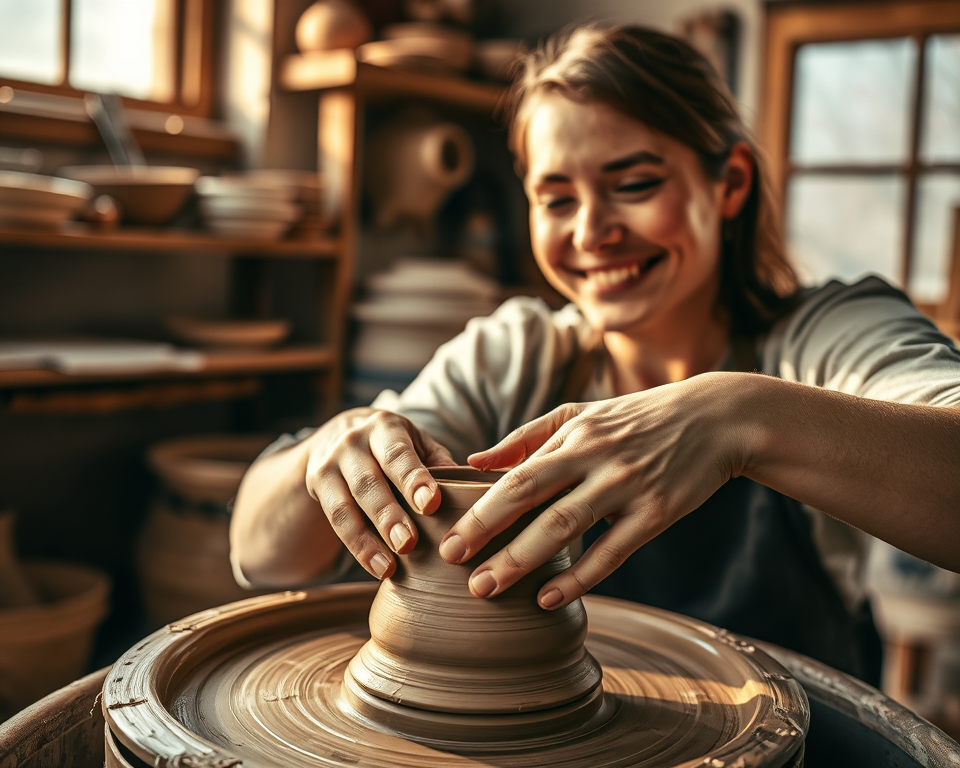
Are you sitting there, scrolling through your phone, feeling that itch for a creative outlet? Maybe you’re craving an artistic adventure that’ll let you express your unique flair? Let me tell you, pottery is where it’s at! There’s something so satisfying about molding clay with your own two hands, and the best part? You don’t have to be a seasoned artist to get in on the fun. Today, I’m going to take you through ten easy pottery projects that anyone can whip up. From fun clay coasters to personalized mugs that’ll make your coffee taste just a little bit better, there’s something here for everyone. So, grab your apron, and let’s get our hands dirty!
Table of Contents
- 1 Key Takeaways
- 2 Easy Pottery Projects for Beginners
- 3 Techniques to Enhance Your Pottery Skills
- 4 Visual Aids and Materials Needed
- 5 Troubleshooting Common Pottery Issues
- 6 Frequently Asked Questions
- 6.1 What types of clay are best for beginners in pottery?
- 6.2 How do I keep my clay from drying out before I finish my project?
- 6.3 What are the best beginner-friendly glazing techniques?
- 6.4 How can I fix common pottery mistakes like cracks or breaks?
- 6.5 Are there any specific tools I need as a beginner?
- 6.6 What safety precautions should I take when working with pottery materials?
- 6.7 How can I learn more about pottery techniques beyond the basics?
- 6.8 What are some common pottery firing issues and how can I prevent them?
- 6.9 How do I choose the right pottery projects that match my skill level?
Key Takeaways
- Pottery is a fantastic way to express your creativity and can be enjoyed by beginners and experienced crafters alike.
- Find detailed step-by-step instructions for each project to make the crafting process enjoyable and straightforward.
- Don’t miss out on troubleshooting tips for common pottery problems to help you avoid frustration.
Easy Pottery Projects for Beginners
Let’s kick things off with some beginner-friendly ideas that are both fun and functional. Trust me, even if you’ve never touched clay in your life, you can totally tackle these projects!
Project 1: Clay Coasters
Imagine sipping your favorite drink without worrying about those pesky ring stains on your table? Clay coasters are an easy and practical project that’ll not only serve a purpose but also add a personalized touch to your home decor.
To make your coasters, you’ll need:
- Air-dry clay or polymer clay
- A rolling pin
- A cookie cutter or circular template
- Paint (optional for decoration)
- Roll out your clay until it’s about 0.25 inches thick using a rolling pin.
- Cut out circles using a cookie cutter or a circular template.
- Let them dry according to the package instructions. If you’re using polymer clay, you’ll bake them at the recommended temperature.
- Once dry, feel free to paint or decorate your coasters to reflect your personality.
You’re left with practical, handmade coasters that’ll surely impress your guests!
Project 2: Terracotta Plant Pots
If you’re a fan of gardening or you just want to brighten up your living space, making terracotta plant pots is an easy and rewarding endeavor.
To craft your own:
- Terracotta clay
- Pottery knife or a small carving tool
- Water for smoothing
- Shape your clay into a ball and hand build your desired pot shape. Make sure it’s thick enough to hold soil.
- Add some drain holes at the bottom to ensure your plants don’t drown.
- Use a pottery knife to smooth the edges and surface.
- Let your pot dry completely before using it.
You’ll be giving your plants the love they deserve in no time!
Project 3: Decorative Bowls
Nothing spruces up a room quite like a decorative bowl that you crafted yourself.
Here’s how to whip one up:
- Air-dry clay or stoneware
- Water for smoothing
- Optional glaze or paint
- Start with pinch pots—take a ball of clay and press your thumb into the center to create a small bowl.
- Gradually pinch the sides to create an even bowl shape.
- Add additional clay if you’d like to expand your design.
- Smooth the edges using water to create a finished look.
- Paint or glaze your bowl once it’s completely dry.
You’ll end up with a bowl that screams, “Look what I made!” Perfect for holding keys, snacks, or just looking pretty.
Project 4: Personalized Mug
Who wouldn’t want a mug that’s uniquely theirs? Making a personalized mug is not only fun, but it also makes for the perfect gift.
To create your masterpiece:
- Stoneware or earthenware clay
- Pottery wheel (optional, but it’s a fun addition!)
- Underglazes for decoration
- If you’re feeling ambitious, throw your mug on a pottery wheel to form the shape. For a hand-built option, create a cylinder by rolling out slabs of clay.
- Attach a handle using slip (which is just clay mixed with water).
- Let it dry; then glaze it with your favorite colors and patterns.
Mugs are a fantastic way to show off your personality and can even spark a little conversation.
Techniques to Enhance Your Pottery Skills
You’ve got your projects lined up, but let’s talk about some essential techniques to really elevate your pottery game.
Technique 1: Pinch Pots
This is a classic technique perfect for beginners.
To master it:
- Start with a ball of clay, about the size of your fist.
- Press your thumb into the center while rotating the clay in your other hand.
- Pinch the walls to create a bowl, adjusting the thickness as you go.
Seriously, pinch pots are a breeze and this technique is going to become one of your go-to methods for shaping clay.
Technique 2: Coil Building
Coil building is another super cool method, and it allows for creating higher forms and more intricate designs.
Try this:
- Roll out long coils of clay, similar to making snakes.
- Stack the coils on top of each other, smoothing the seams as you build.
- For added flair, try twisting or layering colors.
This technique adds an interesting texture and style to your pieces that show they’ve been made with love.
Technique 3: Slab Construction
If you’re looking to create flat pieces, then slab construction is your best friend.
Here’s what to do:
- Roll out your clay into flat slabs using a rolling pin.
- Cut the slabs into desired shapes for your project—think bowls, trays, or wall hangings.
- Join the pieces together using slip to achieve a secure bond.
Slab construction opens up endless possibilities and allows you to create unique pottery pieces.
Visual Aids and Materials Needed
Let’s talk about what you really need to get started. It’s all about having the right tools, and the good news is, most of this stuff is pretty affordable!
Tool Essentials for Pottery
Here’s a laid-back list of essentials you should totally grab:
| Tool | Description | Approximate Price |
|---|---|---|
| Pottery Wheel | Famous for shaping pieces effortlessly. | $150-$400 |
| Clay Tools Set | Includes tools for cutting and smoothing. | $20-$50 |
| Rolling Pin | Perfect for rolling out slabs. | $10-$20 |
| Extruder | Makes forming coils and tubes easier. | $70-$150 |
| Kiln | Essential for firing your projects. | $800+ |
Note: If you’re just starting out, you might want to look for pottery classes or community studios where you can rent space and equipment until you’re ready to invest in your kit.
Images and Visual Tutorials
Visual aids make everything more manageable. Whether you’re following a tutorial or simply trying to get inspired, images can spark those creative juices.
Search for online galleries or video platforms showcasing DIY pottery projects. Sites like Pinterest or YouTube are filled with visually rich tutorials that will guide you through each step.
Troubleshooting Common Pottery Issues
Here’s the real talk—it’s not all rainbows and sunshine when it comes to pottery. There can be pitfalls, but fear not; I’ve got your back with some easy troubleshooting tips.
Common Issues and Tips
It’s all about preventing problems before they arise! Here are some common hiccups you might encounter and how to fix them:
“Remember, every great artist started out as a beginner. Don’t sweat the small stuff; it’s all part of the creative process!”
- Cracked Pots: Ensure your pieces dry slowly and evenly. If cracks appear during drying, wrap them in a damp cloth to slow down the drying process.
- Glazing Issues: Test your glaze on a sample piece before committing. If you get an unwanted effect, don’t panic! You can always sand it back and re-glaze.
- Firing Problems: Always double-check the firing temperature for your clay and glazes. Setting your kiln at the right temperature is crucial for success.
Not to fear, though! With a little bit of patience and practice, you can overcome these challenges and create stunning pieces of art.
Resources for Further Learning
Feeling inspired and want to learn more? There’s a whole world of pottery resources out there waiting to take your skills to the next level.
Look for local pottery classes near you! Many art studios offer beginner courses that provide hands-on experience and helpful guidance. Websites like Skillshare and Udemy have fantastic online workshops where you can hone your skills in your pajamas—who wouldn’t love that?
Don’t forget to engage with pottery communities, both online and offline. Joining local pottery clubs or groups can enhance your learning experience as you exchange tips and showcase your work with fellow enthusiasts.
Embarking on your pottery journey doesn’t have to be overwhelming. With the right projects and techniques, you’ll be crafting beautiful pieces in no time. Get started today, and don’t hesitate to let your creativity shine!
Frequently Asked Questions
What types of clay are best for beginners in pottery?
There are several types of clay suitable for beginners, including earthenware, stoneware, and porcelain. Earthenware is ideal for hand-building projects due to its workability and lower firing temperature. Stoneware offers durability and a range of finishes, while porcelain is more challenging but allows for finer detail.
How do I keep my clay from drying out before I finish my project?
To prevent clay from drying out, cover it with plastic wrap or a damp cloth when not in use. Additionally, working in smaller sections or using spray bottles to lightly mist the clay can help maintain its moisture, allowing you to continue your project without cracks or breaks.
What are the best beginner-friendly glazing techniques?
Beginner-friendly glazing techniques include dipping, pouring, and brushing. Dipping allows for even coverage, pouring is excellent for creating unique runs and effects, and brushing offers control for detailed patterns. Start with a simple clear glaze to understand the results before exploring more complex glazes.
How can I fix common pottery mistakes like cracks or breaks?
Common pottery mistakes can often be fixed. For cracks, you can use slip (a mixture of clay and water) to fill in the gaps. For broken pieces, consider using a strong adhesive specifically designed for ceramics. However, prevention during the drying and firing processes is key—always follow proper guidelines.
Are there any specific tools I need as a beginner?
As a beginner, essential tools include a wire cutter, rib tools, and loop tools for shaping and refining. A potter’s wheel is beneficial for making vessels, but hand-building tools like paintbrushes and sponge tools can enhance your crafting experience without overwhelming you with costs.
What safety precautions should I take when working with pottery materials?
When working with pottery, always wear a dust mask when handling dry clay to avoid inhaling particles. Use gloves when working with glazes and other chemicals, and ensure your workspace is well-ventilated. Following these precautions can help you enjoy a safe and creative pottery experience.
How can I learn more about pottery techniques beyond the basics?
To further your pottery knowledge, consider enrolling in local classes or workshops, which provide hands-on experience. Online resources like video tutorials or pottery forums can also be very helpful. Additionally, books and pottery podcasts offer insightful tips and expert advice for various techniques.
What are some common pottery firing issues and how can I prevent them?
Common firing issues include warpage, uneven glazing, and shattering. To prevent these, ensure even thickness in your pieces, keep the kiln clean, and use the correct firing temperature for your clay. Always follow the manufacturer’s recommendations and conduct a test firing when trying new materials.
How do I choose the right pottery projects that match my skill level?
When selecting projects, start with simple designs such as coasters or pinch pots to build confidence. As skills improve, gradually move to more complex pieces like mugs or decorative bowls. Engaging with pottery communities can offer additional guidance and project ideas suited to your expertise.
