
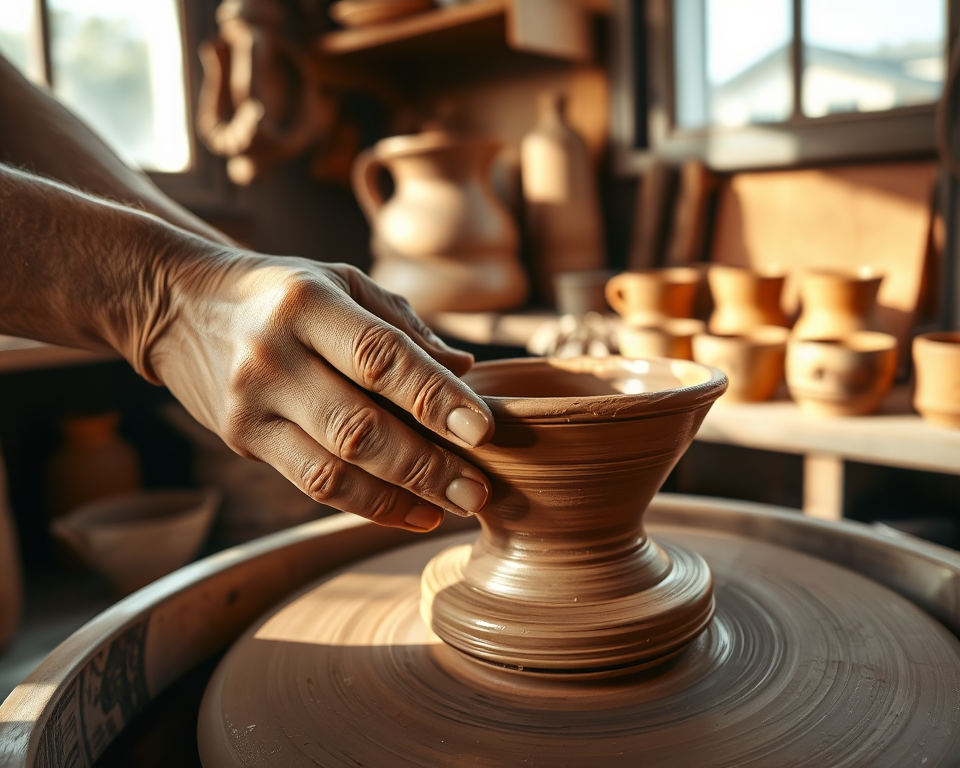
Pottery—it’s not just about shaping clay into pretty pieces. It’s like giving your stress a run for its money while making something that’s uniquely you. I remember the first time I got my hands dirty with clay; it was like therapy, creativity, and self-expression all rolled into one charming little hobby. When I started, I was overwhelmed, excited, and honestly, a bit lost. If you’re contemplating whether this crafty endeavor is right for you, stick around. I’m here to share everything you need to know about getting started with pottery and why it might just be the thing you never knew you needed!
Table of Contents
- 1 Key Takeaways
- 2 Getting Started with Pottery: What You Need to Know
- 3 Types of Pottery Projects for Beginners
- 4 The Benefits of Engaging in Pottery
- 5 Overcoming Challenges in Pottery
- 6 How to Get Started with Pottery
- 7 Frequently Asked Questions
- 7.1 What are the different types of clay used in pottery, and which is best for beginners?
- 7.2 How can I find local pottery classes or workshops?
- 7.3 What should I include in a beginner pottery kit?
- 7.4 How can I improve my pottery skills at home without formal classes?
- 7.5 What are some common beginner mistakes to avoid in pottery?
- 7.6 Can pottery be a therapeutic practice, and how does it help?
- 7.7 What are some ideas for simple pottery projects for beginners?
- 7.8 Are there specific pottery supplies I should prioritize for my home studio?
- 7.9 How does joining a pottery community benefit my experience as a beginner?
Key Takeaways
- Pottery is a fantastic way to express creativity, with numerous benefits for mental health and emotional well-being.
- Starting with simple techniques is key for beginners—don’t feel pressured to be perfect right away!
- Essential tools don’t have to cost a fortune; you can start with a basic kit for under $100, including key items like clay and sculpting tools.
- Join local pottery classes or workshops to connect with fellow enthusiasts—you’re not alone on this journey!
- Embrace the challenges and mistakes; they’re part of the learning process and often lead to the best creations.
Getting Started with Pottery: What You Need to Know
Understanding Pottery as a Hobby
Let’s face it; we’re all looking for a creative outlet, especially with life throwing curveballs. Pottery allows you to get your hands dirty and express your emotions through art. For me, every piece I made was a cathartic release. Imagine molding the clay with your hands to create something beautiful. It feels like art therapy—seriously!
There are countless benefits, such as reducing stress and enhancing emotional well-being. Just the act of working with clay can be meditative. I often lost track of time as I rolled, shaped, and smoothed my pieces. Plus, the communal aspect of pottery can be incredibly fulfilling. Being part of a pottery class or local pottery community creates a sense of belonging. You’ll find friends who share your passion and can relate to the struggles (believe me, we’ve all had “clay fails!”).
Essential Tools and Materials for Beginners
So, before you jump into pottery, you’ll need some tools and materials. But don’t worry; you don’t need to break the bank! Here’s a quick rundown of what you’ll need to get started.
| Tool/Material | Description | Price Range |
|---|---|---|
| Clay | Earthenware or stoneware is perfect for beginners. Look for a 25 lb bag for under $30. | $20 – $30 |
| Pottery Wheel (optional) | A basic wheel like the Brent C* is great for beginners (around $1,000). But don’t sweat it—hand-building is just as fun! | $800 – $1,200 (for wheel) |
| Sculpting Tools | Purchase a basic set like the Sculpey Tools Set for various shaping needs. | $10 – $30 |
| Glazes | Buy a couple of beginner-friendly glazes. Brands like Amaco and Duncan have great options. | $10 – $25 per jar |
| Kiln | You can often find community studios with kilns; if not, consider a tabletop kiln like the Paragon FireFly (around $600). | $400 – $800 |
Once you have your materials, you might find it helpful to create a dedicated space for your pottery projects. If you’re working from home, set up a small corner with a sturdy table, some tools, and your clay stash. Trust me, creating an inviting pottery space helps spark inspiration and creativity!
Types of Pottery Projects for Beginners
Let’s talk projects. If you’re new to pottery, starting simple is key! You don’t have to create elaborate vases or intricate sculptures right off the bat.
Simple Pottery Techniques to Explore
I started with hand-building techniques like pinch pots, coil pots, and slab construction. Here’s a quick breakdown:
Pinch Pot Technique: This one’s super straightforward. Grab a ball of clay, pinch it, and voilà, you’ve got your first piece! It’s fantastic for beginners and super satisfying.
Coil Pottery: Roll out long coils of clay and stack them to form vases or bowls. Seriously, you can make anything from simple dishes to adorable whimsical animals.
Slab Building: This technique lets you roll out flat pieces of clay that you then shape into structures. Perfect for making tiles, plates, or even little boxes!
Creative Project Ideas for New Potters
If you’re looking for motivation, I’ve got a list of fun projects to try:
- Hang-on-Your-Wall Decor: Start with simple shapes that you can hang. Think mini planters or artistic wall pieces.
- Giftable Items: Homemade mugs or bowls make excellent gifts. They’re personal, unique, and no one can say they don’t like a handmade gift!
- Functional Items: Try creating coasters, trays, or simple dishes. Not only do you get to practice your skills, but you also get something useful in the end!
The Benefits of Engaging in Pottery
Now, if you’re still on the fence about starting this new hobby, let’s talk benefits. Pottery isn’t just a fun activity; it offers extensive mental and emotional perks too.
Emotional and Mental Health Benefits
Pottery helps with mindfulness and self-expression, both of which are vital for anyone looking to improve their mental health. It’s like a form of art therapy. Shaping clay requires concentration and focus, which helps divert your mind from day-to-day stressors.
“There’s something about sinking your hands into clay that brings a sense of calm and fulfillment. It’s where creativity meets therapy.”
Building Community Through Pottery
Engaging with others in the pottery community can amplify the enjoyment of this art form. Many local studios offer classes where you can meet fellow enthusiasts and share experiences. Workshops often create an inviting atmosphere, allowing for conversation and connection. That’s how I met some of my closest friends! These creative souls understand the struggles and triumphs of pottery and provide valuable support.
You may also want to check out online pottery forums. Reddit, for example, has a lively pottery community where you can exchange tips, share images of your masterpieces, or discuss pottery techniques.
Overcoming Challenges in Pottery
Now, let’s be real. Pottery comes with its share of challenges. You might feel frustrated with your skills or the complexity of certain techniques. Here’s how to tackle common beginner frustrations.
Addressing Common Beginner Frustrations
We’ve all been there—molding your piece only to have it collapse or crack in the kiln. It’s disheartening! But remember, mistakes are part of the journey. Here are a few tips to overcome those bumps along the way:
- Practice, Practice, Practice: The more you work with clay, the better you’ll get. Embrace the learning curve.
- Seek Guidance: Don’t be afraid to ask for help! Your instructor or fellow potters will have tons of insights to share.
- Be Patient: Art takes time. Allow yourself the grace to grow.
Resources and Classes for Aspiring Potters
To truly make the most of your pottery venture, consider investing in resources, classes, or workshops. Many local craft stores like Michaels or Joann offer beginner pottery classes or workshops that can provide hands-on learning experiences. Not to mention, online platforms like Skillshare and Youtube are gold mines for creative tutorials!
Here’s a quick look at some local pottery resources:
| Resource | Description | Price Range |
|---|---|---|
| Local Pottery Studio | Join for classes or open studio times. | Varies; often $30-$50/class |
| Online Tutorials | Youtube channels like Ceramic Arts Network. | Free |
| Community Pottery Groups | Meetups or clubs where you can share experiences. | Usually free |
How to Get Started with Pottery
Feeling ready? Let’s get into the nitty-gritty of actually starting your pottery journey!
Tips for Setting Up Your Pottery Space
First, you’ll need a good setup. Choose a comfortable spot with enough room to work. A small table can suffice. Gather your tools and materials for easy access. Keep a bucket of water handy for keeping your hands moist; it makes working with clay a lot more manageable.
“Finding your groove in pottery begins with a tidy, organized space where your creativity can blossom!”
Finding Classes and Resources
Don’t underestimate the power of a good class or workshop. Here’s how to find them:
Visit Local Art Centers: Call your nearby art centers or studios and ask if they have beginner pottery classes. They often have packages that include everything you’ll need.
Search Online: Websites like Eventbrite or Meetup can provide a list of pottery classes and workshops in your area.
Discover Online Options: If in-person classes aren’t feasible, there are numerous online courses tailored for beginners. Look into platforms like Udemy or Coursera for structured learning at your own pace.
Armed with this knowledge, you’re well on your way to embracing the joy that comes with creating pottery. Take that leap, feel the clay between your fingers, and let your creativity take flight!
Frequently Asked Questions
What are the different types of clay used in pottery, and which is best for beginners?
There are several types of clay used in pottery, including earthenware, stoneware, and porcelain. For beginners, earthenware is often recommended due to its workability and lower firing temperature. It is forgiving and allows for easy sculpting and hand-building techniques, making it ideal for newcomers.
How can I find local pottery classes or workshops?
To find local pottery classes, consider searching online directories, community colleges, or community centers. Social media platforms often host local groups that share workshops and classes. Websites like Meetup or Eventbrite can also list pottery events in your area.
What should I include in a beginner pottery kit?
A beginner pottery kit should include essential tools like a clay board, sculpting tools, a pottery wheel (if available), sponge, needle tool, and a knife. Additionally, a selection of clay and glazes should be included to get started with various projects at home.
How can I improve my pottery skills at home without formal classes?
Improving your skills at home can be achieved through practice and online resources. Look for instructional videos on platforms like YouTube, join online pottery forums, and participate in virtual workshops. Regular practice and experimentation with different techniques will help enhance your abilities over time.
What are some common beginner mistakes to avoid in pottery?
Common mistakes include using too much or too little water when working with clay, not wedging the clay properly, and over-firing or under-firing pieces. It’s also important to allow pieces to dry evenly to prevent cracking. Learning from these mistakes through experience will aid skill development.
Can pottery be a therapeutic practice, and how does it help?
Yes, pottery is widely recognized for its therapeutic benefits. The tactile nature of working with clay can promote mindfulness and relaxation, reducing stress. Engaging in creative activities like pottery can boost emotional well-being and provide a sense of accomplishment and personal fulfillment.
What are some ideas for simple pottery projects for beginners?
Beginner-friendly pottery projects include making pinch pots, coiled planters, or simple mugs using the slab building technique. Focus on functional pieces or decorative items that allow you to explore various techniques without overwhelming yourself.
Are there specific pottery supplies I should prioritize for my home studio?
Prioritize supplies like clay, water, basic sculpting tools, a clean workspace, and safety equipment (like a mask and gloves if necessary). As you progress, consider investing in a pottery wheel and kiln for more advanced projects, but start with the basics to keep costs manageable.
How does joining a pottery community benefit my experience as a beginner?
Joining a pottery community, whether online or local, provides support, inspiration, and motivation. You can connect with other potters, share experiences, seek advice, and receive feedback on your work. Community engagement creates a sense of belonging and can enhance your overall learning experience in pottery.
