
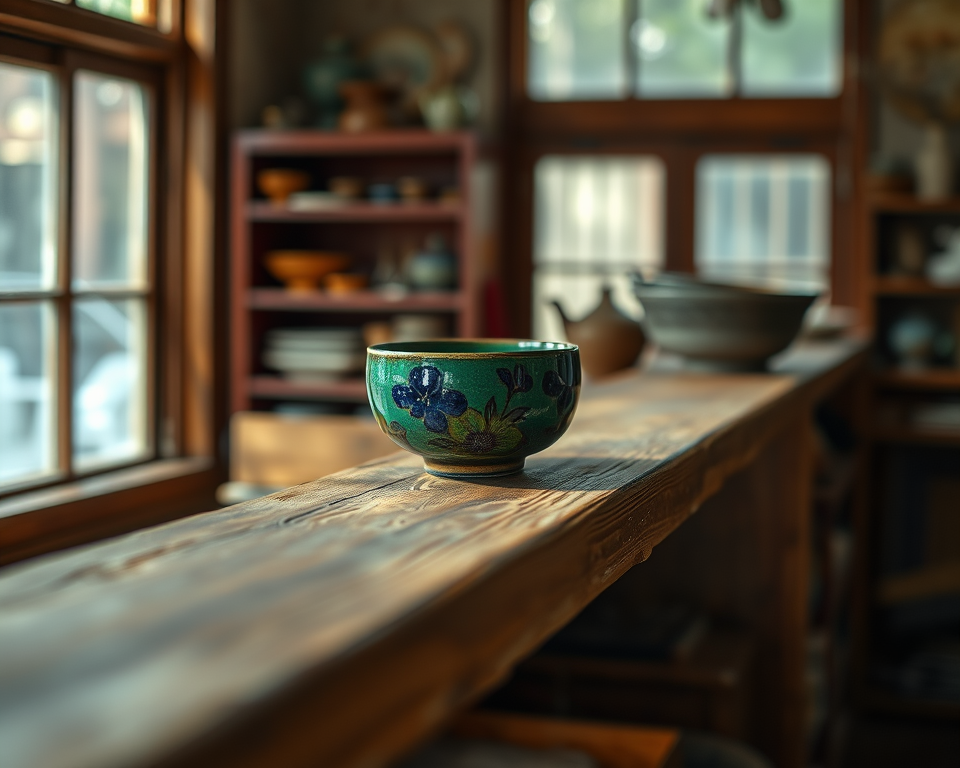
Let me tell you, when it comes to ceramics, Otagiri pottery is like the dazzling gem in an antique shop that’s just waiting to be noticed. If you’ve ever walked through a flea market or a vintage store, spotted those vibrant pieces of pottery, and wondered about their backstory, you’re not alone. Many people want to understand the history, the craftsmanship, and the charm of Otagiri pottery, and let me assure you, there’s an artful legacy worth exploring.
Key Takeaways:
– Otagiri pottery originated from Japan and is celebrated for its vibrant glazes and nature-inspired designs.
– Identifying Otagiri pottery involves looking for specific markings, patterns, and colors; knowing these can really enhance your collection.
– Taking care of your Otagiri ceramics is essential for preserving their beauty and longevity—simple cleaning and storage techniques can make all the difference.
– Otagiri pottery connects deeply with Japanese culture, showcasing a rich history that continues to thrive today.
– The community of collectors adds an exciting dynamic to the world of Otagiri, transforming every piece into a captivating story.
Table of Contents
- 1 History of Otagiri Pottery
- 2 Characteristics of Otagiri Pottery
- 3 Care Instructions for Otagiri Pottery
- 4 Cultural Significance of Otagiri Pottery
- 5 Visual Reference Guide
- 6 Frequently Asked Questions
- 6.1 What are the origins of Otagiri Pottery?
- 6.2 How can I tell if my pottery is authentic Otagiri?
- 6.3 Are there specific styles or themes associated with Otagiri Pottery?
- 6.4 What are the best practices for cleaning Otagiri Pottery?
- 6.5 How should I store my Otagiri Pottery to prevent damage?
- 6.6 What is the significance of Otagiri Pottery in Japanese culture?
- 6.7 How has Otagiri Pottery evolved over the years?
- 6.8 Are there events or communities dedicated to Otagiri Pottery collectors?
- 6.9 Can Otagiri Pottery be used for everyday dining, or is it primarily decorative?
- 6.10 Where can I learn more about the history and significance of Otagiri Pottery?
History of Otagiri Pottery
The Roots of Otagiri Pottery
The journey of Otagiri pottery begins in the 20th century, emerging from the heart of Japan—a country renowned for its rich ceramics heritage. The Otagiri company, established in the 1920s, made its mark by blending traditional techniques with contemporary designs. If you think about where Japanese pottery stands in the grand tapestry of art history, it’s fascinating how Otagiri reflects the evolution of pottery styles over the years.
Every piece tells a story, echoing the cultural influences that shaped its development. You’ll notice that the nature-based designs often invite connections to the serene landscapes and delicate seasons of Japan. This intertwining of history and artistry is what makes Otagiri ceramics stand out. Just picture an elegant vase adorned with cherry blossoms, transporting you to a peaceful Sakura season. I’m telling you, these aren’t just ceramics; they’re a bridge to another world.
Key Historical Milestones
Let’s take a moment to highlight some pivotal milestones in Otagiri pottery’s journey. It’s not just about the pottery itself—it’s about the events that influenced its creation, design, and reception in the world:
| Year | Milestone |
|---|---|
| 1920s | Foundation of Otagiri Company, marking the start of innovation. |
| 1950s | Popularity of Otagiri pottery grows, especially post-WWII. |
| 1980s | Otagiri gains traction in the U.S. vintage market. |
| Present | Continued interest from collectors and inclusion in modern décor. |
From the early days of craftsmanship to its rise in global popularity, every era brings its own narrative to the Otagiri legacy. If you ever come across a piece stamped with the “Otagiri” mark, think about all the hands that shaped it.
Characteristics of Otagiri Pottery
Distinctive Design Features
What can I say? The moment you lay eyes on Otagiri pottery, you know you’ve found something special. The vibrant glazes used in these pieces are just a feast for the eyes. From deep blues to fiery reds, the colors reflect the natural beauty of the world, with many pieces showcasing nature-inspired motifs that tell a story of their own.
Some of the standout design features include:
– Signature Patterns: You’ll often see themes like florals, animals, and abstract patterns that celebrate both simplicity and complexity.
– Textural Variations: Feel the different textures—from smooth, glossy finishes to more tactile, rustic surfaces. That’s a hallmark of Otagiri craftsmanship.
– Color Palettes: The color choices frequently symbolize natural elements; earthy tones evoke represent landscapes, while bright colors mirror the energy of flora and fauna.
Embracing these distinctive features is essential, especially for collectors keen on understanding why Otagiri pottery holds such a revered place in ceramics history.
Identification Tips
Identifying Otagiri pottery can feel like a treasure hunt, so let’s talk about some practical tips that you can use when you’re on the lookout for these beauties. One thing that I always advise is to look closely at the marks and signatures. Many genuine Otagiri pieces will have a stamp or etching that says “Otagiri,” often accompanied by Japanese characters.
Here’s what to keep an eye out for while you’re browsing:
– Shapes and Sizes: Otagiri pottery comes in a variety of shapes—think teapots, vases, and bowls. Each piece has its own unique form that often reflects its intended use.
– Glazing Techniques: Pay attention to the glazing. If it appears to have an almost iridescent finish, chances are you’re looking at a genuine Otagiri piece.
– Weight and Feel: Quality ceramics have a certain heft. If it feels too light or fragile, it may not be the real deal.
Collecting Otagiri pottery is not just about finding items to display; it’s about understanding their story and appreciating their artistry.
Care Instructions for Otagiri Pottery
Proper Cleaning Techniques
Now, let’s get real. You’ve got this stunning Otagiri pottery on display, but what happens when it starts to gather dust? The last thing you want is to ruin its beauty with improper care. I always recommend using gentle cleaning solutions to maintain those vibrant colors and delicate designs. Here’s how I clean mine:
- Use soft cloths: Opt for microfiber or soft sponge cloths, keeping harsh materials at bay. A little tenderness goes a long way.
- Avoid harsh chemicals: Stick with mild dish soap and warm water. You wouldn’t want to use ammonia or bleach—those are a recipe for disaster!
- Gentle wipe-downs: Wipe carefully, using circular motions. Don’t scrub—think of it as giving your pottery a gentle massage!
Here’s a quick tip: if you get stubborn stains, try soaking the piece in warm, soapy water for a bit before the gentle wipe down. Remember, treating your Otagiri ceramics with care means they’ll stay delightful for generations.
Storage and Display Recommendations
After all that cleaning, you want to showcase these beauties, right? Proper display matters, and trust me, it can make your room pop. Here are some tips for creating an eye-catching arrangement:
- Avoid Direct Sunlight: Place the pottery away from direct sunlight to prevent fading and discoloration.
- Use Protective Bases: Whenever possible, use felt pads or rubber coasters under pottery to prevent scratches and protect the surface beneath.
- Consider Styles: Mix and match with other décor, but let your Otagiri pieces shine. A well-placed vase can transform an entire room.
Keep in mind: Your setting should reflect your style, but it should also be mindful of preserving those cherished ceramics.
Cultural Significance of Otagiri Pottery
Otagiri Pottery in Contemporary Culture
In our fast-paced, constantly evolving world, Otagiri pottery stands as a significant cultural relic. It’s more than just a collector’s item or décor; it represents a beautiful intersection of tradition and modernity. These pieces are often used not only for their aesthetic charm but also as reminders of a rich historical context that continues to resonate in the art community today.
People are rediscovering vintage Otagiri pottery as part of the modern home aesthetic—integrating these brilliant pieces into their daily lives. It’s refreshing to see how vintage ceramics can still play a role in contemporary design trends.
Otagiri Pottery and Collector Community
Let me tell you, the world of collectors is an exciting place to be. The community surrounding Otagiri pottery is vibrant and filled with passionate enthusiasts who share their love for these iconic pieces. Participating in pottery shows, joining online forums, or attending auctions can expose you to the stories behind each piece.
When I visited a local pottery fair, I was amazed by the stories collectors shared. It was like each piece of pottery was a character with its own backstory. From strategies to spot fakes to advice on starting a collection, there’s always so much to learn.
By connecting with other collectors, you can stay updated on market trends, valuation, and even trade tips for identifying rare finds. The excitement of unearthing an unseen treasure at a thrift store or during a garage sale is what it’s all about. You’ll find that the community not only enhances your appreciation but also deepens your connection to Otagiri pottery.
Visual Reference Guide
Photographic Examples of Different Styles
If you’re as captivated by the aesthetics of Otagiri pottery as I am, you might want to see the variety of styles to really appreciate their elegance. Here’s a little gallery of some different Otagiri styles. Keep an eye out for the unique designs and features that stand out.
| Style | Description | Example Image |
|---|---|---|
| Floral Motif | Bright colors and flower patterns. |  |
| Geometric Patterns | Bold shapes and lines combine for modern appeal. | |
| Nature-Inspired | Scenes of landscapes or animals. | |
Expanding your visual library of Otagiri pottery will enhance your ability to identify and appreciate these unique pieces. Make it a point to explore online galleries or follow collector forums—they’re full of image inspirations!
Comparative Analysis with Other Ceramics
Let’s take a moment to compare Otagiri to other pottery styles. Understanding the nuances can enhance your collecting strategy and appreciation. Knowing how to distinguish Otagiri from, say, Japanese Kutani or Studio pottery can be incredibly beneficial. Here’s a quick comparison table to get you started:
| Feature | Otagiri | Kutani | Studio Pottery |
|---|---|---|---|
| Glazing | Vibrant, nature-inspired | Intricate patterns | Unique, artistic styles |
| Maker’s Mark | Otagiri stamp | Kutani characters | Typically artist’s signature |
| Common Uses | Display, home decor | Often tea sets | Artistic expression |
By understanding these distinctions, you’ll be better equipped to navigate the world of ceramics and elevate your knowledge as a collector.
“Every piece of pottery has its story; when you collect, you collect the narratives too.”
Now, isn’t that a beautiful notion? When you think of it that way, collecting Otagiri pottery becomes more than just acquiring items—it’s about cherishing culture, history, and artistry all in one.
Let the charm of Otagiri pottery continue to inspire your collecting journey!
Frequently Asked Questions
What are the origins of Otagiri Pottery?
Otagiri Pottery originated in the Otagiri region of Japan during the mid-20th century. It was established by local artisans who blended traditional Japanese pottery techniques with Western design influences, creating unique ceramic pieces that reflect a harmonious balance between East and West.
How can I tell if my pottery is authentic Otagiri?
Authentic Otagiri Pottery often features a distinctive mark on the bottom, typically including the word “Otagiri” along with a logo or symbol. Additionally, authentic pieces usually showcase vibrant glazes and intricate designs inspired by natural themes, which are hallmarks of Otagiri craftsmanship.
Are there specific styles or themes associated with Otagiri Pottery?
Yes, Otagiri Pottery is known for its nature-based motifs, including floral patterns, animal designs, and abstract landscapes. The use of vibrant glazes, often with a glossy finish, contributes to the aesthetic appeal. Collectors value the variety of designs and the craftsmanship involved in each piece.
What are the best practices for cleaning Otagiri Pottery?
For cleaning Otagiri Pottery, use a soft sponge or cloth with mild dish soap and warm water. Avoid abrasive cleaners or scouring pads, which can scratch the surface. Rinsing thoroughly and drying immediately with a soft towel helps preserve the pottery’s glaze and design.
How should I store my Otagiri Pottery to prevent damage?
To store Otagiri Pottery safely, keep it in a cool, dry place away from direct sunlight. Use protective padding, such as bubble wrap or cloth, to separate pieces and prevent chipping. Avoid stacking heavy items on top to reduce the risk of breakage.
What is the significance of Otagiri Pottery in Japanese culture?
Otagiri Pottery represents a fusion of traditional Japanese craftsmanship and modern design philosophy. It plays a significant role in preserving and innovating the art of pottery in Japan, reflecting cultural narratives and enhancing the aesthetic of daily life through beautifully crafted objects.
How has Otagiri Pottery evolved over the years?
Over the decades, Otagiri Pottery has evolved from a focus on traditional designs to incorporating contemporary aesthetics. Today, it features a mix of vintage and modern styles, appealing to both collectors and those seeking unique decorative items for their homes.
Are there events or communities dedicated to Otagiri Pottery collectors?
Yes, there are numerous pottery shows, exhibitions, and online forums where Otagiri enthusiasts gather to share information, trade pieces, and discuss their collections. Engaging with these communities can enhance your understanding and appreciation of Otagiri Pottery.
Can Otagiri Pottery be used for everyday dining, or is it primarily decorative?
While many Otagiri pieces are collectible and decorative, some items are designed for everyday use. However, it’s essential to check the durability and intended use of each piece, as not all ceramics are microwave or dishwasher safe. Always prioritize care to maintain their beauty.
Where can I learn more about the history and significance of Otagiri Pottery?
To deepen your understanding of Otagiri Pottery, consider visiting local museums specializing in Japanese ceramics, browsing academic texts on pottery history, or attending pottery workshops. Engaging with knowledgeable collectors and artisans can also provide valuable insights into this unique art form.
