
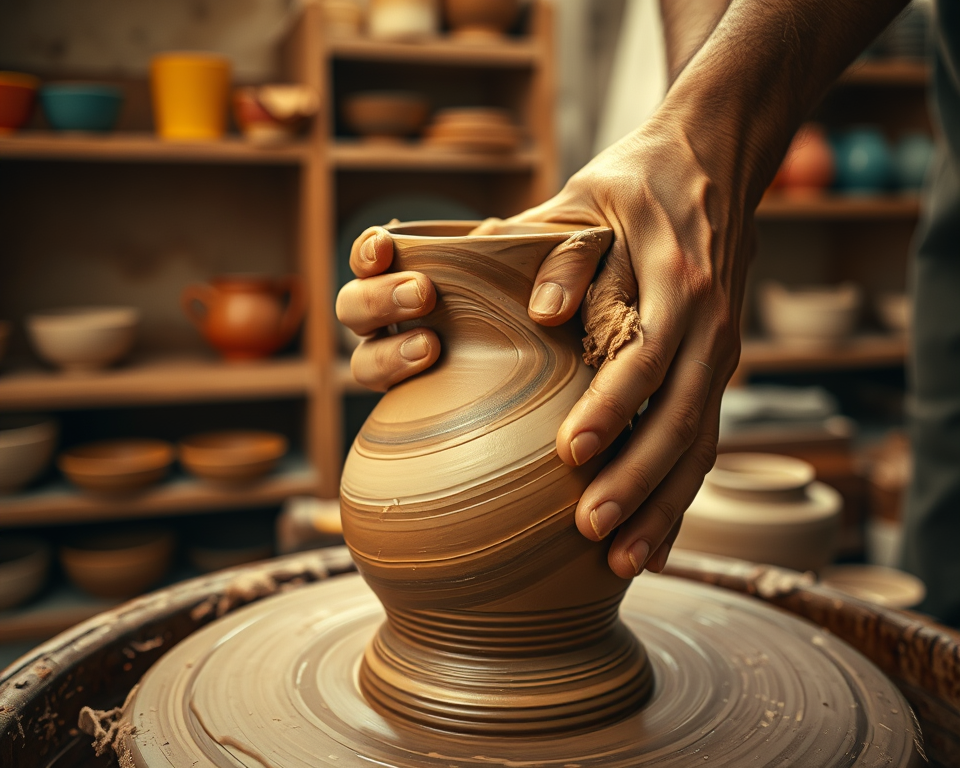
Let me tell you, if you’ve ever thought about getting your hands muddy and creating something beautiful while having a blast, then a pottery studio is your next stop. Seriously, there’s something downright magical about molding clay and watching it transform into something special. Whether you’re a complete newbie or someone with a bit of experience under your belt, pottery studios are places where creativity flows, friendships bloom, and unforgettable memories are made.
Key Takeaways:
– Pottery studios provide hands-on experiences that nurture creativity and promote mental wellness.
– Getting involved with pottery can be a fantastic way to build community and connect with others who share your interests.
– Different types of pottery studios cater to various levels of expertise, ranging from recreational spaces to educational facilities.
– Location and affordability are key when selecting a pottery studio that fits your needs.
Table of Contents
- 1 What is a Pottery Studio?
- 2 Overview of Pottery Studios
- 3 Benefits of Joining a Pottery Studio
- 4 How to Find the Right Pottery Studio
- 5 Common Questions about Pottery Studios
- 6 Types of Pottery Studios
- 7 Frequently Asked Questions
- 7.1 What is the process for creating pottery in a studio setting?
- 7.2 How do I choose the right pottery class for my skill level?
- 7.3 What types of pottery materials and tools are commonly used in classes?
- 7.4 Are there age restrictions for pottery classes?
- 7.5 How can pottery enhance my mental well-being?
- 7.6 What should I wear to a pottery class?
- 7.7 Can pottery classes accommodate different learning styles?
- 7.8 What is the difference between community pottery studios and private ones?
- 7.9 How do I care for my pottery tools and equipment?
- 7.10 What are some common mistakes beginners make in pottery?
What is a Pottery Studio?
Let’s kick things off with the basics. What exactly is a pottery studio? Picture a space that’s buzzing with creativity: shelves filled with colorful glazes, wheels spinning like wild, and the earthy scent of clay wafting through the air. A pottery studio is essentially a creative hub where people come together to learn the art of ceramics.
In a nutshell, it’s a place designed for making art out of clay. These facilities often host a range of pottery classes—anything from beginner workshops where you learn the ropes to advanced sessions focusing on intricate techniques. Think of a pottery studio as your personal playground for turning a lump of clay into something utterly unique—like your very own mug or vase!
Pottery studios serve more than just the act of creating. They provide a sense of community and collaboration. Whether you’re laughing with classmates over a shared experience or gaining insights from seasoned instructors, you’re participating in a collective artistic journey.
Overview of Pottery Studios
What can you expect when stepping into the vibrant world of pottery studios? Well, the options are practically endless. Many studios offer a variety of services, including pottery classes, workshops, and open studio times where you can come in and play with clay freely.
Types of Pottery Studios
There’s a type of studio for almost everyone! From community art centers where you can meet fellow hobbyists to studios that emphasize specialized techniques such as wheel throwing or hand-building, you can find a space that aligns with your creative spirit. Schools and universities often also have ceramics programs that cater to both students and the public.
Here’s a quick look at some common types of pottery studios:
| Studio Type | Description |
|---|---|
| Community Studios | Generally open to anyone, fostering social connections. |
| Educational Studios | Often affiliated with schools offering structured classes. |
| Artistic Spaces | Focuses on artistic expression and advanced techniques. |
| Recreational Studios | Casual environments for hobbyists and families. |
What Happens in a Pottery Studio?
Curious about what you’ll actually do in a pottery studio? Let me paint this picture for you. First things first, once you get past the initial “wow” factor of the space, you’ll likely find that most studios feature a variety of pottery activities. I mean, who wouldn’t love getting hands-on with clay?
Imagine joining classes that allow you to try your hand at wheel throwing, where you’ll get to sit at a pottery wheel and shape clay into whatever comes to mind. Or perhaps hand-building sessions where you stack and mold clay pieces into ingenious designs without the wheel—it’s all super fun! You might also explore glazing techniques, giving your pieces that eye-catching pop of color to really show off your personal flair.
Beyond the actual pottery-making, there’s a sense of community here too. You’re surrounded by others who share your passion (or curiosity), engaging in discussions, offering tips, and motivating each other. Pottery is more than just crafting; it’s about bonding through shared experiences and encouragement.
“When you immerse yourself in a pottery class, you’re not just learning a skill; you’re becoming part of a creative family.”
Benefits of Joining a Pottery Studio
You’re probably wondering, why should I join a pottery studio? Let me break it down for you. The perks of participating in pottery workshops extend far beyond the physical art you create.
Creative and Emotional Benefits
Pottery can be incredibly therapeutic! Getting your hands into that soft clay is like a form of meditation. You find yourself fully absorbed in the process, leaving stress and worries behind as you focus on creating. It’s an art form that encourages mindfulness, allowing you to express your emotions creatively.
According to several studies, engaging in art activities can lead to improved mental wellness. Whether you’re easing anxiety through the rhythmic motions of molding clay or sprinkling in your own unique style, there’s a satisfying sense of achievement that comes from being able to produce something tangible.
Pottery also fosters emotional connections—both with yourself and others. You might create a beautiful piece for a loved one that shows just how much you care, or you could collaborate with fellow studio companions to invent something spectacular. The friendships forged through the shared experience of pottery can last a lifetime.
Educational Opportunities
Let’s talk about the learning journey. Beyond just letting you throw some clay onto a wheel, pottery studios are fantastic educational spaces. They often provide instructor-led classes that cater to all skill levels. Here, you can learn everything, from basic glazing techniques to more challenging pottery methods.
Whether you’re looking for a pottery class that’s strictly beginner-friendly or you want to take an advanced workshop focusing on intricate hand-building styles, there is a class out there for you. Many times, studios even offer tutorials that introduce you to different pottery tools, clays, and firing processes.
Just think about it: you walk in as a curious novice and leave with newfound skills, knowledge, and a passion for pottery you never knew existed. You might find yourself eyeing classes like the ‘Introduction to Wheel Throwing,’ which can cost around $200 for a series of eight sessions—definitely worth investing in!
How to Find the Right Pottery Studio
Now that you’re excited about joining a pottery studio, let’s talk about how to find the one that’s just right for you. It might feel overwhelming at first, but trust me, with a few pointers, you’ll be on your way to finding your pottery haven in no time.
Factors to Consider
When searching for the perfect pottery studio, keep the following in mind:
- Location: Check if it’s close to home or work. The easier it is to get there, the more likely you’ll stick with it.
- Class Availability: Look for studios that offer classes that fit your schedule.
- Pricing: Compare pottery prices! Some studios charge a flat fee that includes materials, while others may require you to purchase your supplies separately.
To assist your search, here’s a quick overview of what to look for:
| Factor | Things to Think About |
|---|---|
| Location | How far are you willing to travel? |
| Class Types | Are they beginner-friendly? |
| Pricing | Are materials included or extra? |
Checking Community Recommendations
One of the best ways to find a pottery studio is by getting some word-of-mouth recommendations. Ask friends, family, or coworkers if they’ve been to any studios and what their experiences have been.
You can also check online reviews or social media platforms. Community art forums and even local group pages can shine a light on popular studios in your area. Look for studios that have a significant number of positive testimonials, as these can give you a good idea of what to expect.
“You can learn a lot by simply asking around. A personal recommendation usually means you’re in for something good!”
Common Questions about Pottery Studios
As you embark on this exciting journey into pottery, it’s natural to have questions. Luckily, I’ve got the answers lined up for you!
What Can You Expect in Terms of Cost and Time?
So, let’s talk dollars and cents. The cost of pottery classes varies widely based on location, studio type, and what’s included. A typical pottery class might range from $20 to $40 per session, and often packages can save you money if you commit to a few classes upfront.
As for time, class duration usually falls between 1.5 to 3 hours, depending on the studio and specific class format. Make sure you allocate enough time to enjoy the process! It’s not just about honing your skills but also about savoring the moments spent in a creative space.
What Do You Do at a Pottery Studio?
Okay, what can you expect to be doing in these studios? From hands-on experiences with various pottery techniques to participating in group activities, you’ll find a variety of fulfilling and fun options. Some classes focus on individual projects, while others encourage group interactions—perfect for meetings of friends or family.
During your time in the studio, you can engage in projects like:
- Creating functional pieces like bowls and mugs.
- Sculpting decorative art pieces.
- Exploring advanced techniques like slip casting or sgraffito.
What’s more, there’s usually plenty of space to play with clay, test your creativity, and really push your artistic limits. Just imagine the feeling of crafting something with your own hands—it’s simply incredible!
Types of Pottery Studios
Now that you’re ready to jump into the world of pottery, let’s take a closer look at the various types of studios available to you.
Traditional vs. Modern Studios
Some pottery studios lean towards the traditional, focusing on historic techniques and practices passed down through generations. Think of classes for the classic wheel throwing or hand-building methods. These studios often create a cozy vibe that makes you feel right at home with pottery.
But then there are the modern studios! These places may offer innovative approaches to ceramics that incorporate new materials, designs, and methods. Here, you might find classes focusing on contemporary styles that bring a fresh twist to traditional pottery.
Exploring Different Offerings
Finally, let’s wrap things up by choosing a studio that suits your interests and needs. Whether it’s pottery classes, specialized workshops, or recreational opportunities, there are plenty of choices.
Keep an eye out for studios that offer:
- Diverse pottery classes tailored to different skill levels.
- Specialized workshops featuring unique pottery techniques you want to master.
- Community pottery experiences that allow group engagement and bonding.
Your pottery journey is a reflection of your personality. Finding a studio that resonates with your artistic spirit is essential for maximizing your enjoyment and growth. So what are you waiting for? Get out there, and let the creativity flow!
Frequently Asked Questions
What is the process for creating pottery in a studio setting?
Creating pottery typically involves several stages: preparing the clay, shaping the pieces (using methods like hand-building or wheel-throwing), allowing the clay to dry, bisque firing, glazing, and finally firing again for a finished product. Each stage requires specific techniques and tools, contributing to the overall artistry of pottery.
How do I choose the right pottery class for my skill level?
When selecting a pottery class, consider your skill level—beginner, intermediate, or advanced. Look for courses that specify skill prerequisites and inquire about the instructor’s experience. Many studios offer classes tailored for beginners which provide foundational techniques and guidance to ease you into the craft.
What types of pottery materials and tools are commonly used in classes?
Common materials include various types of clay (earthenware, stoneware, porcelain), glazes, and tools like pottery wheels, sculpting tools, and kiln supplies. Beginners typically start with basic tools, while advanced students might explore specialized equipment, enhancing their creative possibilities in pottery making.
Are there age restrictions for pottery classes?
Most pottery studios welcome participants of all ages, but age restrictions may vary by class or studio. Some studios offer family-friendly sessions or specific classes tailored for children, while others might focus on adult students. Always check with the studio about age requirements before enrolling.
How can pottery enhance my mental well-being?
Working with clay and engaging in the creative process can promote mindfulness, reduce stress, and foster emotional expression. Many people find that the tactile nature of pottery helps them to engage fully in the moment, contributing to overall mental wellness and emotional health.
What should I wear to a pottery class?
Wear comfortable clothing that you don’t mind getting dirty. Pottery can be a messy process, so materials like cotton or denim are recommended. Avoid loose sleeves that can snag on equipment, and opt for sturdy footwear if you’ll be moving around the studio.
Can pottery classes accommodate different learning styles?
Yes, many pottery studios recognize that learners may have different preferences. Instructors often use a mix of demonstrations, hands-on practice, and visual aids to cater to various learning styles. You can also ask for personalized instruction if you have specific learning needs.
What is the difference between community pottery studios and private ones?
Community pottery studios typically operate as shared spaces, encouraging collaboration and communal learning, often at lower costs. Private studios may offer more personalized instruction and exclusive access to equipment but often come at a higher fee. Consider your budget and learning preferences when choosing.
How do I care for my pottery tools and equipment?
Proper maintenance of pottery tools involves cleaning them after each use, storing them in a dry place, and replacing worn or damaged items promptly. For more significant equipment like kilns and pottery wheels, follow the manufacturer’s care instructions and schedule regular maintenance checks for optimal performance.
What are some common mistakes beginners make in pottery?
Beginners often struggle with clay preparation, inconsistent application of glaze, or improper firing temperatures. It’s important to ask questions and seek guidance from instructors to avoid these pitfalls. Embrace the learning process, as mistakes are an integral part of developing pottery skills!
