
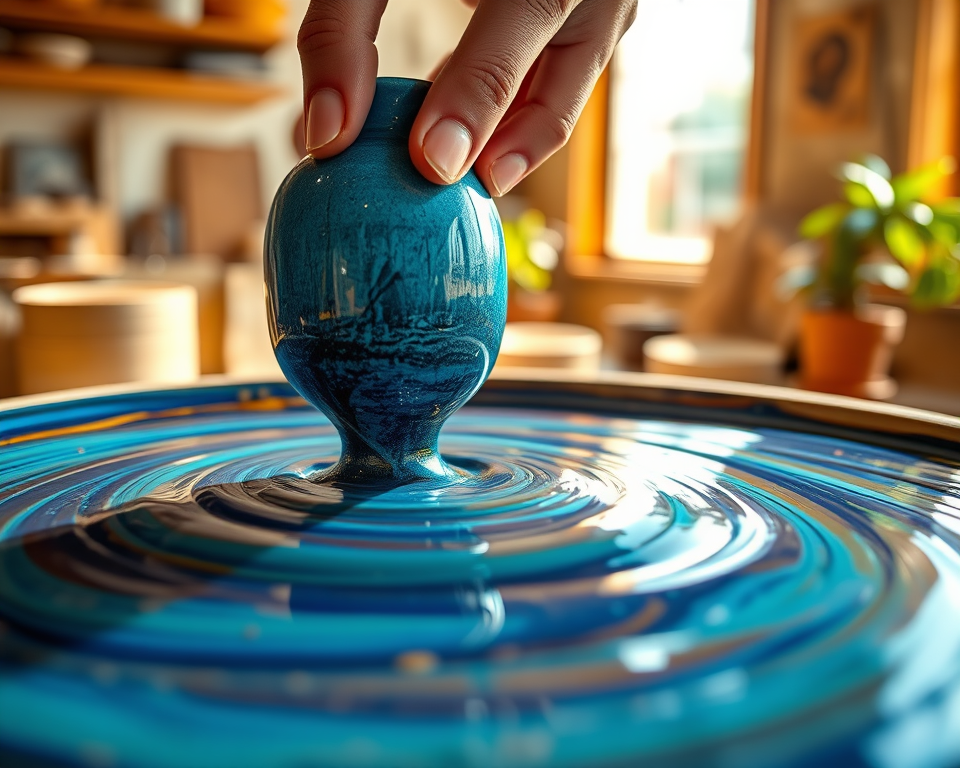
When I first dipped my hands into the world of pottery glazing, it felt like stepping into an endless realm of creativity. The colors, the textures, the possibilities—oh, it was pure magic! But let me tell you, it can also feel a bit daunting, especially if you’re trying to figure out how to glaze pottery at home. Whether you’re a weekend warrior or a curious beginner, I’m here to help you navigate this exciting venture. So, let’s roll up our sleeves and get started!
Table of Contents
- 1 Key Takeaways
- 2 Selecting the Right Glaze for Your Projects
- 3 Essential Supplies for Home Pottery Glazing
- 4 Step-by-Step Guide to Glazing Pottery at Home
- 5 Creative Glazing Ideas for Your DIY Pottery Projects
- 6 Overcoming Common Pottery Glazing Challenges
- 7 Frequently Asked Questions
- 7.1 What are the differences between low-fire and high-fire glazes?
- 7.2 How do I know if my glaze is food-safe?
- 7.3 Can I mix different types of glazes?
- 7.4 What should I look for in a pottery glazing kit?
- 7.5 How can I fix common glazing mistakes?
- 7.6 What are some creative glaze techniques I can try?
- 7.7 How does glaze drying time vary between different types?
- 7.8 Should I be concerned about toxic materials in glazes?
- 7.9 What is sgraffito in pottery glazing techniques?
- 7.10 How can I improve my glazing skills over time?
Key Takeaways
- Choosing the right glaze is crucial; it sets the tone for your entire project.
- Preparation is key—cleaning and prepping your pottery before glazing ensures better results.
- Experimentation is part of the fun! Don’t be afraid to try new techniques and colors.
- Safety first—always use non-toxic glazes and proper gear to protect yourself while crafting.
- Community matters—sharing your experiences can inspire others and create lasting connections.
Selecting the Right Glaze for Your Projects
Finding the right glaze can feel like searching for a needle in a haystack, but let me tell you—it’s totally worth it! There are countless options out there, but knowing what you need for your specific project can save you a ton of headaches.
Understanding Different Types of Glazes
When it comes to glazes, it’s not a one-size-fits-all situation. Each type brings its own unique flair. For beginners, I recommend starting with low-fire glazes like Amaco or Duncan. They’re easy to work with and come in vibrant colors.
| Glaze Type | Characteristics | Best For |
|---|---|---|
| Low-Fire | Bright colors, easy application | Earthenware pottery |
| High-Fire | Earthy tones, great durability | Stoneware and porcelain |
| Transparent | Allows clay color to show through | Layering techniques |
| Opaque | Solid color coverage | Consistent base layers |
| Underglazes | For detailed designs and patterns | Decorative accents |
Pro tip: High-fire glazes, like those from Laguna Clay Company, are brilliant for achieving deep, rich finishes. They’re a bit more challenging but worth the effort!
Best Practices for Glaze Application
Okay, let’s get down to the nitty-gritty of actually applying glaze. You’ll want to choose a method depending on what look you’re going for. A few popular techniques include:
- Brushing: Perfect for detailed work—grab a set of glaze brushes. The Grumbacher Pro-Size brushes are my go-to!
- Dipping: This works wonders for a uniform coat. Fill a bucket with your glaze, dip, and voila!
- Spraying: For an artsy touch, consider spray glazing. A tool like the Airbrush Set from Master Airbrush Kit can help achieve stunning, even coats.
Each method has its own challenges, but experimenting with them is half the fun! Don’t sweat the small stuff—you’ll learn as you go.
Essential Supplies for Home Pottery Glazing
You can’t just jump into glazing without a few essentials. I’ve made plenty of pitfalls when starting out, so let me save you some frustration by sharing what you truly need!
Recommended Tools and Equipment
Here’s a shortlist of must-have supplies:
- Glaze Brushes: A variety allows for different textures and finishes. Look for sets around $10 – $20.
- Dipping Buckets: You can DIY these with any old buckets—just make sure they’re clean!
- Spray Guns: Investing in a good spray gun, like the Paasche H Paint Spray Gun, can cost between $50 and $70, but it’s worth every penny for consistent finishes.
- Kiln Accessories: Don’t forget your kiln! Depending on size and brand, options range from $500 for small electric kilns up to a few thousand for larger models capable of high-fire work.
Having the right setup can make all the difference in your experience. It’s about maximizing your comfort and creativity while minimizing struggles and setbacks.
Material Safety and Handling
Safety is not optional; it’s a must! You’re dealing with chemicals, which means following some basic precautions will keep your craft enjoyable and safe.
Always choose non-toxic glazes. Coyote Clay Company offers a fantastic range of safe options. It’s also wise to have your personal protective equipment (PPE) handy—think gloves and masks, especially if you’re spraying glazes. Keep your workspace tidy, and always wash your hands after handling any materials.
“A clean space is a happy space. Stay organized, and your creativity will flow smoother.”
Step-by-Step Guide to Glazing Pottery at Home
Now that you’ve got your equipment and safety measures sorted, let’s jump into a step-by-step guide to making your pottery shine.
Prepping Your Pottery for Glazing
Here’s where we lay the foundation! Prepping your pottery can make all the difference between a masterpiece and a mess.
- Bisque Firing: First things first, make sure your pottery is bisque-fired and cool. This is crucial for proper glaze adhesion.
- Cleaning: Use a damp sponge to wipe down your pottery. Surfaces must be free from dust, oils, and any leftover clay residue.
- Surface Treatment: If you’re aiming for some unique effects, consider applying a coat of slip for textured designs.
“Prepping is key! Promise you’ll take this step seriously; it’ll save you big time in the long run.”
Actual Glazing Process
Now onto the fun part—applying the glaze! Here’s how to rock it:
- Application Technique: Remember those methods I mentioned? Brush, dip, or spray—pick your poison.
- Layering: If you want to add depth, consider layering glazes. Just ensure the first layer is completely dry before adding another.
- Experiment: Try different combinations on test tiles before going all-in on your piece. This step is where you can really let your creativity flow!
Post-Glazing: Drying and Firing
Once you’ve nailed the application, there’s just a little more to do. To get that stunning finish, follow these steps:
- Drying Time: Let your pieces dry thoroughly before firing. Aim for at least 24 hours.
- Kiln Operation: Load your kiln carefully, ensuring pieces are not touching to avoid sticking.
- Firing Schedule: Set your kiln according to the glaze manufacturer’s instructions. Typical ranges for low-fire glazes are around 1830°F, while high-fire may go up to 2350°F.
Keep track of your firings to understand how different glazes behave.
Creative Glazing Ideas for Your DIY Pottery Projects
Now that you’re well on your way to glazing like a pro, let’s talk about how to be creative with it!
Popular Glazing Techniques to Explore
Feeling adventurous? Here are some glazing techniques worth trying:
- Sgraffito Technique: This is where you carve designs into a layer of colored slip or glaze. It’s awesome for decorative accents!
- Marbling: Mix glazes together for a marbled effect. Swirling contrasting colors can yield stunning results.
- Splatter Glazing: Grab a brush, load it with glaze, and flick it onto your pottery. It’s a fun way to add a playful, one-of-a-kind finish.
Don’t be afraid to play around—many of the best glaze effects come from happy accidents!
User Experiences and Examples
I can’t stress enough how valuable it is to engage with the pottery community. Share what you’re working on, ask questions, and showcase your completed projects. Online forums and social media can inspire and motivate you as you develop your unique style.
“Every potter has a story. Share yours and learn from others in the same boat.”
Overcoming Common Pottery Glazing Challenges
Let’s be real—pottery glazing isn’t always easy. You’re going to hit a few bumps along the road, but it’s about finding solutions!
Addressing User Frustrations with Glazing
Many beginners express confusion over glaze brands or firing instructions. Here’s how you can tackle these issues:
- Research Brands: Stick to reputable brands with user-friendly guidelines. Simple choices like Amaco and Spectrum have excellent online resources.
- Forums and Online Groups: Join pottery communities on platforms like Reddit or Facebook. You’ll find countless voices offering support.
- Test vs. Final: Always test glazes on small pieces first. It’ll show you how they work before committing to larger projects.
Learning from User Experiences and Testimonials
Tap into what others are doing! Seek out testimonials from fellow potters and pitchers. Somebody’s shared experience could save you from following in their footsteps on a misstep.
Troubleshooting Common Glazing Errors
When things go awry, fear not! Here are some common issues and fixes:
| Glazing Issue | Cause | Solution |
|---|---|---|
| Uneven Color | Inconsistent application | Use even strokes during application |
| Glaze Runs | Too much glaze applied | Thin out with water before application |
| Bubbling or Blisters | Air trapped in glaze layer | Preheat glazed pieces before firing |
With each hiccup, remember: practice makes progress. The more you work with glazes, the better you’ll get at predicting how they’ll behave during firing.
This journey into pottery glazing can be as rewarding as it is challenging, and each piece you finish will add to your skills and confidence. Let creativity sweep you away, and enjoy every moment of this craft!
Frequently Asked Questions
What are the differences between low-fire and high-fire glazes?
Low-fire glazes are typically used at lower kiln temperatures (around 1830-1950°F) and result in bright colors and glossy finishes but can be less durable. High-fire glazes, fired at higher temperatures (over 2300°F), offer more natural earth tones and durability but require more technical skill for application.
How do I know if my glaze is food-safe?
To ensure a glaze is food-safe, check if it’s labeled as non-toxic and food-safe by the manufacturer. Additionally, glazes that do not contain lead or other harmful substances are generally considered safe for food contact. Always consult the product specifications before use.
Can I mix different types of glazes?
Yes, you can mix different types of glazes, but it’s essential to understand how they will interact. Mixing low-fire with high-fire glazes can cause issues as they may glaze improperly. Conduct tests on small pieces to see how the mixtures perform together before applying them to larger projects.
What should I look for in a pottery glazing kit?
When choosing a pottery glazing kit, look for quality glazes that suit your firing temperature, a variety of color options, and application tools that match your glazing methods. Kits that include safety gear and clear instructions for beginners are also beneficial.
How can I fix common glazing mistakes?
Common glazing mistakes, like uneven coverage or drips, can be fixed by sanding the area once the glaze is dry and reapplying a thin layer. For cracks, re-firing the piece might help if the glaze has not adhered properly. Always test glazes on small pieces first to avoid large-scale errors.
What are some creative glaze techniques I can try?
Some creative glazing techniques include splatter glazing, where glaze is flicked onto the surface, and layering glazes, where multiple colors are applied in layers to create depth. Experimenting with natural elements, like leaves or found objects, can also yield unique textures.
How does glaze drying time vary between different types?
Glaze drying time can vary significantly based on the type of glaze and environmental conditions like humidity. Generally, low-fire glazes dry faster, typically within an hour, while high-fire glazes may take longer. It’s essential to allow complete drying before firing to avoid defects.
Should I be concerned about toxic materials in glazes?
Yes, some glazes contain toxic materials such as lead and cadmium. Always choose non-toxic, food-safe options for items that will come into contact with food. Familiarize yourself with glaze labels and consider researching the ingredients if you’re unsure.
What is sgraffito in pottery glazing techniques?
Sgraffito is a decorative technique involving scratching through a surface layer of glaze to reveal the clay body beneath. This method allows artists to create intricate designs and textures. It’s often used with underglazes to add detail and contrast to the final piece.
How can I improve my glazing skills over time?
Improving your glazing skills comes from practice and experimentation. Keep a journal of techniques and results, seek feedback from other potters, and engage with pottery communities online. Additionally, taking workshops or classes can provide valuable hands-on experience and knowledge.
