
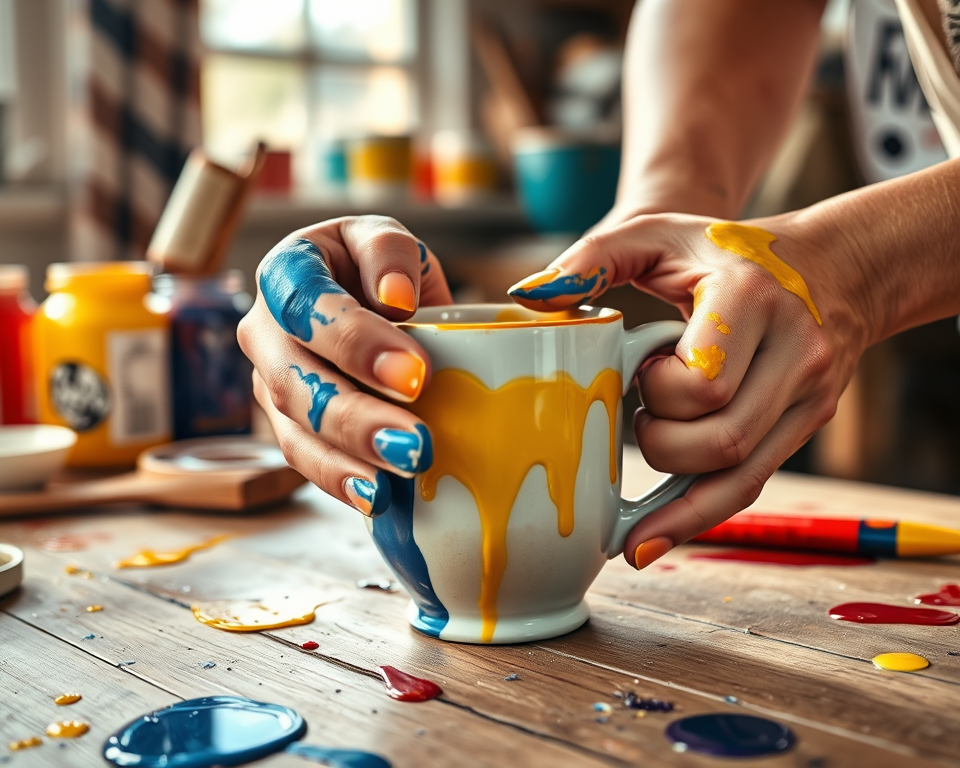
There’s something magical about pottery painting that just lights up the creativity within us. Whether you’re a total newbie or a crafty soul looking for fresh inspiration, the world of pottery opens up a canvas of possibilities. Picture this: your hands covered in paint, the satisfaction of transforming a plain piece of clay into a vibrant masterpiece, and maybe even the joy of sharing your creation with friends or family. So, if you’re on the hunt for unique pottery painting ideas that’ll spark your creativity, I’ve got you covered!
Table of Contents
- 1 Key Takeaways
- 2 Pottery Painting Themes for Inspiration
- 3 Step-by-Step Pottery Painting Techniques
- 4 Tools and Materials for Pottery Painting
- 5 Color Palettes and Design Tips
- 6 User-Submitted Pottery Painting Ideas
- 7 Frequently Asked Questions
- 7.1 What are some beginner-friendly pottery painting designs I can try?
- 7.2 How do I prepare my pottery piece before painting?
- 7.3 Can I use regular acrylic paint on pottery?
- 7.4 What are the best methods for mixing and applying glazes?
- 7.5 How can I overcome creative blocks in pottery painting?
- 7.6 What protective measures should I take when painting?
- 7.7 How can I avoid common painting mistakes when pottery painting?
- 7.8 What types of finishes can I use for my painted pottery?
- 7.9 Are there specific competitions or events for pottery enthusiasts?
- 7.10 How can I connect with other pottery artists?
Key Takeaways
- Explore a variety of pottery painting themes ranging from the whimsical to the elegant.
- Master essential painting techniques with step-by-step guidance only a true friend would provide.
- Learn about must-have tools and materials for a smooth pottery painting experience.
- Get the lowdown on color palettes that resonate with your artistic vision.
- Find inspiration from fellow pottery enthusiasts through a vibrant community showcase!
Pottery Painting Themes for Inspiration
When it comes to pottery, the themes you choose can really set the tone of your piece. Think about what resonates with you—be it nature, culture, or even your favorite movies. Let’s explore some popular pottery themes that I bet you won’t want to miss!
Popular Themes in Pottery Painting
One of the best things about pottery painting is the flexibility in themes. You can let your imagination run wild! For those who love storytelling, why not pivot to classic themes like “Under the Sea” with ocean wave patterns and vibrant fish designs? Or how about Cultural Motifs that pay homage to your ancestry or travels?
Then there are Seasonal Patterns that embrace the essence of the time of year. I recently painted a few pieces inspired by fall, with rich oranges and yellows representing fallen leaves—it truly captures the season’s spirit!
“Art enables us to find ourselves and lose ourselves at the same time.” — Thomas Merton
Seasonal and Holiday Painting Ideas
Let’s be real; seasonal or holiday-themed pottery is just plain fun. Who wouldn’t want a festive mug or bowl during the holidays? I love filling my home with DIY pottery that screams the season. Here are a few ideas that’ll get your creative juices flowing:
- Halloween: Think spooky shapes like bats, ghosts, and pumpkins. Use dark paints contrasted with vibrant hues for an eerie effect.
- Christmas: Themed pottery with snowflakes, Christmas trees, and reindeer is always a hit. I recommend using metallic paints for an elegant finish.
- Summer: Bright colors and floral patterns can make your pottery pop! Try sunflowers, beach scenes, or even sunset gradients.
The key is to embrace the spirit of the season and let it inspire your designs!
Step-by-Step Pottery Painting Techniques
Let’s face it—the technical stuff can be a bit intimidating, especially if you’re new to this whole pottery painting game. But don’t sweat it! I’ll take you through some essential techniques that’ll set you up for success.
Essential Techniques for Beginners
Being a beginner doesn’t mean you can’t create something beautiful. Here are some basic techniques I swear by:
- Dabbing: Use a sponge to dab paint onto your pottery for a textured look.
- Stenciling: Easy to follow, just place a stencil on your pottery, fill it with the color of your choice, and voilà!
- Sponge Painting: Grab those sponges and some contrasting colors. Apply them randomly for a fun, abstract design.
The great thing is that these beginner techniques not only build your skill set but help you gain confidence. Every little success will keep you motivated!
Advanced Techniques for Intermediate Artists
Once you’ve mastered the basics, it’s time to up your game with some advanced techniques. Trust me, your pottery will thank you!
- Layering: Build depth by applying multiple layers of paint. Start with a base coat and then add highlights or shadows using complementary colors.
- Sgraffito: This technique involves scratching away a top layer of slip or glaze to reveal a contrasting layer underneath. It’s a fantastic way to create intricate designs!
- Blending: Use a wet brush to blend two colors seamlessly. This can give your piece an ethereal look, perfect for those dreamy designs.
With these skills in your back pocket, the sky’s the limit!
Tools and Materials for Pottery Painting
Alright, let’s talk gear! Having the right tools and materials can make or break your pottery painting experience. Here’s my go-to list.
Must-Have Supplies for Pottery Painting
For starters, you’ll need to gather some essential supplies to elevate your pottery painting game:
- Brushes: You can’t go wrong with a decent set of brushes. I love the Royal & Langnickel paintbrush set ($20), which covers various sizes and shapes.
- Sponges: A must for those dabbing and sponge painting techniques. They’re inexpensive and super versatile!
- Ceramic Paints: I recommend using folkArt Enamel Acrylic Paint (around $5 per bottle) for its durability and rich color options.
Table: Recommended Pottery Supplies
| Item | Recommended Product | Price |
|---|---|---|
| Brushes | Royal & Langnickel Paintbrush Set | $20 |
| Sponges | General-purpose Craft Sponges | $5 |
| Acrylic Paints | folkArt Enamel Acrylic Paint | $5/bottle |
| Sealant | Americana Acrylic Sealer | $7 |
Recommended Paints and Finishes
Now that you have your tools, let’s discuss some killer paint options. Having the right paint can affect not only the aesthetics but also the durability of your pottery.
Ceramic Paints: I swear by Apple Barrel’s Acrylic Paint (about $3 a bottle). It’s non-toxic and perfect for pottery, offering vibrant colors and smooth finishes.
Finishing Touches: Once the paint is dry, protect your masterpiece with a clear glaze or sealer, like Americana Acrylic Sealer. This will keep your piece safe from scratches and enhance the colors.
Color Palettes and Design Tips
Choosing the right colors can make a huge difference in how your pottery is perceived. Believe me, it’s not just about slapping paint on a piece; it’s about creating something harmonious and beautiful!
How to Choose the Right Colors
To start, think about the emotions you want your piece to convey. Are you going for calm blues and greens, or vibrant reds and yellows? Here are some tips for mastering color selection:
- Stay within a Color Family: For a cohesive look, pick colors within the same family.
- Use a Color Wheel: This little gem can help you understand complementary colors and make smarter choices.
- Emotional Impact: Colors evoke feelings—cool colors can bring tranquility while warm colors can energize.
“Color is the keyboard, the eyes are the harmonies, and the soul is the piano with many strings.” — Wassily Kandinsky
Easy Color Mixing Techniques
Mixing colors is where the true magic happens! Use this simple approach to expand your palette.
- Start with Primary Colors: Red, blue, and yellow mixed in various ratios can give you a range of secondary colors.
- Experiment with Ratios: Want a lighter shade? Add more white!
- Create a Test Palette: Always test mixes on a scrap piece before committing to your pottery.
That way, you can ensure that your blend comes out just right!
User-Submitted Pottery Painting Ideas
You know what I love? Getting inspiration from fellow pottery enthusiasts! The community out there is full of amazing creativity that often sparks my own.
Featured Designs from Our Readers
We recently had a call for submissions, and wow, did we get some stunning pieces! Here are a few reader highlights that can inspire your next project:
- Nature-Inspired Mugs: Readers incorporated real dried flowers into their designs, creating a stunning 3D effect.
- Geometric Patterns: A few fellow artists explored minimalism with clean lines and basic shapes, showing less is truly more.
- Whimsical Creatures: From cute cats to fantastical dragons, the imaginative designs really capture the whimsical spirit of pottery painting.
This kind of creative exchange is just what you need sometimes to get unstuck!
Tips for Engaging in Pottery Art with Others
Creating pottery doesn’t have to be a solo endeavor. Engaging with others can be such a fun and rewarding experience! Here are a few tips:
- Join a Local Class or Workshop: Get your hands dirty alongside other budding artists. It’s a great way to learn and connect.
- Host Pottery Parties: Invite a few friends over and make a day out of painting. You can share ideas and techniques!
- Participate in Online Forums: There are plenty of vibrant communities online where you can share your work, get feedback, and collaborate. Sites like Pinterest or Instagram can be particularly inspiring.
Overcoming Challenges in Pottery Painting
Let’s chat about the not-so-glamorous side of pottery painting: the frustrations! Trust me; we all experience them at some point.
Solutions to Common Pottery Painting Problems
You’ll likely face some challenges along the way, but you’re not alone! Here are ways to tackle common issues:
- Paint Smudging: If you find your paint smudging, give your piece enough time to dry between layers. Patience really is a virtue in this case!
- Uneven Colors: Layering can help, especially with lighter colors that may need an extra coat to pop.
- Mistakes: Don’t stress too much; consider using them as a part of your design. Sometimes, “oops” turns into “wow!”
Building Confidence in Your Pottery Skills
As you grow your skills, don’t forget to celebrate small wins. Each piece is a step toward improvement. Try to:
- Keep a creative journal outlining your ideas and progress.
- Share your work on social media, and don’t be afraid to seek feedback.
- Aim to experiment and let go of perfection—every artist has their own unique style!
Building confidence in your skills is essential, and the more you practice, the bolder you’ll feel creatively.
This vast world of pottery painting is filled with endless possibilities, just waiting to be explored. Each stroke of paint can tell a story, evoke emotions, and connect with others. So grab those brushes, unleash your inner artist, and enjoy the colorful journey ahead. And remember, the only limit is your imagination!
Frequently Asked Questions
What are some beginner-friendly pottery painting designs I can try?
For beginners, simple shapes and patterns are ideal. Consider using polka dots, stripes, or abstract designs. These can be easily achieved with stencils or tape, allowing you to focus on mastering your brush strokes without feeling overwhelmed.
How do I prepare my pottery piece before painting?
Before painting, clean your pottery thoroughly to remove dust and oils. If your piece is unglazed, you may want to lightly sand it to create a texture for better paint adhesion. Make sure it’s completely dry before applying any paint.
Can I use regular acrylic paint on pottery?
Regular acrylic paint can be used for pottery, but it typically needs to be sealed with a proper glaze or varnish after drying to make it waterproof and durable for functional pieces. Look for paints specifically designed for ceramics for the best results.
What are the best methods for mixing and applying glazes?
Mix glazes thoroughly according to the manufacturer’s instructions, ensuring a smooth consistency. For application, brushes or sponges can work well. Spraying can also create an even coat but requires practice. Always do a test piece before working on your final design.
How can I overcome creative blocks in pottery painting?
When facing a creative block, try exploring different styles or themes that inspire you. Set up a dedicated time for your art, even if it’s just to doodle. Joining workshops or online communities can provide fresh ideas and constructive feedback.
What protective measures should I take when painting?
Always wear gloves and a mask when working with pottery paints and glazes to avoid inhaling dust and fumes. Ensure your work area is well-ventilated, and cover surfaces to protect them from spills and stains during painting.
How can I avoid common painting mistakes when pottery painting?
To avoid mistakes, plan your design on paper first and visualize how it will translate to your pottery. Start with lighter colors and gradually add darker shades. Practicing brush techniques on scrap clay can also help refine your skills before you paint your final piece.
What types of finishes can I use for my painted pottery?
There are several finishing options for your pottery, including glossy, matte, and satin. Clear glazes can enhance colors and provide a durable surface, while more specialized finishes can offer unique textures or effects, such as metallic or chalky finishes.
Are there specific competitions or events for pottery enthusiasts?
Yes, there are various pottery competitions and art shows throughout the year that welcome pottery painting submissions. Local art centers often host events, and online platforms may have virtual competitions. Check ceramic guilds or community groups for announcements and participation opportunities.
How can I connect with other pottery artists?
Engaging with fellow pottery artists can be done through local classes, workshops, or art co-op spaces. Online forums and social media platforms also provide a space to share your work, gain feedback, and participate in collaborative projects with artists from around the world.
