
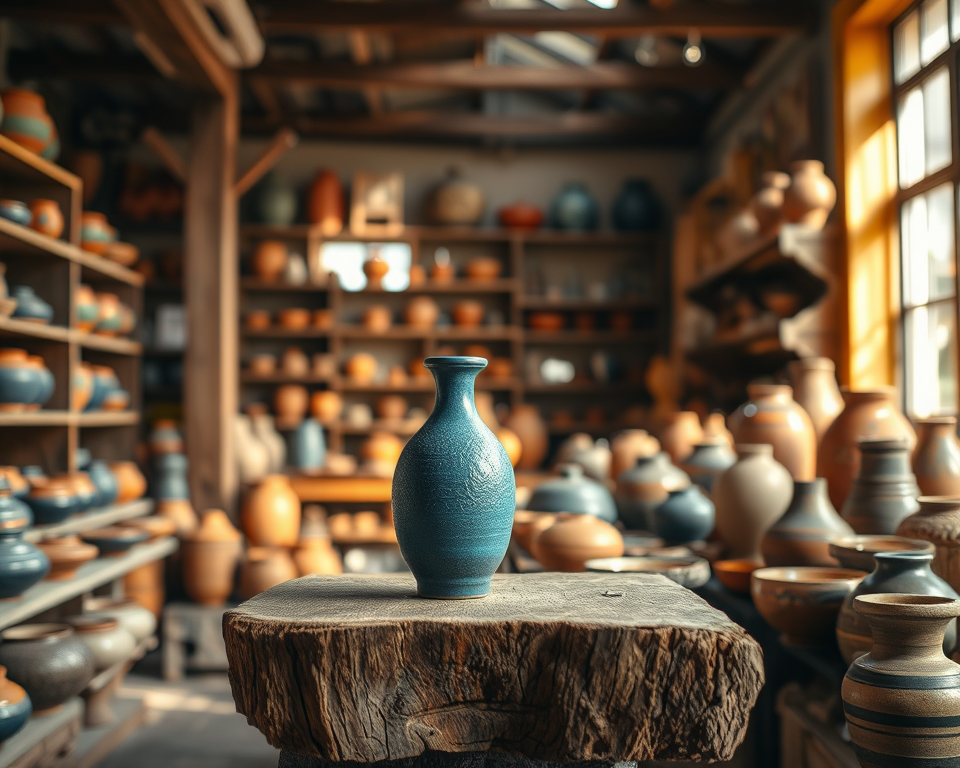
Tokyo is a treasure trove of creativity, especially when it comes to pottery. Every time I wander through the bustling streets, I can’t help but feel the excitement bubble up inside me. If you’re like me and love unique, handcrafted pieces, then you’re in for a real treat! Whether you’re searching for that perfect ceramic bowl or a stunning vase to elevate your home decor, the city has some serious gems. So, let’s get into it and explore where to find the best pottery shops in Tokyo!
Table of Contents
- 1 Key Takeaways
- 2 Where to Find Pottery Shops in Tokyo
- 3 Types of Pottery Available
- 4 Practical Information for Pottery Shopping
- 5 User Reviews and Recommendations
- 6 Cultural Significance of Pottery in Tokyo
- 7 Finding Lesser-Known Gems
- 8 Frequently Asked Questions
- 8.1 What are the key characteristics of traditional Japanese pottery?
- 8.2 Are there pottery workshops available in Tokyo for beginners?
- 8.3 What should I keep in mind when purchasing pottery as a gift?
- 8.4 How can I find lesser-known pottery shops in Tokyo?
- 8.5 What types of pottery are considered best souvenirs from Tokyo?
- 8.6 How do I ensure that my pottery purchases are authentic and of good quality?
- 8.7 What are some popular pottery festivals or events in Tokyo?
- 8.8 How can I navigate the public transport system to get to pottery shops in Tokyo?
- 8.9 What are the typical price ranges for pottery in Tokyo?
Key Takeaways
- Tokyo is brimming with unique pottery shops offering various styles, from traditional to contemporary ceramics.
- Visiting local artisans and lesser-known gems can provide truly one-of-a-kind finds.
- Consider practical details like store hours and proximity to popular attractions to plan your pottery shopping adventure effectively.
- User reviews and experiences can provide valuable insight into which shops to prioritize.
- Pottery from Tokyo makes for fantastic souvenirs and gifts that capture the essence of Japanese culture.
Where to Find Pottery Shops in Tokyo
When it comes to pottery locations in Tokyo, you’re spoiled for choice. The city is packed with ceramic galleries and artisan shops, making it an ideal destination for pottery enthusiasts and casual visitors alike. From upscale galleries showcasing stunning pieces to quaint shops filled with local crafts, there’s something for everyone.
One of my all-time favorite neighborhoods for pottery is Yanaka. Known for its old-world charm, this area is like stepping back in time. Here, you can find shops like Tsubaki that specialize in traditional Japanese ceramics. The atmosphere is so serene; it’s perfect for a leisurely stroll. Another hotspot is Kappabashi street, also known as the “Kitchen Town.” This area caters to those looking for all things culinary, and you’ll find a fantastic selection of ceramic dishware here.
Overview of Popular Pottery Areas
Tokyo has several neighborhoods boasting incredible pottery shops. Here are a few must-visit areas:
- Yanaka: Traditional ceramics and charming streets.
- Kappabashi: A foodie paradise with kitchenware and ceramics.
- Asakusa: A mix of tourist attractions and unique artisan shops.
- Shibuya: Trendy shops featuring contemporary pottery.
Notable Popularity and Reputation of Shops
Checking out reviews can save you both time and frustration when searching for the best pottery shops in Tokyo. For an exhilarating shopping experience, you’ll want to make note of customer feedback. Shops like Higashiya in Ginza focus on quality and craftsmanship. They carry a range of beautiful Japanese ceramics that are well-loved by locals and visitors.
Another gem, Kawai-zakkai, frequently receives rave reviews for its stunning selection of handmade pottery. People rave about the personal service and the stories behind each piece. Trust me, incorporating a few user reviews into your shopping strategy can really enhance your experience.
Types of Pottery Available
Once you’re on the hunt for ceramics, you’ll discover a delightful array of styles, from traditional Japanese pottery to contemporary artistic pieces. There’s a whole world of ceramics waiting for you in these shops!
In my explorations, I’ve come across gorgeous sake sets that make perfect gifts for friends. You can snag high-quality ceramics like the traditional Imari porcelain or beautifully crafted Raku pieces, known for their unique glaze and firing techniques.
Details on Popular Pottery Styles
Japanese pottery comes with rich history and diverse styles. Some styles to keep an eye out for include:
- Mino ware: Perfect for everyday dishes, these have a rustic appeal.
- Bizen pottery: Known for its earthy tones and unique firing techniques.
- Shino ware: Recognized for its rich colors and texture.
- Kutani ware: Brightly colored and often adorned with intricate designs.
Recommendations for Best-Selling Items
If you’re unsure what to buy, I recommend checking out some best-selling pottery items like:
- Noritake Dinner Set: A blend of modern and traditional, priced around $200.
- Arita Teapot: This classic teapot is a must-have, available for about $150.
- Kyo-yaki Bowls: Perfect for noodles or rice, ranging from $50 to $100.
As you wander through the shops, don’t hesitate to ask about the most popular pieces or trending items, as shop owners often love to share their favorites.
Practical Information for Pottery Shopping
Now, let’s get down to the nitty-gritty—practical information for your pottery shopping mission. You might be pumped to buy that stunning pottery you’ve laid your eyes on, but you’ll want to avoid having your excitement dashed by simple oversights.
Operating Hours and Contact Information
First things first: understanding store hours is crucial. Many pottery shops in Tokyo typically open between 10 AM and noon and close by 6 PM to 8 PM. I recommend double-checking specific times, as some might close on certain days.
Here’s a handy table showing operating hours for some top shops:
| Shop Name | Location | Opening Hours | Contact Number |
|---|---|---|---|
| Tsubaki | Yanaka | 10 AM – 6 PM | +81 3-1234-5678 |
| Higashiya | Ginza | 11 AM – 8 PM | +81 3-9876-5432 |
| Kawai-zakkai | Shibuya | 10 AM – 7 PM | +81 3-1357-2468 |
Navigating Tokyo can be a bit of a maze, but don’t sweat it! I recommend using the local subway and JR trains to zip around easily. Always check out Google Maps for the fastest routes.
- Best times to visit: Try to hit the shops during weekdays to avoid crowds. Early afternoons are usually the quietest.
Tips for Shopping
- Bargain friendly: Don’t be afraid to ask for a discount, especially if you’re buying multiple items!
- Payment options: Credit cards are widely accepted, but carrying cash can be handy for smaller shops.
User Reviews and Recommendations
Let’s face it—nothing beats hearing from those who’ve been there before you. User reviews are essential for figuring out which pottery shops are worth your time (and money).
Highlighting User Experiences
All the glowing reviews matter because they reveal unique insights. First-hand experiences shared by others can clue you in on must-try shops.
Participate in pottery discussions on social media platforms or travel forums like TripAdvisor. Here’s what I found when I scoured customer testimonials:
“Kawai-zakkai had the best handmade stew bowls ever! They had a personal touch that made every piece feel special.”
The insights from fellow shoppers are priceless and can help you avoid the jungle of overwhelming options.
Influencer Insights and Local Artisans
If you’re looking for cool pieces, consider turning your attention to influencers and local artisans. Many of them share their favorite shops and highlight lesser-known potters doing amazing things. Follow local pottery lovers on Instagram or YouTube to tap into their unique perspectives, making it feel like a community effort. You’ll find artists showcasing stunning contemporary pieces that break the mold.
Cultural Significance of Pottery in Tokyo
When purchasing pottery, you’re not just investing in beautiful goods; you’re acquiring a piece of Japanese culture that carries historical significance and artisan techniques.
Exploring Traditional Pottery Techniques
I’ve always been fascinated by the labor-intensive methods behind Japanese ceramics. Many artisans dedicate themselves to mastering traditional techniques. You’ll find potters drawing inspiration from nature, crafting pieces that reflect seasonal changes and local landscapes. This connection to the environment adds to the allure of Japanese ceramics.
Learning Pottery Techniques
Consider signing up for a pottery workshop while you’re in Tokyo! Numerous spots offer classes ranging from beginner to advanced levels. Not only will you get a taste of local culture, but you’ll also produce something you can cherish forever.
- Recommended studios:
- Tsubami Workshop: Basic classes start at ¥3,000 (~$28).
- Kita-Kamakura Daisuke: Small group sessions for an immersive experience.
“Experiencing pottery firsthand changed my perspective on the art. It’s not just about buying; it’s about understanding,” a workshop attendant once told me.
Pottery as Souvenirs and Gifts
I can’t stress how important it is to consider pottery as souvenirs or gifts. When you bring back something handcrafted, it tells a story way beyond a typical trinket, becoming a cherished memory.
- Some gift ideas:
- Beautiful miso soup bowls make for thoughtful gifts.
- Ceramic sake cups are perfect for friends who appreciate Japanese culture.
Finding Lesser-Known Gems
Every avid shopper knows the thrill of off-the-beaten-path finds. Let me tell you, in Tokyo, the hidden pottery shops often hold the most exquisite pieces.
Spotlight on Up-and-Coming Artisans
Keep an eye on the artisan community! New talent is continuously emerging, showcasing innovative designs that combine traditional techniques with fresh, contemporary styles. Visiting lesser-known shops can lead you to one-of-a-kind art that stands out from the mainstream.
One notable up-and-coming studio is Kuroki Pottery, which plays with vivid colors and modern shapes while staying true to classical methods. I found a stunning colorful teapot there for around $75—a true steal!
Exploring Local Markets and Fairs
If you time your trip right, you could immerse yourself in the vibrant atmosphere of local markets or pottery fairs. Markets like Asakusa’s Hanayashiki host seasonal fairs with local artisans showcasing their crafts. You’ll be able to engage directly with the makers and sometimes even watch them create live!
These events truly capture the essence of Tokyo, offering a fantastic way to connect with both the art and the artists. It’s like a festival of creativity and culture all rolled into one.
By exploring Tokyo’s pottery scene, not only will you find unique, beautiful pieces to take home, but you’ll also gain insights into the rich history and craftsmanship that define Japanese pottery. This journey will surely make your visit unforgettable.
Frequently Asked Questions
What are the key characteristics of traditional Japanese pottery?
Traditional Japanese pottery, such as Bizen, Shigaraki, and Imari, is known for its unique glazes, handmade techniques, and historical significance. Each region has its own distinct style, influenced by local materials, cultural practices, and aesthetic philosophies, often emphasizing simplicity and natural beauty.
Are there pottery workshops available in Tokyo for beginners?
Yes, many pottery shops and studios in Tokyo offer workshops tailored for beginners. These classes typically cover basic techniques, allowing participants to create their own pottery pieces under the guidance of experienced artisans. It’s a great way to immerse yourself in Japanese culture while learning new skills.
What should I keep in mind when purchasing pottery as a gift?
When buying pottery as a gift, consider the recipient’s personal taste and decor style. Look for unique designs or traditional items that represent Japanese culture. Additionally, inquire about the durability and care instructions for the pottery, as some pieces may require special handling.
How can I find lesser-known pottery shops in Tokyo?
To discover hidden pottery gems, explore local neighborhoods away from tourist spots. Recommendations from locals, travel forums, and social media can lead you to unique shops. Participating in art walks or visiting artisan markets can also unveil lesser-known venues and emerging artisans.
What types of pottery are considered best souvenirs from Tokyo?
Best souvenirs include unique, handcrafted items such as tea sets, sake cups, or decorative plates that reflect Japan’s rich pottery traditions. Look for pieces that showcase local craftsmanship or specific regional styles to bring home a memorable piece of Japanese culture.
How do I ensure that my pottery purchases are authentic and of good quality?
To ensure authenticity, buy from reputable shops, galleries, or directly from the artisans themselves. Research customer reviews and check for certificates of authenticity if available. Inspect the pottery carefully for quality, considering aspects like craftsmanship, materials, and finishing details.
What are some popular pottery festivals or events in Tokyo?
Tokyo hosts various pottery festivals, including the Tokyo Pottery Fair and the Kanto Crafts Festival, showcasing both traditional and contemporary ceramics. These events provide an excellent opportunity to meet artists, purchase unique pieces, and learn about different pottery techniques.
Tokyo’s public transport is efficient and easy to navigate. Use the subway or local trains to visit major pottery districts like Yanaka, Asakusa, or Setagaya. Download a transit app for real-time navigation and consider getting a prepaid Suica or Pasmo card for seamless travel.
What are the typical price ranges for pottery in Tokyo?
Price ranges vary widely depending on the type, size, and craftsmanship of the pottery. Expect to pay from a few hundred yen for small items to several thousand yen for larger, more intricate pieces. Artisan and vintage items may command higher prices due to their uniqueness and quality.
