
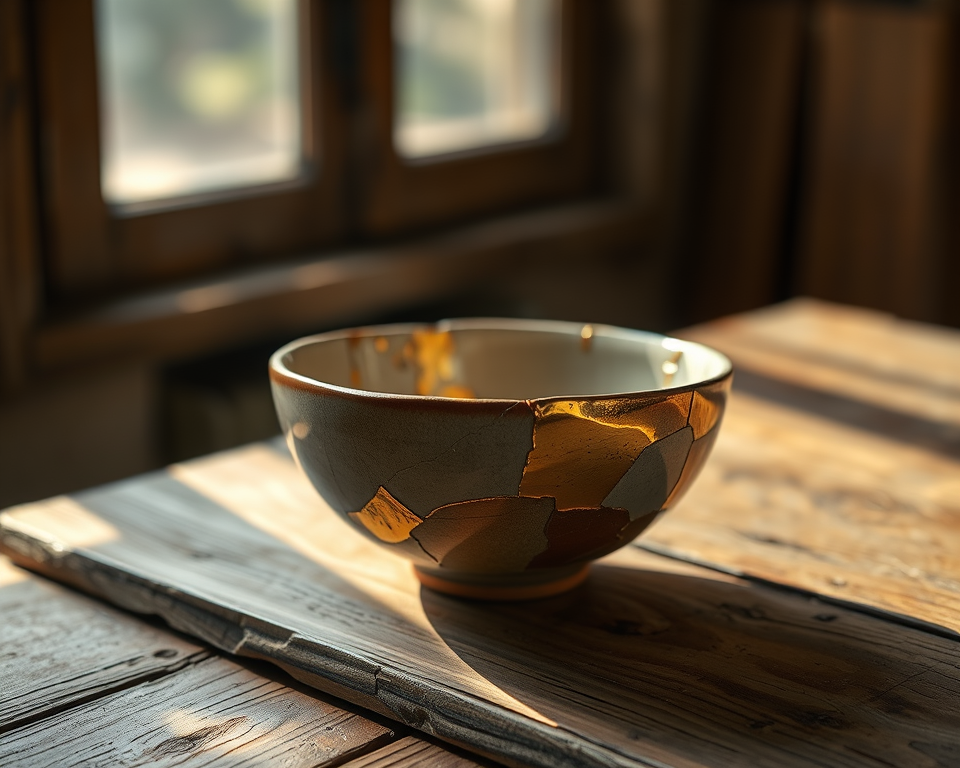
Hey there, friend! Have you ever looked at a broken piece of pottery and thought, “What a shame!”? Or maybe you’ve tossed out something that once had great meaning, simply because it was chipped or cracked. Well, I’m here to tell you there’s a delightful way to embrace these imperfections through a beautiful Japanese art form called kintsugi. Not only does it restore your pottery, but it also weaves in a narrative of resilience and beauty in brokenness.
Let’s explore this fascinating journey together!
Table of Contents
- 1 Key Takeaways
- 2 Understanding Kintsugi: History and Philosophy
- 3 Essential Materials for Kintsugi Repair
- 4 Step-by-Step Guide to Kintsugi Repair
- 5 Enhancing Your Kintsugi Skills
- 6 Frequently Asked Questions
- 6.1 What are the cultural roots of Kintsugi in Japan?
- 6.2 Can Kintsugi be applied to materials other than pottery?
- 6.3 How can I maintain the beauty of my repaired pottery?
- 6.4 Are there alternative materials for Kintsugi besides gold?
- 6.5 What are some common mistakes to avoid when starting Kintsugi?
- 6.6 How do I choose the right kind of glue for Kintsugi?
- 6.7 Can Kintsugi be used for high-value antiques, or is it better for modern pottery?
- 6.8 How can I find community resources for learning Kintsugi?
- 6.9 Is Kintsugi a sustainable practice?
- 6.10 What are some famous examples of Kintsugi artistry?
Key Takeaways
- Kintsugi is not just about fixing pottery; it’s an art that celebrates imperfections and tells stories.
- For your kintsugi repairs, essential supplies include sheet gold (or gold powder), high-quality adhesives like Epoxy 2-part clear, and some basic crafting tools.
- Cleaning and preparing your pottery is crucial for ensuring strong, durable repairs that will last.
- Don’t shy away from experimenting with kintsugi! Advanced techniques can enhance your skills and creativity.
- Joining kintsugi workshops or online communities can add value to your craft, providing support and inspiration.
Understanding Kintsugi: History and Philosophy
What is Kintsugi?
Now, let me paint you a picture. Kintsugi is an ancient Japanese practice that involves repairing broken pottery with lacquer mixed with powdered gold, silver, or platinum. Instead of hiding the cracks, kintsugi actually highlights them, creating a stunning visual effect that glorifies damage and restoration. It’s like saying, “Hey, this piece has been through some stuff, and look how beautiful it is now!”
This art form has deep roots in Japanese culture, echoing the philosophy of wabi-sabi, which celebrates the beauty in imperfection. To me, there’s something profoundly comforting in knowing that our flaws can become our most beautiful traits. Kintsugi teaches us to appreciate our experiences—both good and bad—and to wear our scars with pride.
The Emotional and Cultural Significance of Kintsugi
Kintsugi has a way of tugging on your heartstrings. Imagine sitting with a friend, gluing together broken shards of a favorite piece of pottery while reminiscing about memories attached to it. Each crack tells a story of what that piece has overcome, connecting past and present in a way that’s remarkably poignant.
It’s fascinating to think about how this art mirrors life. Just like pottery, we all face our own breaks and repairs. Kintsugi not only repairs pottery but also inspires us to accept our past mistakes and look forward with compassion and mindfulness. Finding beauty in imperfection isn’t just a mantra; it’s a lifestyle that can positively shift your perspective.
“In each vase of kintsugi, there exists an art that presents not just a repair, but a legacy of survival and beauty.”
Essential Materials for Kintsugi Repair
When it comes to kintsugi, preparation is everything. A well-equipped toolbox makes all the difference in ensuring your pottery gets the care it deserves. You’ll need a handful of essential supplies, and I’m here to guide you through them.
Gathering Your Kintsugi Toolkit
First things first, let’s talk tools. Here’s a table to help you keep track of must-have supplies for your kintsugi adventure:
| Material | Description | Price Range |
|---|---|---|
| Epoxy 2-part clear | A strong adhesive great for pottery repair. | $10 – $30 |
| Sheet gold or gold powder | For that shimmering finish. | $15 – $60 |
| Small paintbrushes | For applying adhesives and gold. | $5 – $15 |
| Utility knife | For clean cut edges on your pottery. | $3 – $10 |
| Rubbing alcohol | To clean surfaces before repair. | $2 – $5 |
To get started, look for high-quality brands like E6000 for adhesives or Kintsugi Co.’s Instrument Set. The kit includes tools and even a beginner’s guide for about $25, making it perfect for your first repair job!
How to Choose the Right Adhesives and Finish
Now that we’ve gathered your supplies, there’s something simple yet crucial to understand: not all adhesives are created equal. When choosing a glue, I recommend West System Epoxy. It’s strong and waterproof, ensuring your repaired pottery holds up over time.
Not only that, but don’t skip on the finish, either! A good topcoat, like Nail Polish Clear Coat, can help protect your golden seams. Plus, it’s a fun way to add your own touch if you’re feeling artsy.
Step-by-Step Guide to Kintsugi Repair
Are you ready to roll up your sleeves and jump into some pottery repair? Let’s get to the good stuff with a step-by-step process you can follow.
Preparing Your Pottery for Repair
The first and most important phase is cleaning your pieces. You don’t want dirt or old glaze interfering with your repairs, right? Here’s how to prep your pottery before diving into repairs:
- Inspect the Damage: Assess every piece carefully. If any edges are jagged, gently sand them down using sandpaper.
- Clean Surfaces: Use rubbing alcohol (it’s cheap and works wonders!) to wipe down all broken edges. Make sure they’re free from dust or oils.
- Dry Completely: Allow everything to air dry. This step is vital for ensuring a strong bond later.
“The foundation of a brilliant kintsugi piece lies not just in the materials, but in the care taken during preparation.”
Applying Kintsugi Techniques: Step by Step
Let’s get crafty! Time to apply those fancy techniques you’ve gathered. Follow these steps closely:
- Mix Your Epoxy: If you’re using a two-part epoxy, follow package directions carefully as ratios matter. It’s like baking—precision is key!
- Layering Adhesive: Use a small brush to apply a thin layer of glue to the edges of the pottery pieces, then join the shards. Hold them together for a few minutes to set.
- Adding Gold: Once it’s a little tacky but not dry (usually in about 20 minutes), sprinkle some gold powder or apply the leaf. Don’t worry about it being perfect; the beauty is in the messiness!
- Finishing Touches: Allow everything to cure as per the instructions on your epoxy package (often around 24 hours). Once dry, you can apply a clear coat to protect your masterpiece.
Ensuring Durability: Tips for Long-lasting Repairs
Now, let’s ensure your kintsugi art holds its own! Here are some tips for making those repairs last:
- Handle with Care: Once your piece is repaired, avoid putting it in the dishwasher or microwave. Keep it safe on a shelf or display stand.
- Regular Maintenance: Every now and then, give your piece a gentle wipe with a microfiber cloth. This helps keep the gold shining bright!
- Know When to Touch Up: If you ever notice chips or damaged areas again, don’t hesitate to redo a section. Kintsugi is forgiving—add more gold and keep the story going!
Enhancing Your Kintsugi Skills
So, you’ve repaired your first piece and you’re feeling the flow. What’s next? It’s time to enhance those skills and take your kintsugi craft to new heights.
Exploring Advanced Kintsugi Techniques
How about some mixed media? This is where the fun really begins. By adding different materials such as colored lacquers or even different metals, you can create stunning unique pieces that tell an even richer story.
For instance, consider using metallic acrylic paint to create a unique twist along the repairs, or experiment with shades of lacquer for an artistic flair. You might say, “Well, what’s next?” as you consider how you want to express yourself creatively.
Finding Community and Workshops for Kintsugi
If you’re like me, you’ll find immense value in learning from others. There’s a vibrant community out there, eager to share what they love about kintsugi. Whether you join local art classes or explore online resources, getting involved can elevate your skills.
A quick search on platforms like Meetup will reveal local kintsugi workshops—it’s a fantastic way to meet like-minded souls! You might even stumble upon Kintsugi Made, a group offering both beginner and advanced classes for about $50.
Engaging with fellow artists can open doors to new techniques, as well as support and inspiration for your journey. Plus, who doesn’t want to bond over a shared love for pottery and gold?
“Creating kintsugi is like life—filled with connection, creativity, and the beauty of shared experiences.”
And that sums up your journey through the art of kintsugi! I can’t wait to see what beautiful stories you’ll bring to life with your repairs. Remember, it’s not just about fixing what’s broken; it’s about celebrating each piece’s journey. Now, gather your supplies and start your own beautiful adventure!
Frequently Asked Questions
What are the cultural roots of Kintsugi in Japan?
Kintsugi has deep cultural roots in Japan, originating in the 15th century. It reflects the philosophy of wabi-sabi, which appreciates beauty in imperfection. This technique not only repairs but also transforms broken pottery into unique art pieces, embodying a rich narrative about resilience and acceptance of flaws.
Can Kintsugi be applied to materials other than pottery?
Yes, Kintsugi techniques can be applied to various materials beyond pottery, including wood, glass, and metal. This adaptability allows artists to embrace imperfections in different mediums, encouraging a broader application of the philosophy and aesthetic values associated with Kintsugi.
How can I maintain the beauty of my repaired pottery?
To maintain repaired pottery, avoid exposure to extreme temperatures and direct sunlight, which can damage the adhesive and finishes. Hand wash the items gently without abrasive sponges, and consider applying a food-safe sealant if the pottery will be used for food or beverages.
Are there alternative materials for Kintsugi besides gold?
Yes, while traditional Kintsugi often uses gold lacquer, contemporary artists may use silver, copper, or even colored resin to enhance the aesthetic of repairs. Experimenting with these alternatives can lead to unique and personalized creations that still embody the spirit of Kintsugi.
What are some common mistakes to avoid when starting Kintsugi?
Common mistakes in Kintsugi include using the wrong type of adhesive, misaligning pieces during assembly, and rushing the drying process. Taking time for careful alignment and allowing sufficient drying time will help ensure strong and visually appealing repairs.
How do I choose the right kind of glue for Kintsugi?
Choosing the right glue involves considering the type of pottery and the desired durability. Epoxy glue is a popular choice due to its strength and water resistance, but for delicate ceramics, a flexible adhesive may be more appropriate. Always aim for an adhesive suitable for porous materials to ensure optimal bonding.
Can Kintsugi be used for high-value antiques, or is it better for modern pottery?
Kintsugi can be beneficial for both high-value antiques and modern pottery. However, it’s important to consult with an expert before repairing valuable antiques, as improper techniques or materials might affect their value. Proper restoration techniques will allow the piece to maintain its integrity while embracing its history.
How can I find community resources for learning Kintsugi?
You can find community resources for Kintsugi through local art centers, pottery studios, or online platforms dedicated to creative arts. Websites like Meetup often list workshops and events, while local art groups or classes can provide hands-on learning experiences with fellow enthusiasts.
Is Kintsugi a sustainable practice?
Kintsugi promotes sustainability by advocating for the repair and repurposing of broken items instead of disposal. This practice aligns with the modern shift towards sustainability, as it encourages mindfulness in consumption and values the longevity of crafted items.
What are some famous examples of Kintsugi artistry?
Famous Kintsugi pieces include those created by contemporary artisans who have redefined the craft, such as the work of Japan’s Urushi artists. Exhibitions like The Beauty of Imperfection highlight Kintsugi art, showcasing how artists blend traditional techniques with modern expressions to create stunning pieces that narrate their stories.
